
UKAS Legionella Water Testing
UKAS-accredited legionella water testing examines samples for legionella bacteria in commercial, industrial and domestic water systems. Blue Fish Water Management provides clear laboratory results and practical compliance guidance to support informed risk control and remedial decisions.
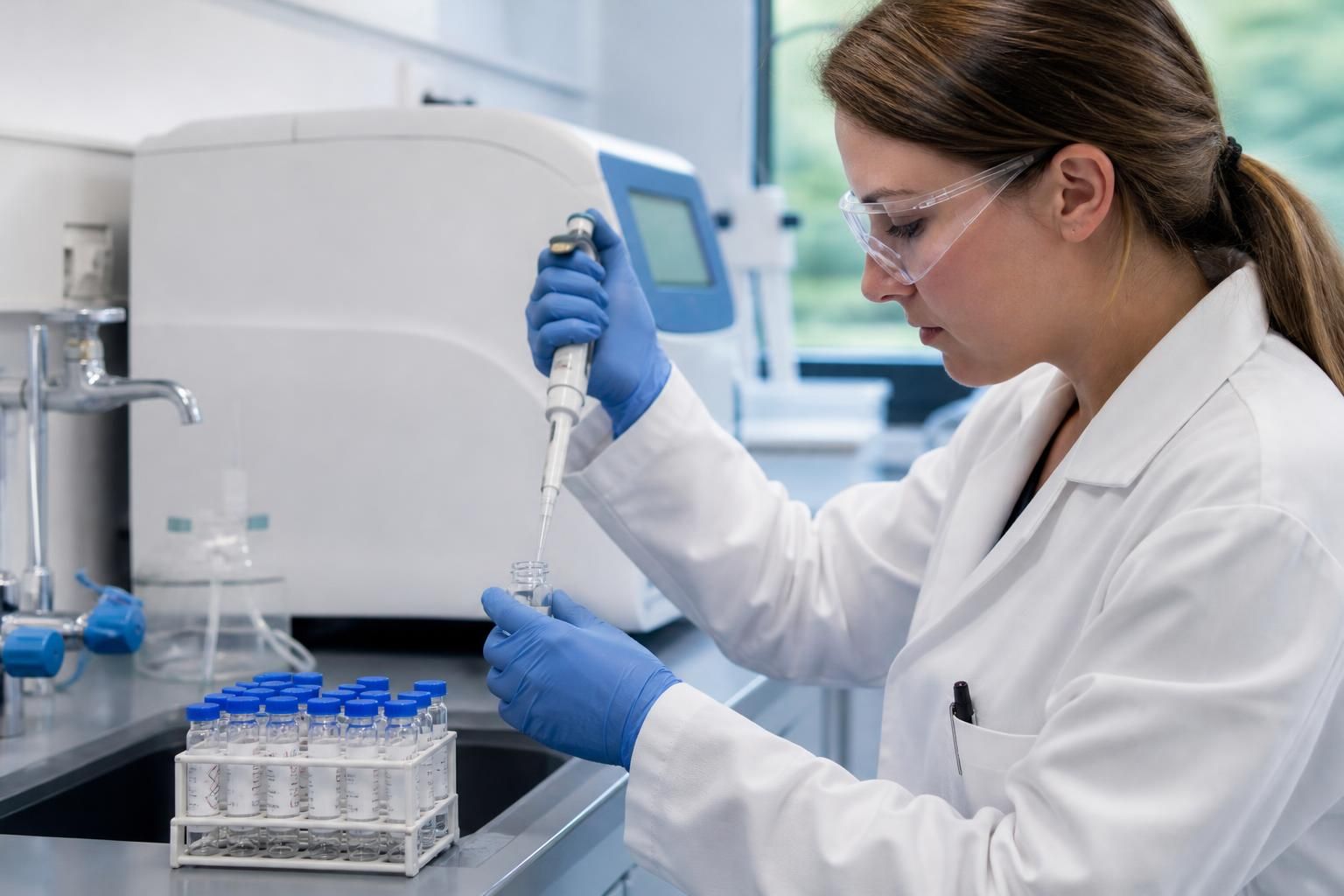
Choosing the Right Legionella Water Testing Approach
Different legionella water testing approaches suit varied risk questions: targeted sampling investigates a specific concern, routine programmes track defined systems, and broader surveys establish a baseline. Choice depends on system complexity, assessment findings, sampling locations and the compliance decision required.
Targeted Investigative Testing
Use targeted sampling when a risk assessment, inspection or unusual result identifies a specific concern. Samples are selected from relevant outlets or parts of the system to help clarify where further control measures may be needed.
Routine Compliance Sampling
Routine testing follows a defined sampling schedule for systems requiring ongoing monitoring. It provides comparable results over time and supports documented legionella control arrangements.
Baseline System Survey
A broader sampling programme can establish the initial microbiological condition of a complex, newly assessed or poorly documented water system. The results help inform future sampling locations and control priorities.
Post-Remedial Verification
Testing after cleaning, disinfection or other remedial work checks whether the intervention has addressed the identified microbiological concern. Results should be considered alongside the relevant risk assessment and control records.
Trend-Focused Monitoring
Where repeated results are available, planned testing can help identify changes in legionella levels across selected parts of a system. This approach supports review of control performance and helps determine whether further investigation is appropriate.
What UKAS Legionella Water Testing Includes
A complete service covers sample identification, documented handling, laboratory analysis, result interpretation and records suitable for UK compliance review. Blue Fish Water Management can relate findings to control measures where results indicate further investigation or remedial work.
Risk-led sampling scope
The testing scope can be aligned with the water system, building use and relevant legionella risks, helping ensure that sampling addresses the parts of the system requiring evidence.
Representative water samples
Samples are taken from relevant water outlets and system locations so laboratory findings can be considered in relation to the wider water installation rather than viewed in isolation.
UKAS-accredited analysis
Samples are examined through a UKAS-accredited laboratory process, providing recognised technical evidence for organisations reviewing legionella control arrangements.
Results for ongoing monitoring
Individual results can be considered alongside previous testing records to identify changes, recurring findings or areas that warrant closer review within the monitoring programme.
Compliance-ready evidence
Testing outputs provide a structured record for water safety files, internal checks, compliance audits and discussions about any further investigation required.
Which Legionella Testing Support Does Your System Need?
What does UKAS legionella water testing reveal about system risk?
Testing frequency and scope should reflect the risk assessment, system design, occupancy, usage and control history. Responsible persons should investigate adverse results, review controls and document decisions for ongoing compliance.
Read moreWhich water systems need UKAS legionella water testing?
Testing may suit hot and cold water services, storage tanks, showers, spa pools and cooling systems, particularly where aerosol generation, vulnerable occupants or control concerns increase identified legionella exposure risk.
Read moreWhat happens during a UKAS legionella water testing process?
Samples are collected using documented methods, labelled, preserved and transferred under traceable controls. A laboratory analyses them, with findings reviewed against relevant guidance, existing system records and control measures.
Read moreWhat records should accompany UKAS legionella water testing?
Useful records include sampling dates, locations, sample types, chain-of-custody details, laboratory reports, temperature or disinfectant readings, risk assessments, corrective actions and review decisions, retained for audit and compliance review purposes.
Read moreWhen is repeat legionella water testing appropriate?
Repeat testing is appropriate after elevated results, remedial work, changes to plant or occupancy, suspected control failure, or as specified by the risk assessment and monitoring programme for the system.
Read moreQuestions to Ask Before Commissioning Legionella Water Testing
Before commissioning UKAS legionella water testing, clarify what the investigation is intended to establish, which outlets or systems are included, and how the findings will inform your existing water safety arrangements. The scope should reflect the risk profile of the premises rather than relying on a standard set of samples.
Ask who will carry out the work, how competence is demonstrated, what evidence will be provided, how results and any limitations will be reported, and which timescales apply at each stage. Also confirm who is responsible for reviewing the findings, authorising remedial action and deciding whether follow-up testing or continued monitoring is required.
Confirm the sampling scope
Ask for the systems, storage vessels, outlets and sample types to be listed before work begins. Clarify whether the investigation covers routine monitoring, a specific concern, post-remedial verification or an assessment of changing site conditions, and ask why each sample location has been selected.
Once the scope is agreed, provide the relevant risk assessment, system details and recent control records so the sampling plan reflects the actual water system. Confirm how the laboratory report will be reviewed and who will coordinate any actions arising from the findings.
Results should be considered alongside temperature records, control measures and site conditions rather than in isolation. Where the findings warrant further investigation, the outcome should be recorded, responsibilities assigned and any follow-up testing or remedial work incorporated into the water safety plan.
Discuss Your Legionella Water Testing Requirements
Discuss your proposed sampling scope with Blue Fish Water Management to clarify the appropriate UKAS legionella water testing approach, required documentation and how results can support decisions within your existing water safety arrangements.