
Who should oversee sampling with a legionella water testing kit?
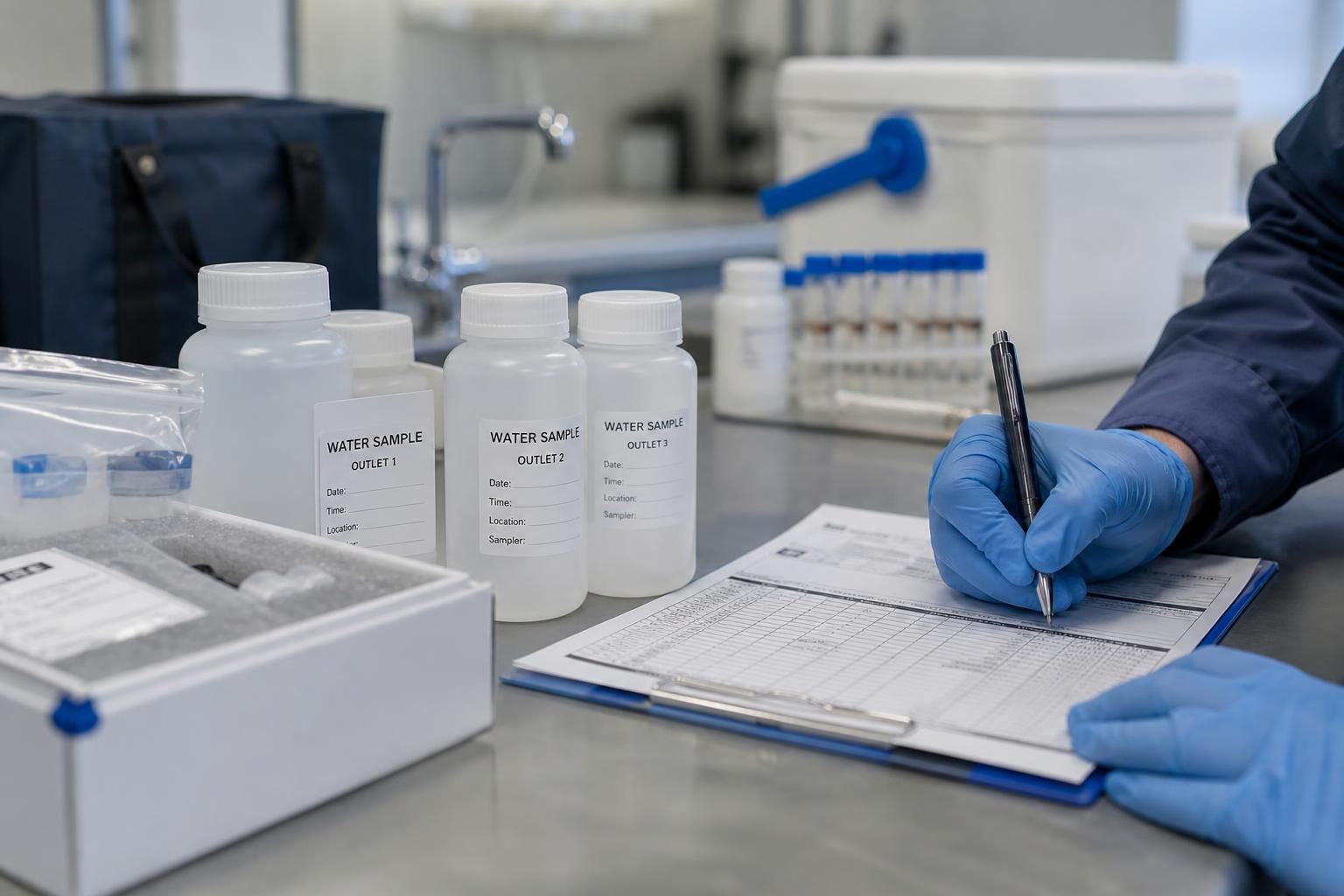
Sampling with a legionella water testing kit should be overseen by the person who has formal responsibility for the building’s water safety arrangements, usually the duty holder or a delegated responsible person. The individual collecting or supervising samples must have demonstrable competence for the particular water system, while the duty holder remains accountable for making sure the process is properly controlled and acted upon.
The duty holder sets the level of oversight. In a workplace, rented property, care setting or other non-domestic premises, this may be an employer, landlord, managing agent, facilities operator or organisation responsible for the building. They do not necessarily need to take samples personally. Their role is to ensure that suitable arrangements, resources and competent people are in place, and that results lead to appropriate decisions rather than being filed without review.
The responsible person manages the practical process. This person coordinates the sampling schedule, identifies the outlets and system sections to be sampled, checks that the selected locations represent the risk, and ensures that samples are handled according to the agreed method. They should understand the building’s water services, including storage tanks, calorifiers, secondary circulation, outlets, little-used parts of the system and any areas where temperature or flow may be atypical.
In a larger organisation, oversight may be shared between a facilities manager, water hygiene lead, estates team and an appointed specialist. The division of duties should be explicit. A facilities operative might collect a sample, an estates manager might authorise the programme, and a specialist laboratory or consultant might provide technical interpretation. Each person should know which decisions they can make and which must be escalated.
The sampler needs task-specific competence. Familiarity with a testing kit alone is not enough. The person should understand how to select a meaningful sampling point, avoid altering the sample through poor handling, use the correct container and preservative where required, maintain suitable conditions during transport, and complete the laboratory submission information accurately. They should also recognise when a sampling point is inaccessible, unusually used, recently disinfected or otherwise unsuitable for comparison with earlier samples.
Sampling should not be delegated solely because someone is available to carry it out. A person may be competent to take routine samples but not to design the sampling programme, assess an unusual result or decide whether remedial work is required. Those wider judgements should sit with someone who understands water-system risk and the organisation’s control scheme. Where the system is complex or the consequences of failure are significant, independent advice from a suitably experienced water hygiene professional is appropriate.
Oversight is particularly important in higher-risk settings. Hospitals, care homes, sheltered housing, hotels, leisure facilities and buildings serving people who may be more vulnerable to infection may require a more formal governance structure. The responsible person should involve relevant estates, infection prevention, occupational safety or clinical personnel where applicable. The sampling plan should reflect the people at risk, the way the building is used and the consequences of a positive or inconclusive result.
A sound oversight arrangement normally includes:
- a named duty holder and responsible person;
- a written allocation of sampling and review duties;
- a sampling plan linked to the system risk assessment;
- clear instructions for sample selection, collection, labelling and transport;
- secure retention of sample records and laboratory reports;
- a defined route for escalating unusual, positive or unreliable findings; and
- evidence that corrective actions have been assigned, completed and checked.
Results should be reviewed by someone able to interpret them in context. A laboratory finding is not, by itself, a complete assessment of the building’s risk. The reviewer should consider the sampling point, sample history, system temperatures, water usage, recent maintenance, control measures and any changes to occupancy or operation. A single result should not automatically be treated as proof that the entire system is safe or unsafe without considering these factors.
If a result requires action, the responsible person should ensure that the response follows the existing water safety plan. This may involve checking the sampling process, carrying out further investigation, reviewing control measures, obtaining specialist advice or arranging remedial work. The person overseeing sampling should also confirm that follow-up samples, where required, are taken from appropriate locations and that the outcome is documented.
External specialists can oversee some or all of this work, but appointing a contractor does not remove the duty holder’s responsibility. The organisation should check the contractor’s relevant experience, competence, insurance, reporting arrangements and understanding of the site. It should also retain enough knowledge internally to challenge unclear advice and verify that recommendations have been implemented.
For a small premises, one suitably trained person may coordinate the programme, collect samples and review the paperwork, provided they have the necessary competence and access to appropriate technical support. For a complex or high-risk premises, separating operational sampling from independent review can provide stronger assurance. The correct arrangement is therefore determined by the building, its water systems, its occupants and the level of risk—not simply by who owns the testing kit.
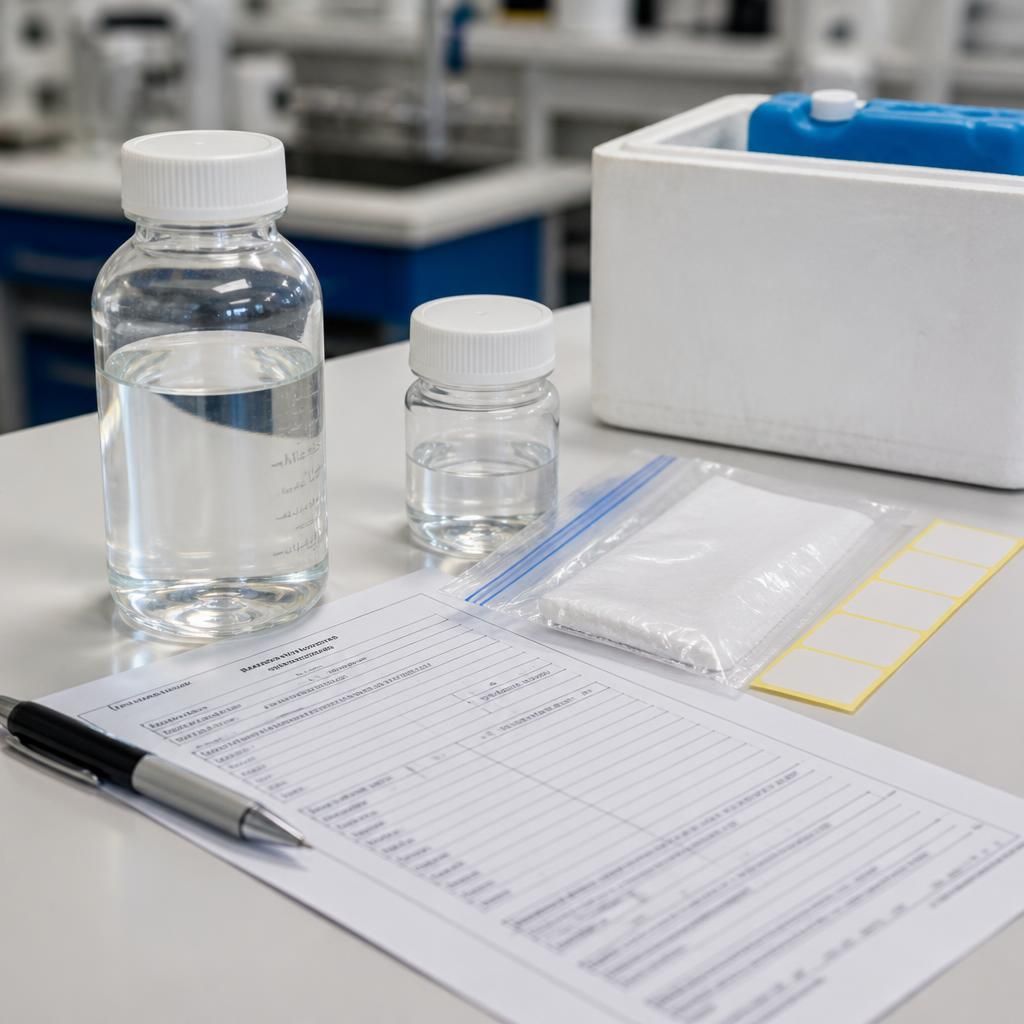
The person overseeing sampling should be selected for demonstrated competence, not simply their job title or possession of a legionella water testing kit. Evidence may include relevant water hygiene training, familiarity with the site’s water systems, experience with the sampling method and a record of having followed the organisation’s procedure correctly.
Competence should also be kept under review. Additional instruction may be needed when the water system changes, the sampling method is amended, unusual results are identified or the person has not carried out sampling for some time. Keeping training records and reviewing the sampler’s work helps the duty holder show that sampling is being managed by someone suitably prepared for the specific task.
Discuss your legionella sampling arrangements
If you need to review who oversees legionella sampling at your premises, discuss your arrangements with Blue Fish Water Management Ltd. Their water hygiene specialists can help you assess whether your sampling responsibilities, procedures and follow-up processes are suitably defined.