
How do you choose a legionella testing kit for your water system?
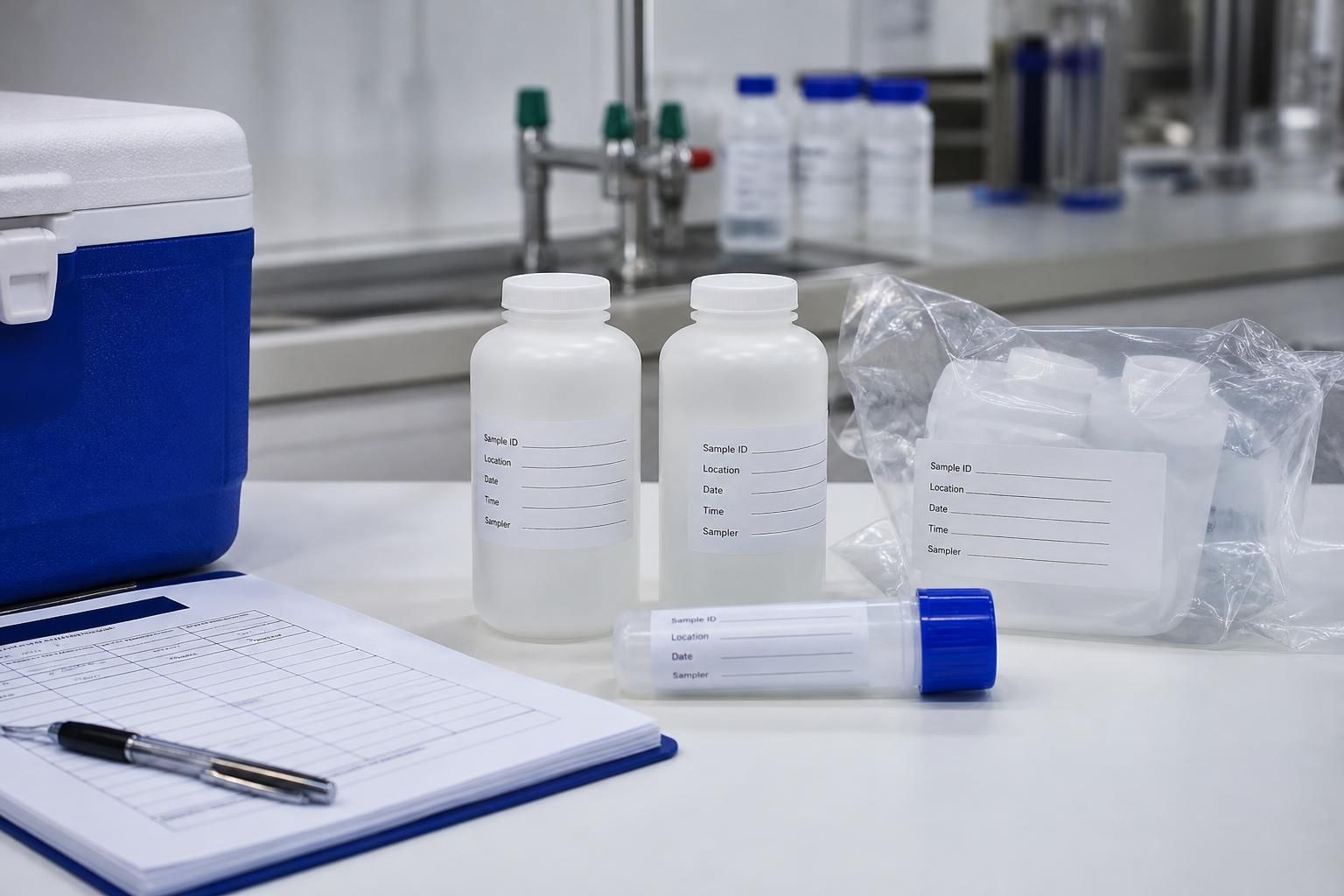
The right legionella testing kit is the one that matches the water system, the sample being collected, the testing method required and the decision the result needs to support. Selection should therefore begin with the purpose of the test rather than the kit itself: routine monitoring, investigation of an elevated result, verification after remedial work and formal laboratory analysis may require different specifications.
Start with the water system and sampling point. Identify whether the sample will come from a hot or cold water service, storage vessel, calorifier, outlet, spa pool, process system or another water environment. The kit must be suitable for the type of sample, container and collection point involved. A kit designed for one application may not provide the correct bottle, preservative, neutralising agent or instructions for another.
Consider the condition of the system before choosing the kit. Water containing disinfectant residuals, sediment, scale or other contaminants can affect the sample or the test method. The sampling procedure should explain how to avoid contamination, whether the outlet needs preparation and how to record the sample location, temperature and other relevant observations. If the kit does not provide sufficiently clear instructions for the system being assessed, it is not an appropriate choice.
Define what result is needed. Some products are intended as screening tools, while others support analysis by a competent laboratory. These are not interchangeable. A screening result may indicate that further investigation is warranted, but it may not provide the same level of identification, quantification or evidential value as a laboratory method. Before purchase, establish whether the result is being used for an initial indication, trend monitoring, confirmation of a suspected problem or documentation within a formal water safety management process.
Check exactly what the method detects. A test may target Legionella bacteria generally, a particular group or species, viable organisms, genetic material or an associated indicator. The method's detection range, reporting units and interpretation rules should be clear. A result cannot be assessed properly if the kit does not state its detection capability or if its reporting format does not align with the action levels and procedures used by the organisation.
Assess the laboratory and reporting arrangements. For kits that involve sending samples away, confirm:
- which laboratory will carry out the analysis;
- which testing method will be used;
- how samples are identified and tracked;
- what sample volume and container requirements apply;
- how results are reported and explained;
- what happens if a sample is rejected or arrives outside the required conditions; and
- whether the report contains enough information for the responsible person to review and act on the finding.
The kit should support reliable sample traceability. Labels, sample forms and records should link each bottle to the building, system, outlet, date, sampler and reason for sampling. This is particularly important where several outlets or properties are being assessed. An untraceable sample has limited value, even if the analytical method itself is suitable.
Review collection, storage and transport requirements. A suitable kit will state how the sample is to be collected and whether it requires a neutralising agent or another preparation step. It should also explain the permitted conditions for storage and transport, packaging requirements and any restrictions on the time between collection and analysis. These details are part of the test process, not optional administrative guidance. Poor handling can compromise the sample and make the result difficult to interpret.
Check the kit's expiry date and storage conditions before use. Do not assume that a sealed container remains suitable indefinitely or that all components can be stored in the same environment. Where a kit contains reagents, test strips or other materials that can deteriorate, the instructions should identify the relevant controls and validity checks.
Consider quality controls and limitations. The instructions should identify internal controls, blank samples, calibration requirements or other checks relevant to the method. They should also state known limitations, including substances or conditions that may interfere with the result. If the supplier does not explain how an invalid, inconclusive or unexpected result should be handled, the kit may be unsuitable for compliance-related work.
Do not select a kit solely because it is described as rapid, simple or suitable for on-site use. Convenience does not establish analytical validity. Similarly, a negative result from a single sample does not demonstrate that an entire water system is free from risk. Legionella control depends on the condition and operation of the system, including temperature management, stagnation, cleanliness, distribution and other factors that a test kit cannot assess by itself.
Match the kit to the user's competence. Sampling requires more than placing water in a bottle. The person carrying it out should understand the sampling plan, the relevant outlets, contamination controls, documentation and the consequences of an abnormal result. Where the system is complex, the sample is being collected as part of an investigation or the result may lead to remedial action, use a suitably competent water hygiene professional or laboratory service rather than relying on an unverified self-test.
The selected method should fit the organisation's existing water safety plan. Review whether the result can be compared with previous findings, whether the sampling locations are consistent and whether the report will be accepted by the people responsible for managing the premises. A kit that produces an isolated result without supporting records may not help with trend analysis or corrective action.
For UK premises, the choice should also be consistent with the control approach set out in relevant guidance, including the principles associated with HSE's legionella guidance. Testing is one part of control, not a replacement for a legionella risk assessment, written scheme, monitoring regime or follow-up investigation. If a result indicates a potential problem, the responsible person should follow the site's documented escalation and remedial procedures.
In practice, compare candidate kits against a written checklist covering system compatibility, sample type, detection capability, method, laboratory arrangements, traceability, transport, quality controls, reporting and user competence. A professional water hygiene adviser can help determine whether a screening kit is appropriate or whether samples should go directly through a structured laboratory testing service. The best choice is the method that produces a meaningful, defensible result for the specific water safety decision being made.
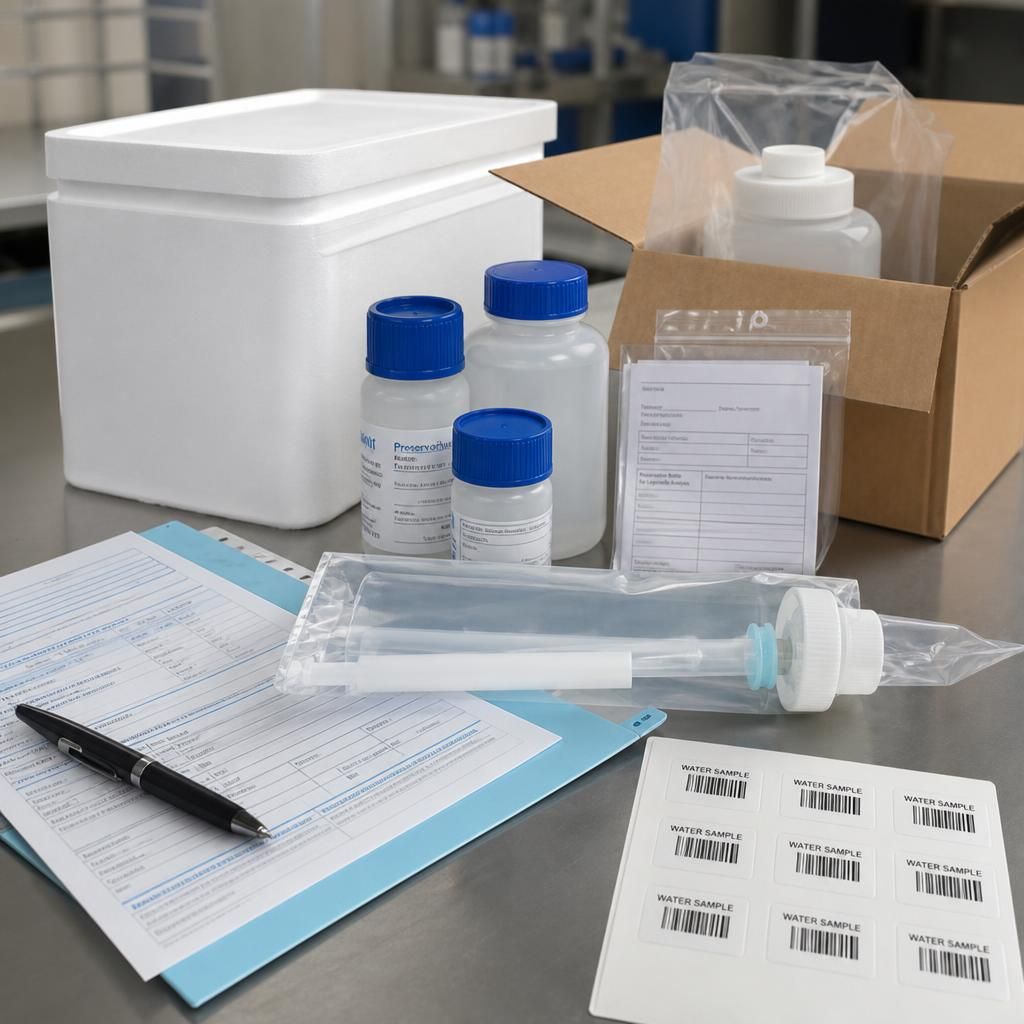
Choose a legionella testing kit by considering the complete testing process, not just the purchase price of the kit. The total requirement may include sample containers, preservatives, protective packaging, laboratory analysis, courier arrangements, replacement components and staff training.
Before approving a kit, map out how each sample will move from collection to reporting. Confirm which items are included, which must be purchased separately and whether any components have a limited shelf life. For kits that require laboratory analysis, establish the laboratory and transport costs in advance and check whether repeat samples would require additional materials or charges.
This approach also helps facilities teams compare apparently similar products fairly. A low-cost kit may be unsuitable if it requires separate equipment, has restrictive transport conditions or produces a result that cannot be used within the organisation’s existing testing process. The appropriate choice is the one whose complete testing pathway is practical, controlled and proportionate to the water safety decision it is intended to support.
Discuss your legionella testing requirements
Discuss your legionella testing requirements with Blue Fish Water Management Ltd to identify a suitable testing approach for your premises and water safety arrangements. Their team can advise whether a testing kit or a structured laboratory service is appropriate for your needs.