
When is a drinking water filter unsuitable without additional treatment?
A drinking water filter is unsuitable without additional treatment when testing identifies microbiological contamination, legionella risk, or chemical contaminants that the selected filter cannot reliably remove. Filtration may reduce particular particles or substances, but it does not necessarily disinfect water, so treatment and ongoing monitoring may be required to make the supply safe and compliant.
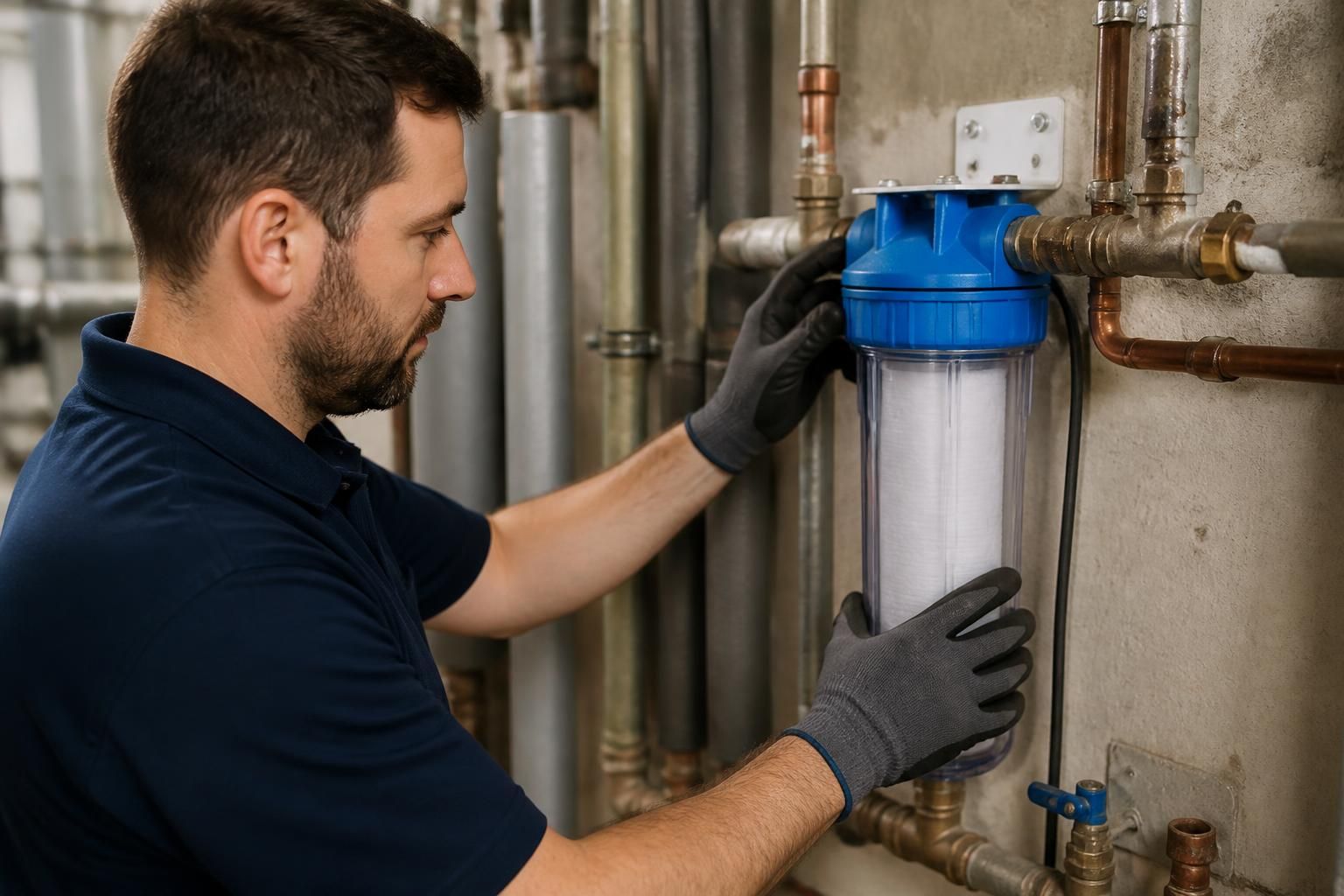
A drinking water filter should not be used as the sole control where the water source, distribution system or intended use presents hazards beyond the filter’s validated capability. Suitability depends on the contaminant, the filter’s performance specification, the condition of the installation and the controls needed to maintain water quality after treatment.
The filter’s stated function must match the identified risk. Different filtration methods are designed for different purposes. A sediment filter may retain visible particles, rust or suspended matter, while another type may target a particular chemical or improve taste and odour. Neither description, by itself, confirms that the unit can control bacteria, viruses, protozoa, dissolved substances or contamination introduced after filtration. A decision should therefore be based on test results and documented performance information rather than the general label of “water filter”.
A filter is also unsuitable without further treatment where the incoming supply is not demonstrably suitable for drinking. This may apply to water from a private source, a storage arrangement with uncertain control, or a supply affected by an incident or change in condition. Water quality can vary over time, so a single satisfactory result does not necessarily establish ongoing control where the source is vulnerable. Sampling should consider the source, the point of use and any parts of the system where water can stagnate or deteriorate.
Storage and distribution conditions are often as important as the filter itself. Tanks, long pipe runs, little-used outlets, dead legs and poorly controlled temperatures can affect water quality after water has passed through a treatment device. Internal surfaces and filter housings can also collect deposits or support microbial growth if they are not correctly selected, maintained and replaced. In these circumstances, fitting a filter without addressing the wider system may leave the underlying hazard in place or create an additional maintenance risk.
Additional treatment may be needed when testing or a risk assessment identifies a hazard that filtration alone cannot reliably manage. Depending on the finding, controls could include disinfection, temperature management, cleaning and disinfection of tanks or pipework, removal of redundant sections, correction of flow and storage problems, or a treatment process designed for a specific chemical parameter. The appropriate measure must be selected for the hazard and applied in a way that does not introduce a new water quality problem.
Filter maintenance is part of the control, not an optional extra. A cartridge that is beyond its service life can become blocked, reduce flow or provide a contaminated surface. Changes in pressure, flow, taste, odour or appearance should be investigated rather than treated as proof that the filter is working. Maintenance arrangements should define the inspection method, replacement criteria, cleaning requirements, records and responsibility for action. Where a filter is installed at a point of use, the outlets still require appropriate hygiene controls.
It is particularly important to avoid relying on a filter as a substitute for investigation where there has been a failed sample, a suspected contamination event, illness associated with the supply, or a change to the plumbing or storage system. The correct response is to establish what has changed, confirm the result through suitable testing where necessary, assess exposure and implement proportionate corrective measures. Simply adding a finer filter may reduce an indicator without resolving the source of the problem.
For commercial premises, the decision should be recorded within the water safety arrangements. The assessment should identify the source and users, describe the treatment objective, confirm the selected equipment’s limitations, and set out monitoring and corrective actions. Drinking water quality testing can establish relevant parameters before a system is specified, while follow-up sampling can help verify that the chosen controls remain effective. Where legionella is a concern, the assessment must consider the whole water system and its management rather than treating a drinking water filter as a standalone safeguard.
Professional advice is useful where the test result is unclear, several hazards are present, or the proposed filter is being used in a larger commercial water system. Blue Fish Water Management Ltd can support businesses with water testing, legionella risk assessment, compliance audits, system monitoring and advice on remedial requirements. The objective is to select filtration or treatment based on evidence, then manage the system so that the control remains appropriate over its operating life.
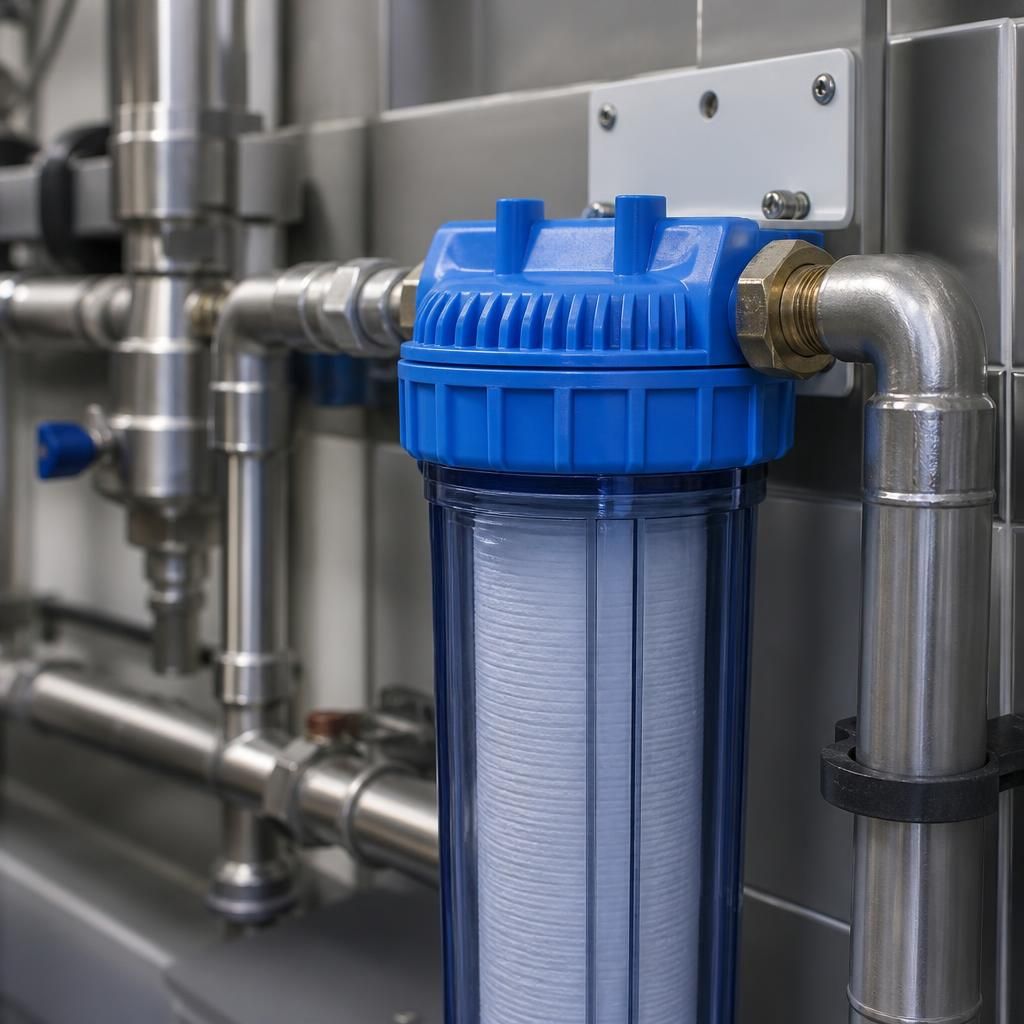
A filter can be unsuitable without additional treatment if it removes a disinfectant residual that helps protect the water downstream. For example, activated carbon filtration may reduce chlorine, improving taste and odour but also removing part of the supply’s ongoing microbial protection. This matters where water then passes through storage tanks, long pipework or infrequently used outlets.
Before installing this type of filter, the assessment should consider whether another control is needed to manage the changed water quality. This may include tighter hygiene controls, targeted microbiological testing, treatment of the downstream system or a different filtration method. The decision should be based on the intended use, source characteristics and verified water quality rather than taste improvement alone.
Discuss Your Drinking Water Treatment Requirements
Discuss your proposed drinking water filter with Blue Fish Water Management Ltd to determine whether testing or additional treatment is needed for the intended commercial use. Contact the team for practical advice on selecting and managing an appropriate water safety control.