
When is disinfected water hygiene appropriate for a commercial water system?
Disinfected water hygiene is appropriate for a commercial water system when a risk assessment, water testing or operational evidence indicates microbiological contamination, suspected or confirmed legionella, or a significant loss of control. The treatment should be selected and authorised by a competent person, with the method matched to the system, the cause of contamination and the required remedial outcome.
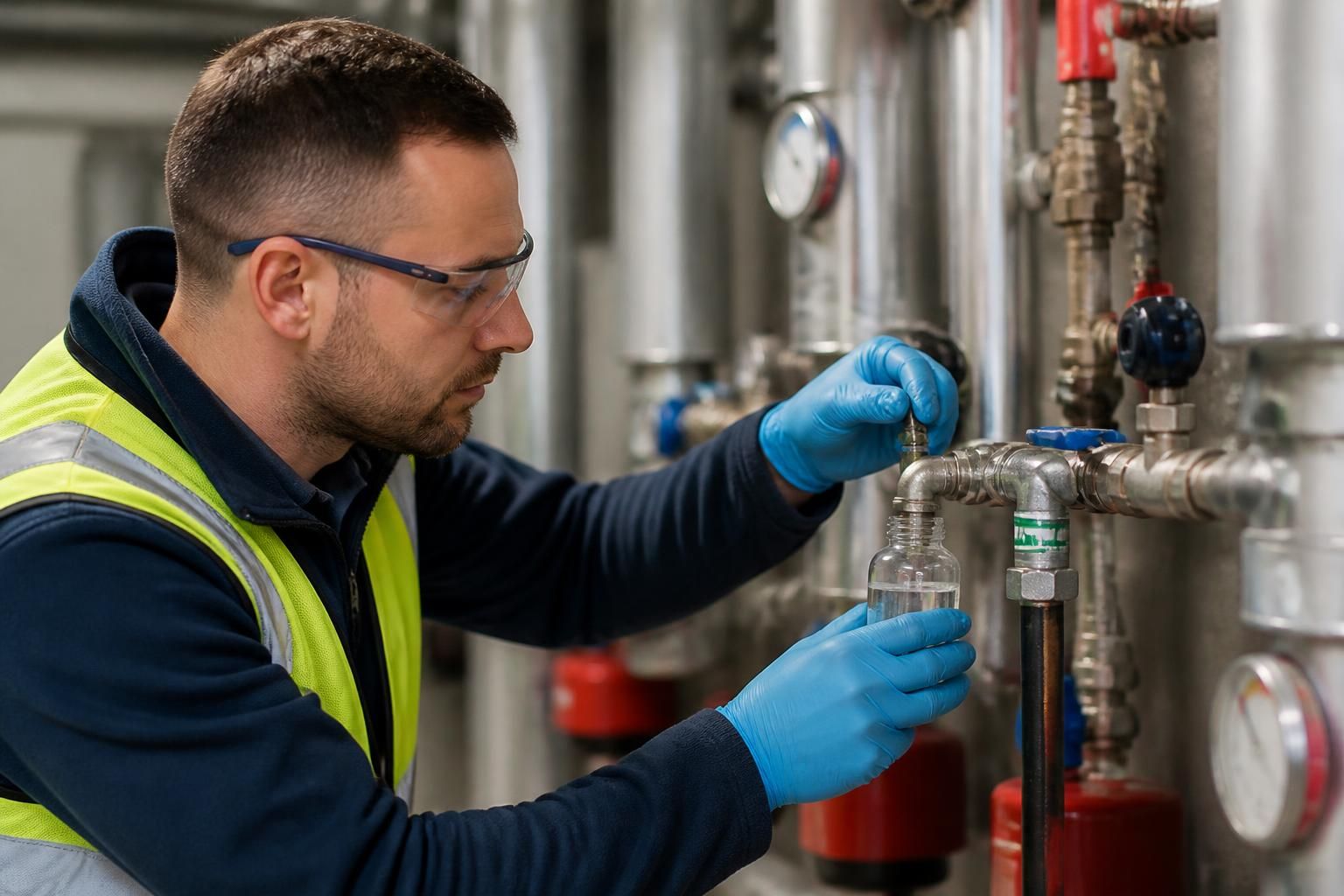
Disinfected water hygiene is appropriate where the available evidence shows that ordinary control measures are not sufficient to manage a microbiological risk, and a planned intervention is needed to restore the system to a controlled condition. The decision should be proportionate to the findings rather than based on a routine timetable or a single result considered in isolation.
Situations that may justify treatment include:
- Legionella associated with illness: a suspected or confirmed case linked to the premises requires prompt review of the water system and may require disinfection as part of the control response.
- Significant or repeated microbiological findings: results that indicate persistent contamination, particularly when supported by poor temperature control, stagnation or inadequate turnover, can justify remedial treatment.
- Contamination following an incident: ingress of contaminated water, loss of pressure, flooding, failed storage arrangements or other events that compromise water quality may require disinfection before normal use resumes.
- Extended stagnation or closure: systems that have remained unused for a prolonged period can develop conditions that support microbial growth. Recommissioning should be based on a documented assessment of the system and its condition.
- Major modification or remedial work: alterations to pipework, storage vessels, calorifiers or outlet arrangements can introduce contamination or disturb established control. Disinfection may be necessary before the modified system is returned to service.
- Persistent loss of control: where cleaning, temperature management, flushing or maintenance have not corrected the underlying problem, a more extensive intervention may be appropriate.
The level of risk is also influenced by how the water is used. Showers, spray taps, spa facilities and other outlets that generate aerosols can create a greater inhalation risk than outlets with no significant aerosol production. The vulnerability of people using the premises is relevant too, particularly in healthcare, care, residential or other settings where occupants may be more susceptible to infection. These factors can affect whether local treatment, wider system disinfection or another control measure is proportionate.
Disinfection should not be used to conceal an unresolved system defect. A contaminated storage tank, redundant pipework, poorly balanced secondary return, low hot-water temperature or inadequate flushing regime can cause the problem to recur after treatment. The underlying cause should therefore be identified alongside the decision to disinfect. In some cases, removing a dead leg, repairing a tank, improving circulation or correcting operational controls is more important than treating the whole system.
Nor is a positive sample automatically a reason to disinfect every part of a building. Interpretation should consider the organism detected, the concentration and distribution of findings, the sampling location, the reliability of the sample, recent operational events and the results of the current risk assessment. A competent person may conclude that targeted remedial action and enhanced monitoring are sufficient, or that wider disinfection is necessary.
Where treatment is selected, the method must be compatible with the system and the intended outcome. Common approaches include thermal disinfection and chemical disinfection, but the choice depends on the design, materials, stored water arrangements, temperature limitations, access, discharge arrangements and the nature of the contamination. Chemical compatibility and risks to building occupants, maintenance staff and the environment must be addressed before work begins. Treatment should not proceed on the assumption that one method suits every commercial installation.
A sound decision normally draws on the current legionella risk assessment, water test results, asset and schematic information, temperature and operational records, maintenance history and details of any recent works or incidents. It should also define the part of the system to be treated, the reason for intervention and the conditions that must be met before the system is placed back into use.
For commercial premises, the dutyholder or responsible person should ensure that the decision is authorised by someone with suitable competence and that affected users are protected during the work. Disinfection is most effective as one part of a wider control programme: it should be followed by correction of the cause, appropriate verification and continued monitoring so that the system remains under control after reinstatement.
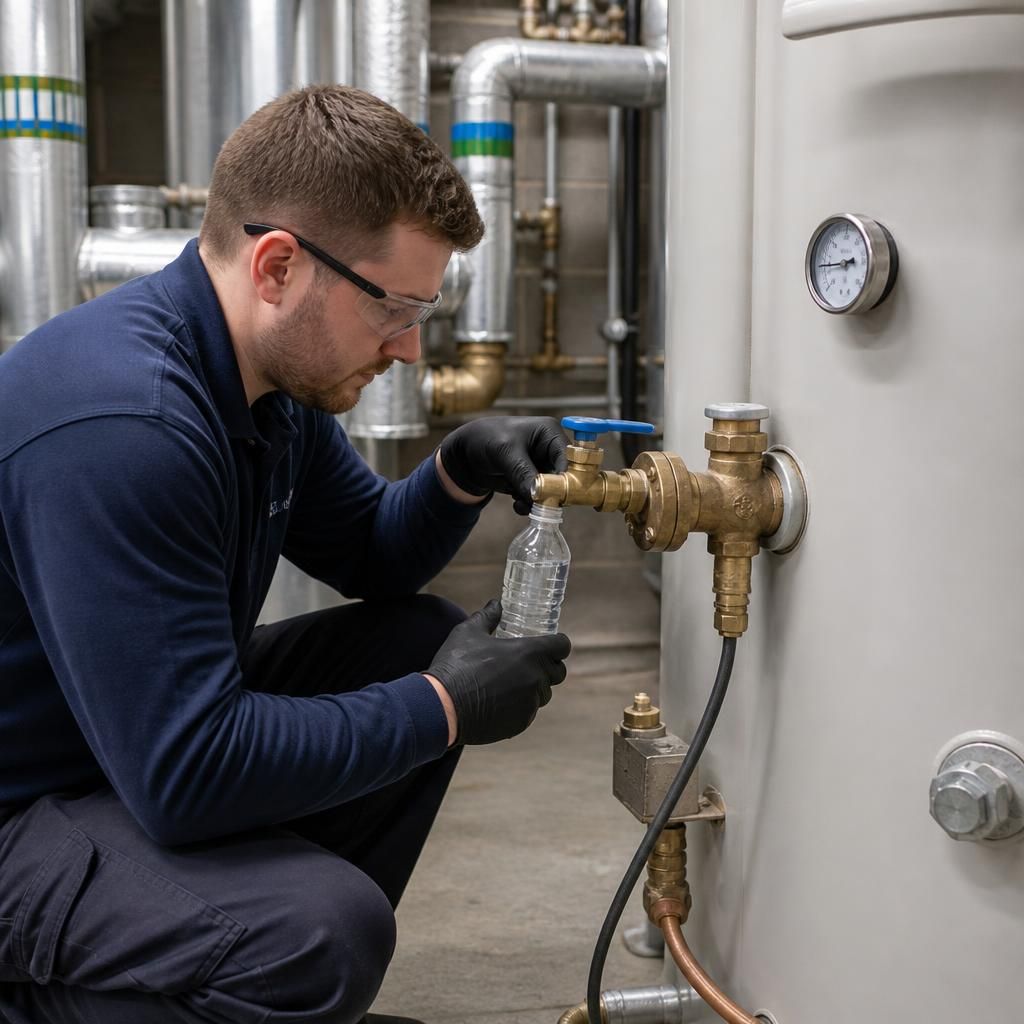
Disinfection is most appropriate when the risk cannot be controlled reliably through operational measures alone. For example, a commercial system may need treatment where contamination has reached multiple connected sections, where affected pipework cannot be isolated confidently, or where the condition of the installation means normal temperature control and flushing are unlikely to restore control. In these circumstances, the decision should be based on the system’s configuration and the evidence available, rather than on the age of the installation or a standard maintenance cycle.
The proposed intervention should also be practical to carry out without creating a further water safety risk. This includes identifying affected outlets, controlling access, managing chemical or thermal hazards, and confirming how water supplies will be maintained for essential activities while the work is undertaken. A competent assessment should establish whether the planned treatment can reach the relevant parts of the system and whether any connected sections, storage arrangements or temporary supplies could undermine the result.
Discuss whether your commercial system needs disinfection
If you are unsure whether your commercial water system needs disinfection, discuss the available risk assessment, test results and operational records with Blue Fish Water Management to determine whether specialist remedial advice is appropriate.