
How should disinfected water hygiene remedial controls be selected?
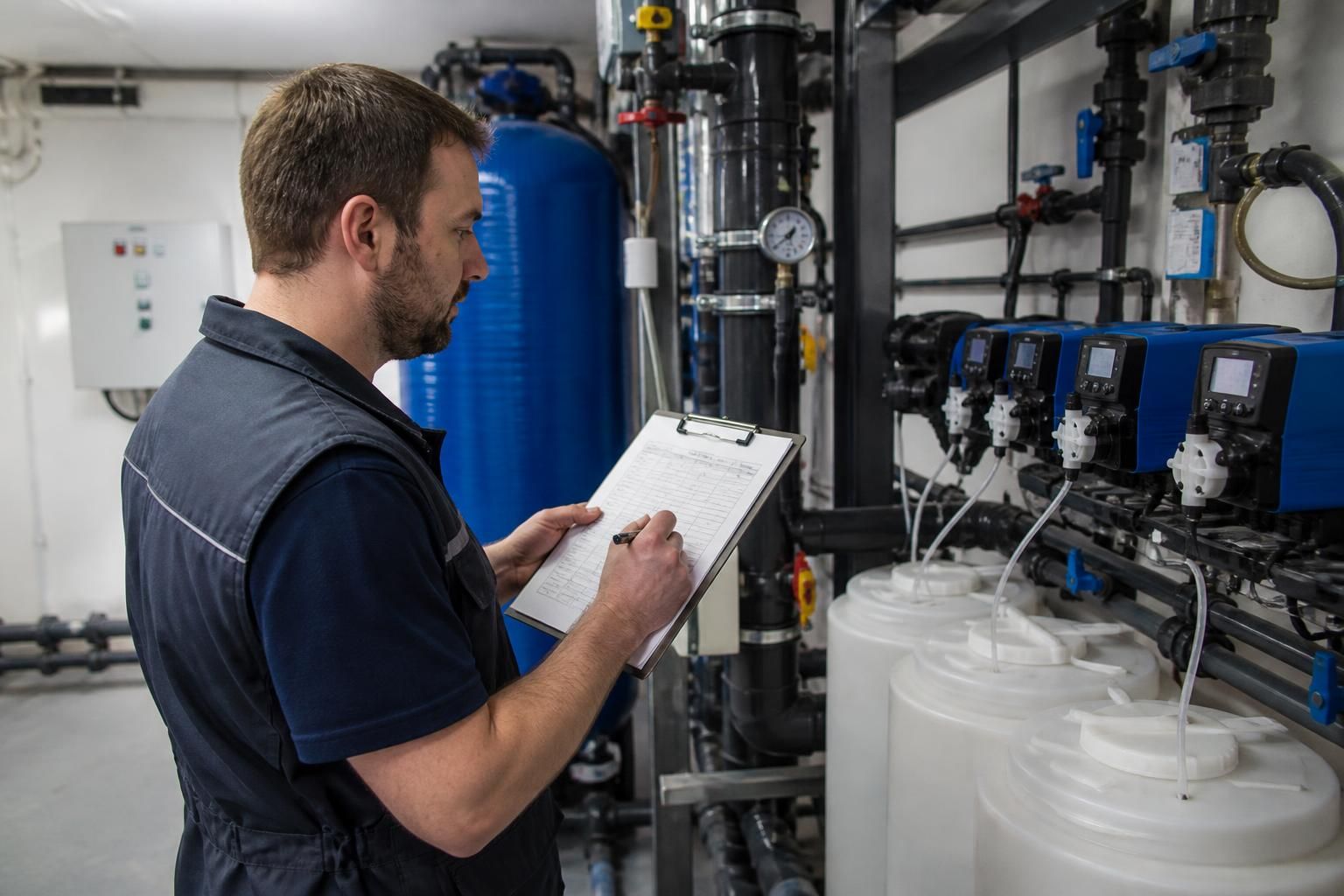
Disinfected water hygiene remedial controls should be selected through a documented, risk-based decision process rather than by choosing a standard treatment in isolation. The control plan should address the contamination identified, remove or contain its cause, protect people during the work, and define the evidence required before the system is reinstated.
Start with the investigation findings. The remedial measure should correspond to the source and extent of the problem. A localised issue may require targeted cleaning, disinfection or component replacement, whereas contamination affecting storage, distribution pipework and outlets may require a coordinated system-wide intervention. Investigation should consider sampling results, temperature performance, stagnation, deposits, biofilm, dead legs, poor circulation, faulty control components and any changes in system use.
Disinfection alone is not a substitute for correcting an underlying defect. If low temperatures, inadequate flow, damaged insulation or an unsuitable control arrangement has enabled bacterial growth, those conditions should be addressed as part of the remedial plan. Otherwise, contamination may recur after the treatment has been completed.
- Targeted cleaning or flushing: appropriate where deposits, scale, debris or stagnant water are contributing to contamination and can be removed without damaging the system.
- Thermal disinfection: considered for systems capable of maintaining the necessary controlled conditions throughout the relevant sections, with safeguards to prevent scalding and exposure.
- Chemical disinfection: considered where the system and its materials are compatible with the selected chemical, and where dosing, contact time, neutralisation, discharge and subsequent flushing can be controlled.
- Component repair or replacement: required where tanks, valves, calorifiers, strainers, flexible connections, outlets or other components are defective, heavily contaminated or unsuitable for continued use.
- System modification: needed where dead legs, poor circulation, redundant branches or inadequate access prevent effective control and routine monitoring.
These measures may need to be combined. For example, removal of visible deposits may need to precede disinfection, while replacement of a contaminated component may be more reliable than attempting to treat it in place. The selected sequence should be recorded because applying controls in the wrong order can reduce their effectiveness or distribute contamination further through the system.
Check compatibility before selecting a chemical or thermal method. Materials may react differently to heat, oxidising agents, acids or other treatment chemicals. The assessment should cover tanks, pipework, seals, membranes, coatings, pumps, valves, sensors and specialist equipment connected to the water system. It should also establish whether the treatment could affect water quality, create hazardous residues or invalidate equipment warranties. Safety data, manufacturer information and the system’s construction records should inform the decision.
Consider the people and activities affected. Remedial work in a care setting, healthcare environment, residential accommodation, workplace or public facility may involve people who are particularly susceptible to infection or who cannot easily be relocated. The plan should therefore address isolation of affected areas, alternative water arrangements, scalding controls, chemical exposure, access restrictions and communication with responsible persons. A control that is technically suitable but cannot be carried out safely in the occupied premises is not an appropriate control until those operational constraints have been resolved.
Specify how the work will be controlled. The written method should identify the system sections included, isolation points, treatment stages, dosing or temperature controls, contact requirements, flushing arrangements, waste handling and responsibilities. Chemical treatments require suitable COSHH controls, secure handling and arrangements for preventing untreated or inadequately flushed water from reaching users. Thermal work requires control of outlet temperatures and measures to prevent unauthorised use while elevated temperatures are present.
Selection should also take account of the system’s ability to be monitored. A treatment that cannot reach all relevant branches, maintain the required conditions or be measured reliably may provide only apparent control. Where access is poor or circulation is uneven, remedial modifications may be necessary before disinfection can be considered complete.
Define acceptance criteria before work begins. These criteria may include satisfactory treatment records, confirmation that affected sections have been flushed, inspection of repaired components, acceptable water quality results and evidence that normal control parameters have been restored. Sampling should be planned around the risk and the parts of the system affected, with results interpreted alongside operational information rather than viewed in isolation.
The final choice should be authorised by the responsible person or duty holder, supported by a competent water hygiene specialist where the risk or system complexity requires it. The decision should explain why the selected controls are suitable, what limitations remain, who is responsible for implementation and what ongoing monitoring will confirm that the remedial action has remained effective.

Selection should distinguish between an immediate remedial measure and the permanent control needed to prevent recurrence. Temporary flushing or disinfection may reduce the immediate hazard, but it should not be recorded as a complete solution where the system still contains a design fault, defective component or source of contamination.
A practical selection record should compare the available controls against the residual risk they leave behind. It should state which hazards each measure addresses, which hazards remain, and whether further work is required. This helps the responsible person avoid treating a short-term reduction in contamination as evidence that the water system is fully controlled.
Where several options are technically suitable, preference should generally be given to the measure that removes the cause or makes future control more reliable, rather than relying solely on repeated reactive disinfection. The chosen control should then be incorporated into the written scheme, maintenance arrangements and review process so that its effectiveness remains subject to routine management.
Need help selecting disinfected water hygiene remedial controls?
If you need to assess suitable disinfected water hygiene remedial controls for a commercial system, speak to Blue Fish Water Management for practical guidance based on your system’s condition, risks and operational requirements.