
What do water chemistry test results reveal about system condition?
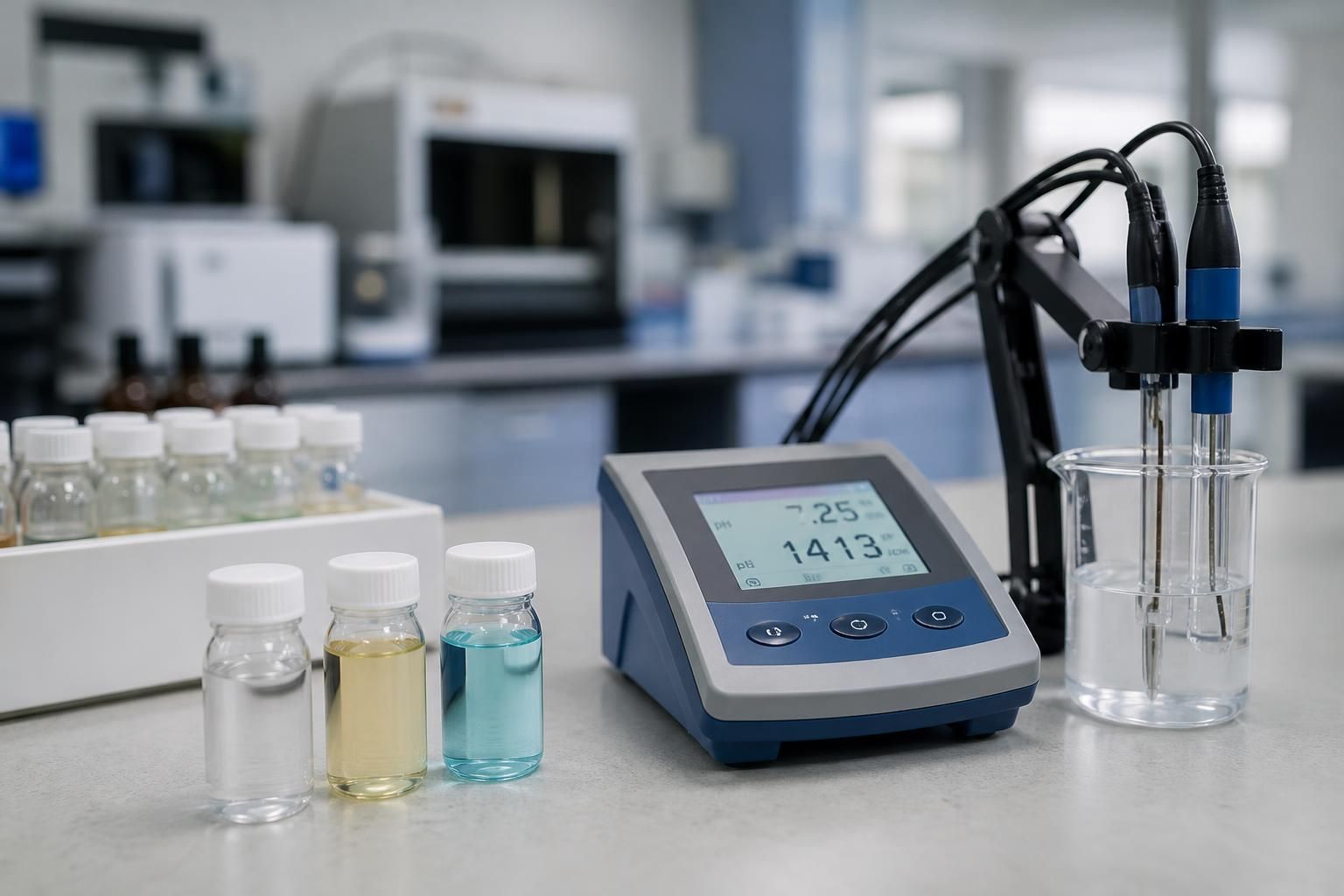
Water chemistry test results provide evidence of how a water system is operating, but their meaning depends on the parameter tested, the type of system, the sampling point and the results recorded over time. A single result may identify an abnormal condition; a properly interpreted series of results can show whether the system is stable, deteriorating, responding to treatment or developing conditions that require investigation.
Results can indicate the balance between water quality and system materials. For example, changes in pH, alkalinity, conductivity, chloride or sulphate may alter the chemical environment around pipework, tanks, heat exchangers and other components. Results for dissolved or total metals, such as iron or copper, may provide evidence of corrosion or the mobilisation of deposits. The significance depends on the materials present, water temperature, flow conditions, treatment regime and whether the sample represents incoming water or water that has circulated through the system.
- pH and alkalinity: indicate how acidic or alkaline the water is and how strongly it resists changes in pH. An unexpected shift can affect corrosion behaviour, scale formation and the performance of some treatment programmes.
- Conductivity and dissolved solids: can show changes in the concentration of dissolved ionic material. A rising result may reflect evaporation, dosing, contamination, concentration caused by poor blowdown or an altered source-water supply.
- Metals and suspended material: can point towards corrosion products, disturbed deposits or deterioration of components. The result is more useful when compared with the appearance of the sample, system history and previous readings.
- Disinfectant residuals: show whether a measurable level remains at the sampling point. Low or inconsistent readings may prompt checks of dosing, demand, distribution, stagnation and sampling technique rather than being treated as proof of a single cause.
- Organic indicators: results such as BOD, COD or TOC can suggest the presence or effect of organic material. They should be interpreted according to the system type and the purpose of the test, because an elevated result does not by itself identify the source.
Results may also reveal that treatment is not reaching every part of a system consistently. Differences between the inlet, storage vessel, return line and terminal outlets can help identify localised problems, dead legs, inadequate circulation, dosing distribution issues or contamination introduced after treatment. A result that is acceptable at one point therefore does not necessarily represent the whole installation.
Trends are usually more informative than isolated readings. Repeated changes in the same direction can indicate gradual concentration, loss of treatment control, increasing corrosion or a developing contamination issue. Conversely, a sudden change may follow maintenance, a change in water source, a dosing adjustment, plant shutdown or disturbance of deposits. Comparing results with operational records helps separate a genuine change in system condition from normal sample variation.
Interpretation should also consider the sample itself. Sampling from a clean, representative point and using the correct container and preservation method is important, particularly where the analyte can change during transport. A poor sample can produce a misleading result. Laboratory analysis is appropriate where greater analytical sensitivity, traceability or a broader range of parameters is needed; on-site testing can be useful for immediate operational checks when the method is suitable and properly controlled.
Chemistry results can support legionella risk management, but they do not confirm whether Legionella bacteria are present. They can identify conditions that warrant attention, such as ineffective control of temperature or disinfectant, stagnation-related changes, deposit formation or deterioration of water treatment. Microbiological examination, risk assessment and review of system controls are needed where the question concerns bacterial presence or exposure risk.
A practical interpretation normally follows this sequence:
- Confirm the system type, sampling point, date and operating conditions.
- Check the method, units, detection limits and any quality-control information.
- Compare the result with the system’s design requirements, treatment objectives, control limits and previous data.
- Look for differences between sampling points and relationships between related parameters.
- Review recent maintenance, dosing, cleaning, filling, shutdowns or changes in supply.
- Decide whether further sampling, inspection, treatment adjustment, cleaning or remedial work is justified.
The most useful report therefore does more than label a result as high or low. It explains what the result may indicate, how confident that interpretation is, whether the finding is isolated or persistent, and what additional evidence is needed before action is taken. For commercial and industrial systems, combining chemistry data with asset information, monitoring records and a documented control programme gives a more reliable assessment of overall system condition.
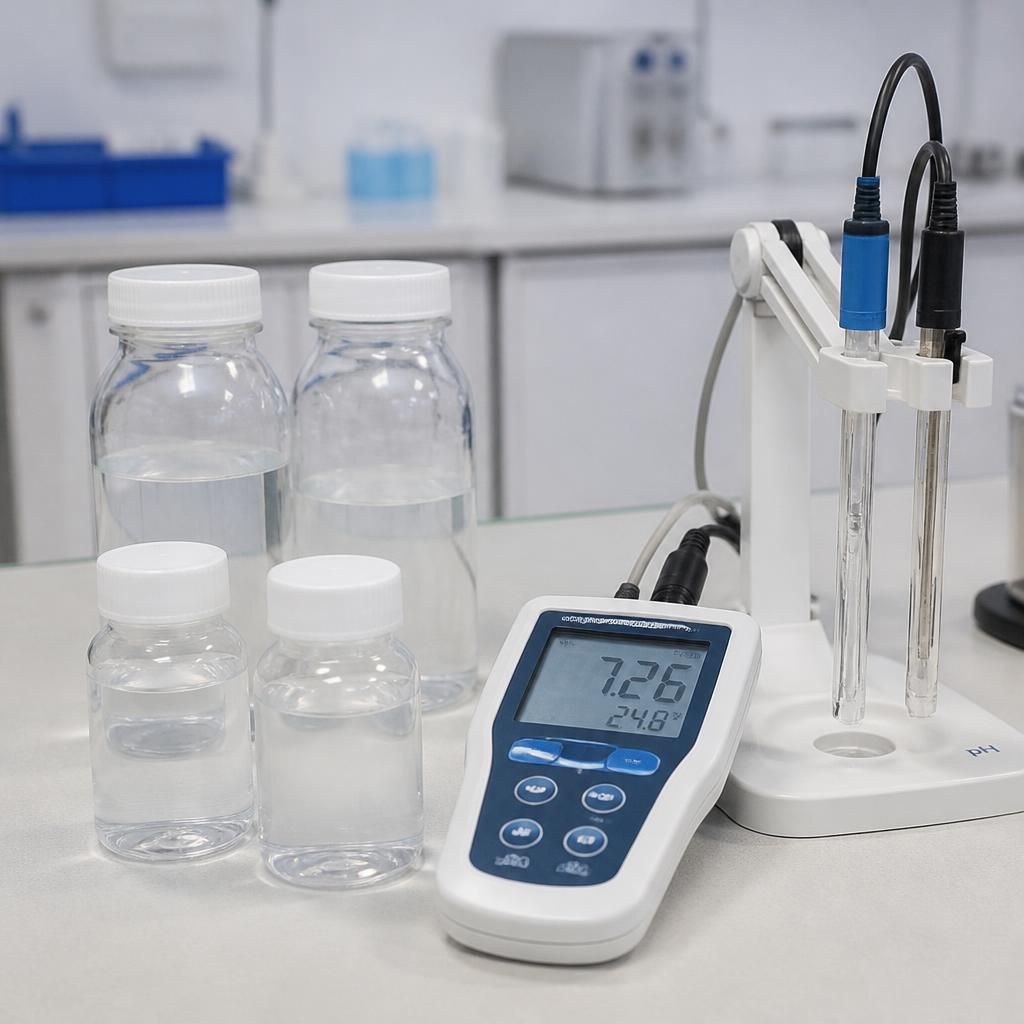
Water chemistry results indicate the conditions affecting a system, but they do not directly show the physical condition of its components. For example, elevated iron or copper may be consistent with corrosion, yet the result cannot establish how much wall thickness has been lost or identify the exact section of pipework involved.
Similarly, an organic indicator may show that carbon-based material is present without identifying whether it comes from contamination, deposits or another source. A disinfectant result confirms the measured residual at one sampling point, not the condition of every internal surface. Where results suggest deterioration, the appropriate follow-up may include inspection of tanks, pipework, heat exchangers or deposits, alongside additional targeted sampling. This combination helps distinguish a chemical warning sign from confirmed physical damage or contamination.
Discuss your water chemistry test results
Discuss your water chemistry test results with Blue Fish Water Management to clarify what the findings may mean and identify appropriate next steps for your system.