
Which water chemistry test is most suitable for investigating a suspected water-quality problem?
There is no single best water chemistry test: the most suitable method depends on the suspected cause, such as hardness and dissolved-solids issues, unusual pH or conductivity, or organic contamination. A targeted initial screen can identify the likely problem, with laboratory analysis of BOD, COD or TOC where organic pollution requires more detailed investigation.
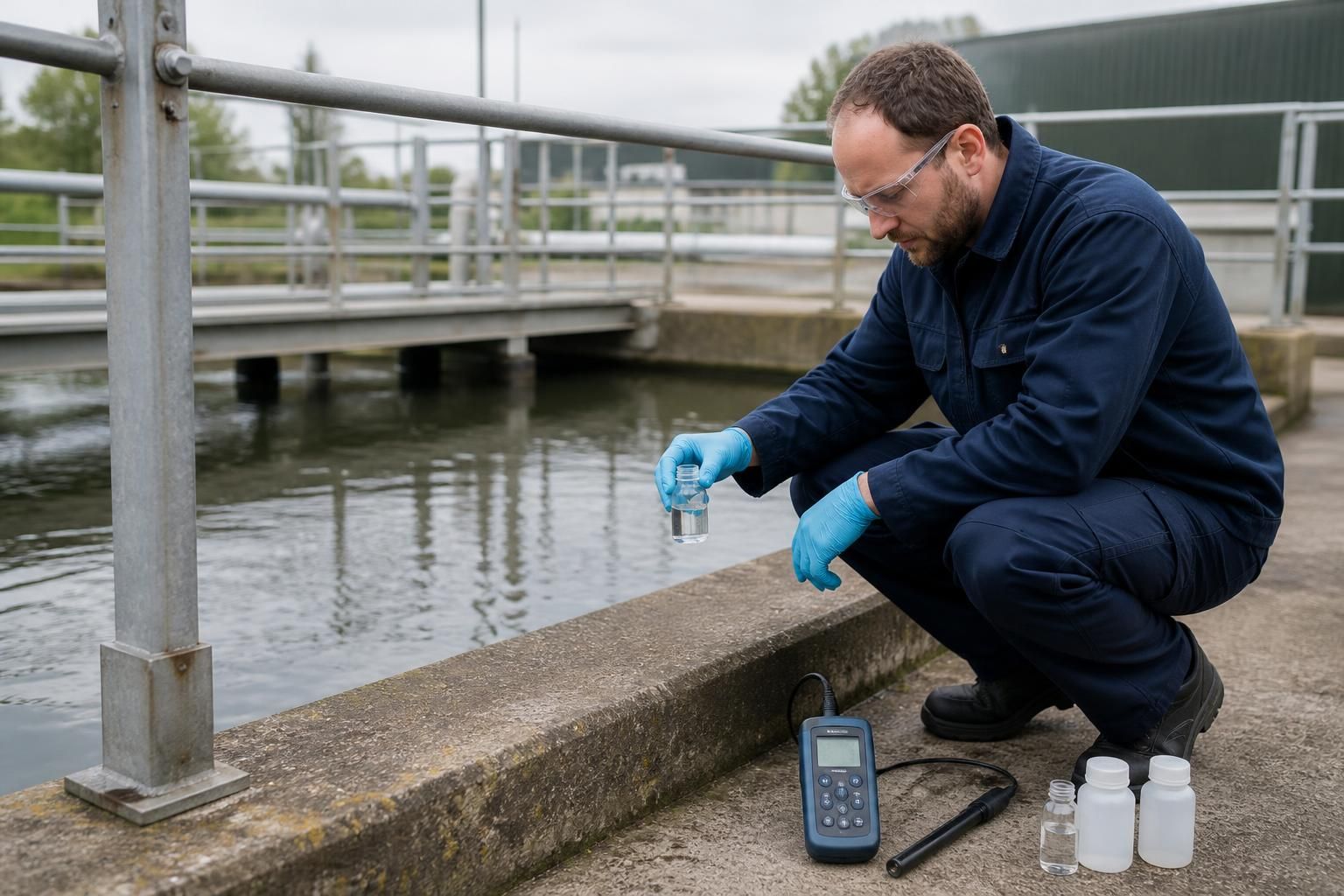
The most suitable water chemistry test is the one that corresponds to the suspected source of the problem. Use pH, conductivity, turbidity and disinfectant measurements for an initial change-in-condition screen; use hardness and total dissolved solids (TDS) testing where scale, deposits or mineral content are suspected; and use TOC, COD or BOD when organic contamination is a concern. A single result rarely identifies the cause on its own, so the choice should be based on the system, the observed symptoms and any change from normal operating results.
Start by defining what has changed. A useful investigation considers the appearance, odour and operation of the water, the location of the problem, recent maintenance or process changes, and any available historical results. A result is easier to interpret when compared with a known baseline from the same system. For example, a rise in conductivity may indicate increased dissolved material, but it does not identify which substance is responsible. Further targeted analysis may therefore be needed.
- Scale, blocked components or mineral deposits: hardness, alkalinity, pH, conductivity and TDS can help assess whether dissolved minerals are contributing to the problem.
- Cloudiness or suspended material: turbidity is a suitable screening measurement, although laboratory analysis may be required to determine the material causing it.
- Unexpected acidity or alkalinity: pH should be measured promptly and interpreted alongside alkalinity, conductivity and the system’s operating requirements.
- Changes after treatment or disinfection: the relevant residual disinfectant, pH and conductivity measurements can show whether treatment conditions have altered.
- Suspected organic contamination: TOC, COD and BOD provide different indications of organic loading and should be selected according to the question being investigated.
- Suspected metals, nutrients or a particular chemical: request a specific laboratory analysis rather than relying on a general water-quality screen.
Hardness and TDS testing are most useful when the concern relates to dissolved mineral content. Hardness mainly reflects calcium and magnesium and is relevant to scale formation and water-treatment performance. TDS represents the combined concentration of dissolved substances, so it gives a broader indication but does not distinguish between harmless minerals and a potentially significant contaminant. Conductivity is often used as a quick indication of ionic dissolved material and can help identify a change between samples. These measurements are complementary rather than interchangeable.
pH and alkalinity should usually be considered together. pH describes the immediate acidity or alkalinity of the sample, while alkalinity indicates its capacity to resist a change in pH. An unusual pH may affect corrosion, scaling, treatment performance or the reliability of other measurements. A pH result without information about sampling conditions, temperature and related chemistry can be difficult to interpret, particularly in systems where water composition changes during operation.
TOC, COD and BOD answer different questions about organic material. TOC measures the carbon present in organic compounds and is useful as a broad indicator of organic loading. COD estimates the oxygen demand associated with chemically oxidisable substances, including material that may not be readily biodegradable. BOD measures the oxygen used by microorganisms as they break down biodegradable organic matter over the specified test period. TOC is often suited to tracking overall changes, whereas COD or BOD may be more informative when oxygen demand or biodegradability is the issue. Results should not be treated as direct substitutes because each method measures a different property.
Water chemistry testing does not replace microbiological investigation. If the concern involves microbial growth, contamination, illness, biofilm or ineffective control, microbiological samples and an assessment of the water system may be required in addition to chemistry tests. Chemical results can identify conditions that support a problem, such as an abnormal temperature, pH or disinfectant residual, but they do not by themselves confirm the presence or absence of a particular microorganism.
On-site testing is appropriate for immediate screening and operational checks. It can provide a rapid indication of parameters such as pH, conductivity, temperature, turbidity or disinfectant residual, provided the instrument is suitable, maintained and used correctly. On-site results are particularly valuable when several locations need comparison or when a short-lived condition could be missed by delayed analysis.
Laboratory testing is preferable when the result must support a formal investigation or when the contaminant is unknown. It allows more controlled methods, broader analysis and, where necessary, detection of specific substances at lower concentrations. Sampling technique remains critical: use the correct container, avoid contamination, record the location and conditions, preserve the sample where required, and follow the laboratory’s instructions. A poor sample can produce a misleadingly reassuring or elevated result regardless of the analytical method.
A practical investigation normally follows a staged process:
- Record the reported symptom and establish whether it is isolated or system-wide.
- Review recent changes to source water, treatment, equipment, storage, temperature, flow or maintenance.
- Take appropriately located samples, including a comparison or baseline sample where useful.
- Use a focused screening panel covering the most plausible causes rather than ordering unrelated tests.
- Escalate to laboratory analysis or specific contaminant testing if the initial results are abnormal, contradictory or inconclusive.
- Interpret the findings with system records and operational information before deciding on remedial work or repeat sampling.
For a suspected water-quality problem, the best test is therefore determined by the evidence: mineral-related symptoms point towards hardness, TDS and related chemistry; an unexplained change in general quality may begin with pH, conductivity and turbidity; and suspected organic pollution calls for a considered choice between TOC, COD and BOD. Where the cause remains uncertain, a structured combination of screening measurements and laboratory analysis is more reliable than selecting one test in isolation.
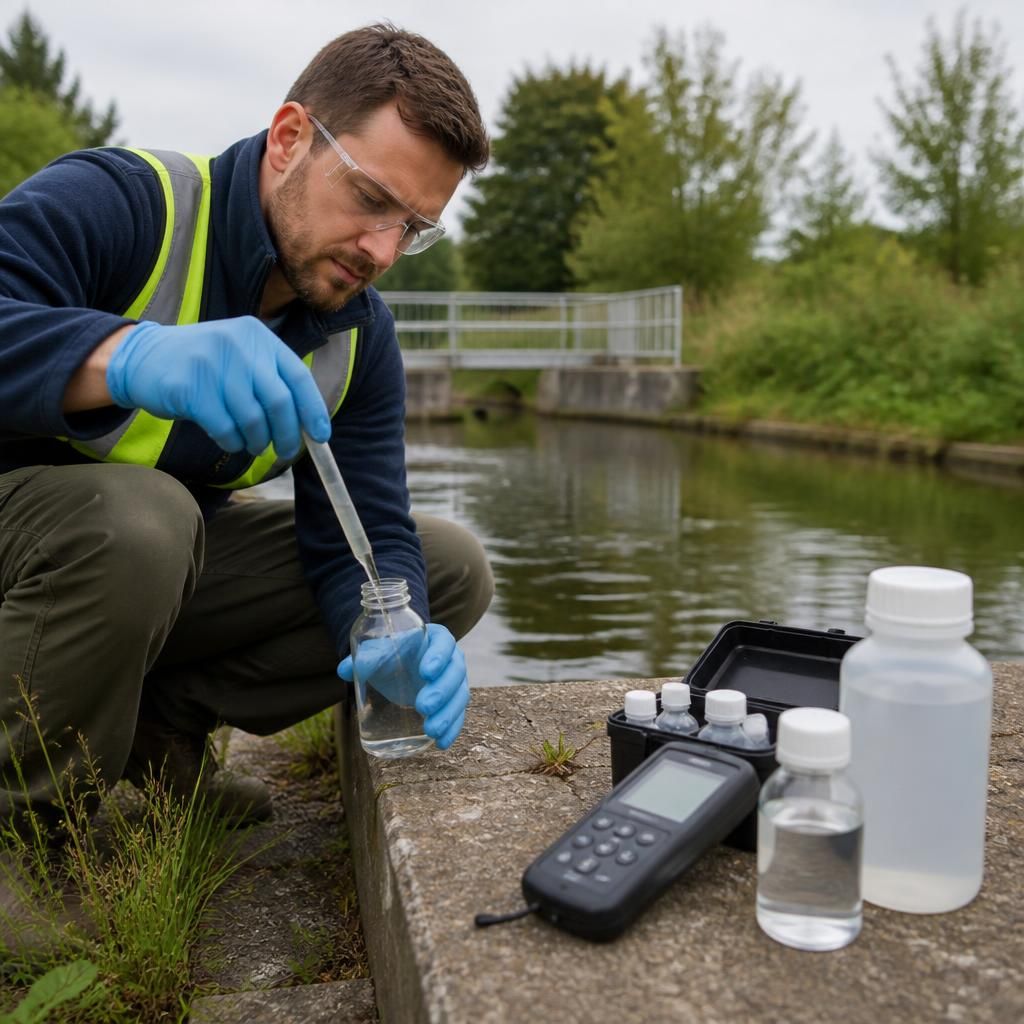
The most suitable water chemistry test must match not only the suspected problem but also the decision the result needs to support. Before testing, define whether the aim is to identify a contaminant, compare system performance, confirm a treatment change or determine whether further investigation is justified. This helps select the correct analyte, analytical method and reporting sensitivity rather than relying on a broad result with limited diagnostic value.
When requesting laboratory analysis, specify the water source, the suspected substance or change, and the relevant operating conditions. Ask how the result will be reported and whether the method can distinguish the concentration range that matters for the investigation. Units, detection limits and sample type can affect interpretation, so results should be reviewed against the laboratory’s method notes and the system’s operational requirements. This is particularly important where a general indicator, such as conductivity or total organic carbon, could show that conditions have changed without identifying the substance responsible.
Get Expert Advice on the Right Water Chemistry Test
Discuss your suspected water-quality problem with Blue Fish Water Management Ltd to help determine the most appropriate test and interpret the findings in context.