
What should I check when choosing a UKAS legionella testing laboratory?
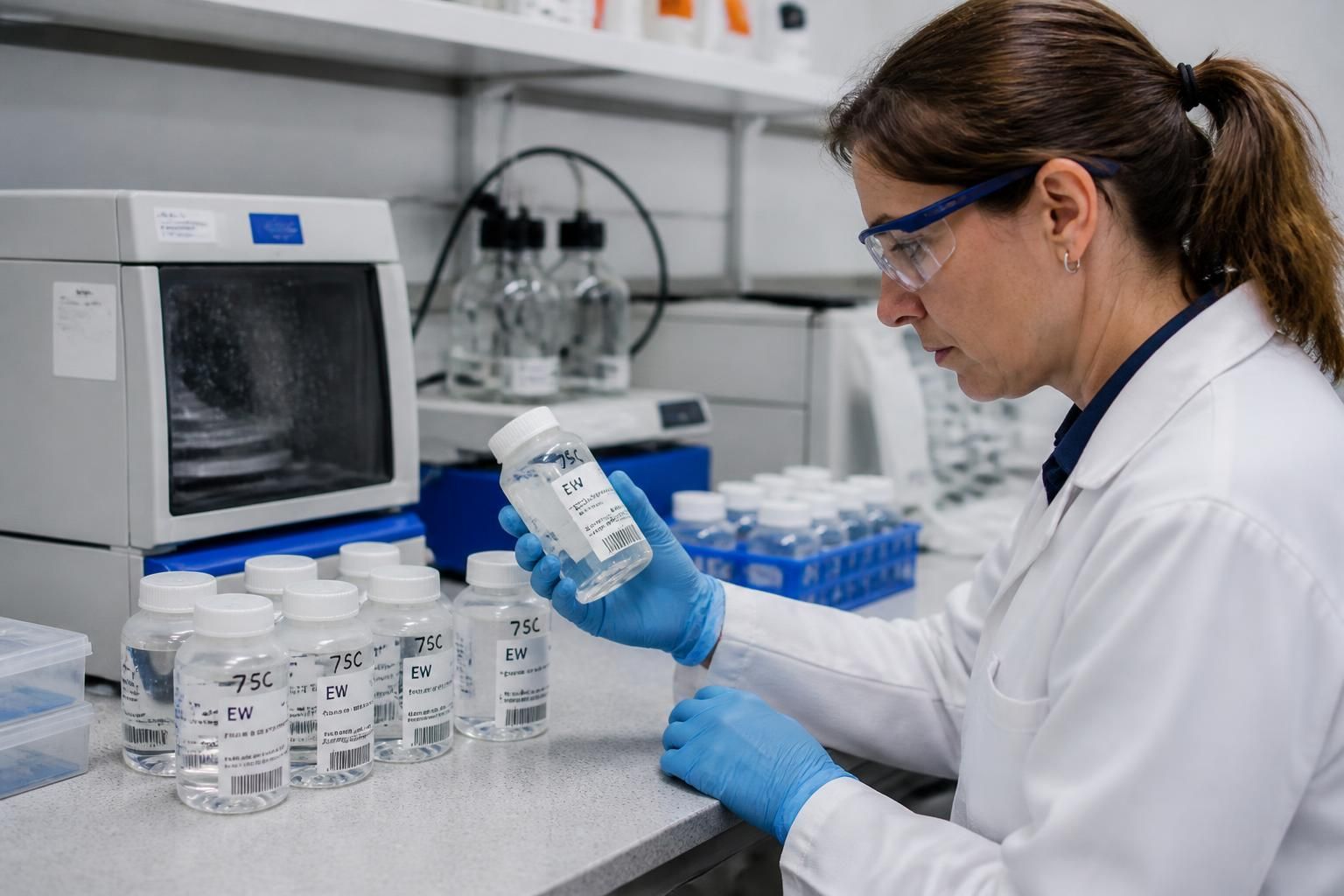
A suitable legionella testing laboratory should provide traceable, technically defensible results that can be used within your water safety management system. The decision should therefore consider the laboratory’s governance, sample logistics, technical reporting and ability to explain findings—not simply the quoted price.
Check the laboratory’s current status and documentation
- Confirm the legal name of the organisation on the quotation, sample paperwork and report, so there is a clear audit trail.
- Check the laboratory’s current UKAS listing and certificate details rather than relying solely on a website statement or historic document.
- Ask how the laboratory notifies clients about changes to procedures, accreditation status or reporting arrangements.
- Ensure reports contain sufficient identification, dates, sample references and authorisation details to demonstrate who performed and reviewed the work.
Assess how samples are managed
- Establish who is responsible for taking each sample and whether that person has suitable training and written instructions.
- Ask what containers, preservatives and labelling procedures are required for the planned analysis.
- Find out how samples are preserved and transported, including how the laboratory deals with damaged, delayed, leaking or inadequately identified samples.
- Check that the chain of custody can be demonstrated from collection through to receipt, testing and reporting.
- Ask whether the laboratory will identify unsuitable samples instead of producing a result without clearly explaining a limitation.
These details matter because a laboratory result reflects the sample received. Poor sampling technique, incorrect storage or an incomplete sample history can reduce the value of an otherwise technically sound analysis.
Look beyond the result itself
A useful report should allow the result to be matched confidently to the correct building, outlet, system and sampling date. It should distinguish the analytical finding from any explanatory comments and make clear whether a result is quantified, below the reporting limit or affected by a qualification. Ask how the laboratory records amended reports and how corrections are linked to the original document.
It is also sensible to ask whether technical staff can explain terminology, limitations and unusual findings in plain language. The laboratory should provide analytical evidence; it should not present a test result as a complete legionella risk assessment or as a substitute for managing the wider water system.
Examine quality assurance and impartiality
- Ask how the laboratory checks the validity of its work, reviews unusual results and handles non-conforming testing.
- Find out how staff competence is maintained and how technical decisions are reviewed before reports are issued.
- Check that the laboratory has arrangements for impartiality and for identifying potential conflicts of interest.
- Ask how long records, raw data and supporting sample information are retained, particularly where results may be needed for an audit, investigation or regulatory enquiry.
A laboratory should also be able to describe what happens when a result is questioned. This may include a technical review, examination of the sample history or discussion of whether a new sample is appropriate. That process should be documented rather than handled informally.
Compare quotations on a like-for-like basis
When comparing providers, check exactly what the quoted service includes. Clarify the number and type of samples, collection arrangements, testing and reporting, travel or courier charges, urgent-work supplements where relevant, and any separate costs for repeat analysis. A lower headline price may not represent the same service if important parts of the process are excluded.
Ask whether the laboratory can work with your existing sampling schedule and water safety records. Consistent sample references, reporting formats and communication routes make it easier to identify trends over time and provide coherent evidence during compliance reviews.
Finally, retain the laboratory’s quotation, accreditation information, sampling instructions, chain-of-custody records, reports and any technical correspondence together. This creates an auditable record of why the laboratory was selected and how its results were obtained, interpreted and acted upon.
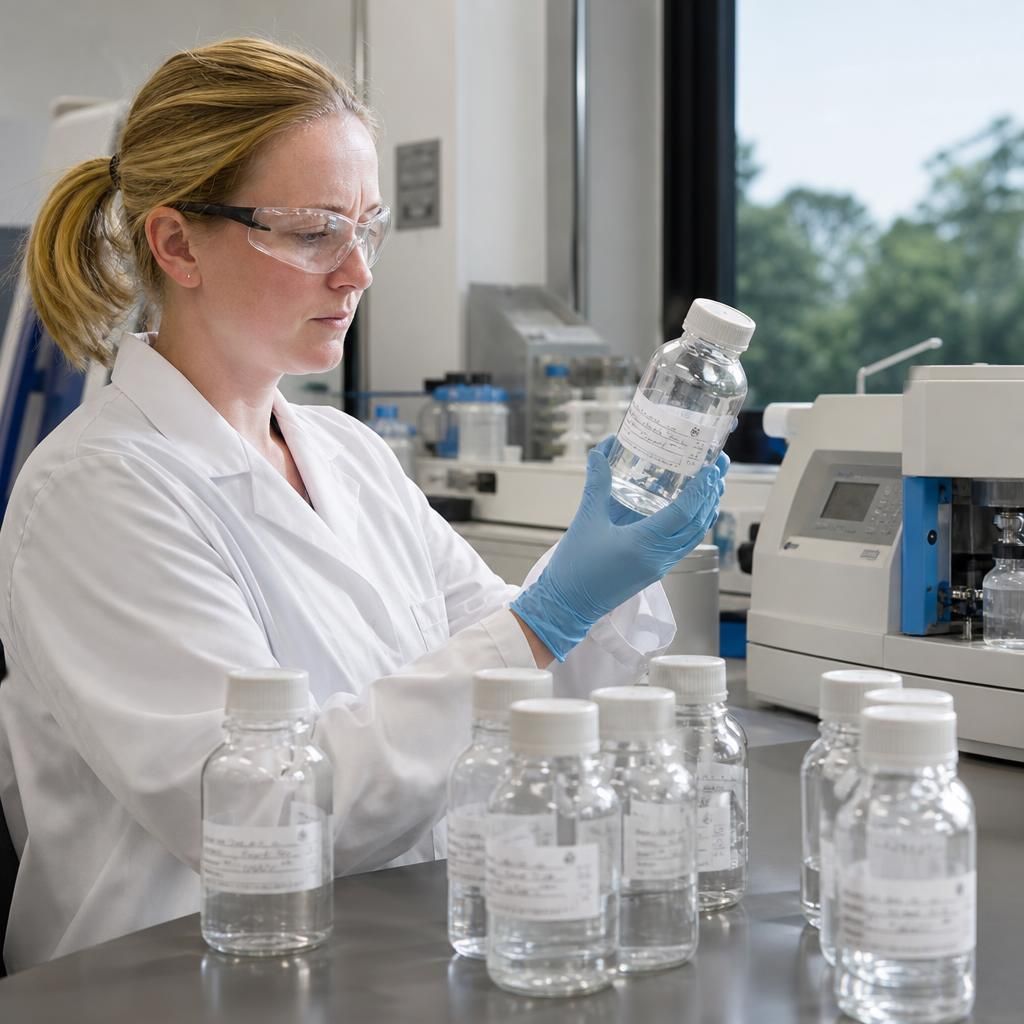
Ask whether the laboratory takes part in relevant external proficiency testing or interlaboratory comparison schemes. These exercises compare its performance with other laboratories using defined samples and can provide additional evidence that analytical work is being carried out consistently. The laboratory should be able to explain how it reviews the outcomes, records any issues and implements corrective action where necessary.
Discuss your UKAS legionella testing requirements
Discuss your UKAS legionella testing requirements with Blue Fish Water Management Ltd, including the buildings, systems and sampling objectives your programme needs to cover. This can help you identify an appropriate testing scope before requesting quotations.