
What should organisations compare when selecting hot water system testing?
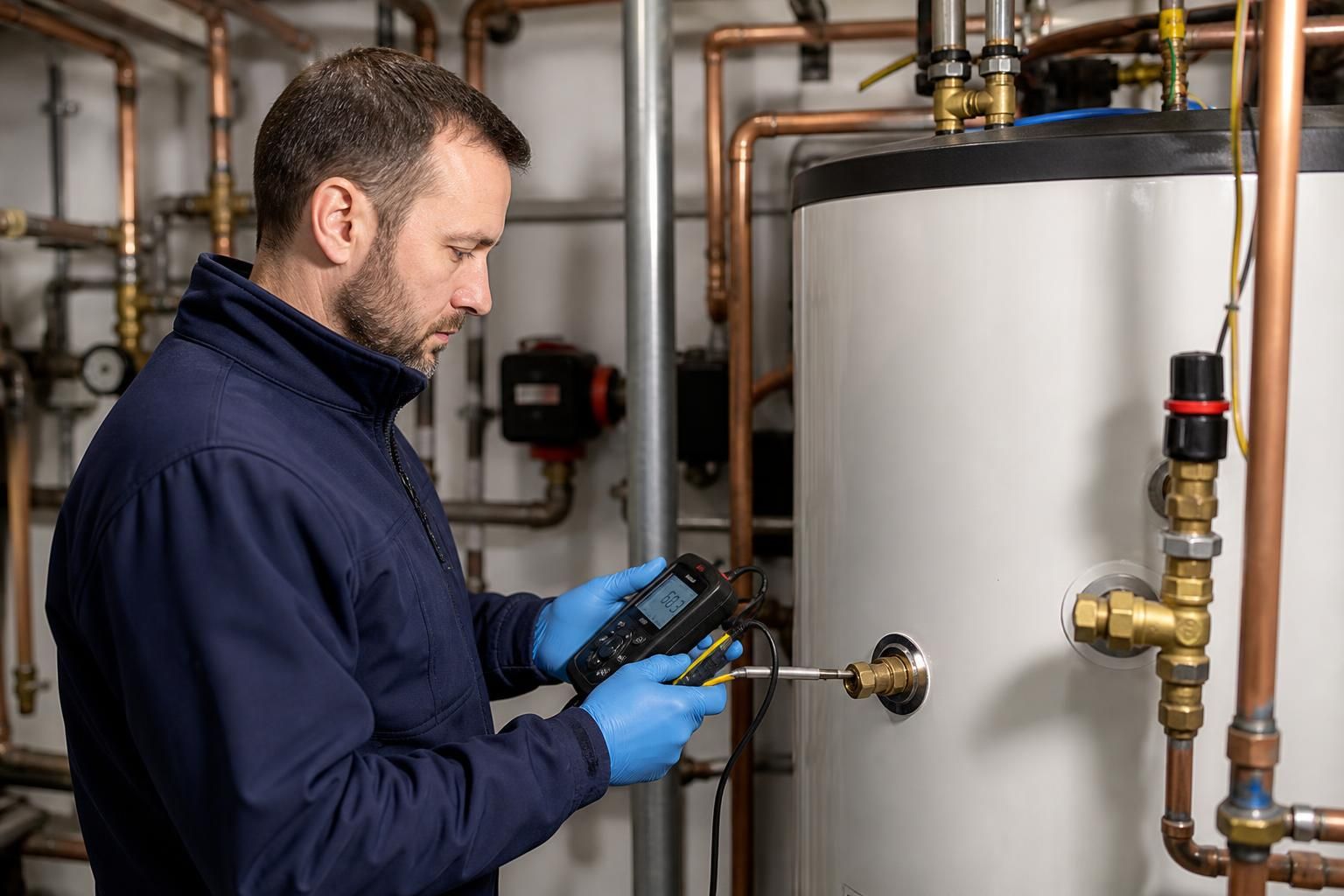
Selecting a hot water system testing provider requires more than comparing a laboratory fee. Organisations should assess whether each provider can examine the relevant parts of the system, collect representative samples, maintain traceability from sampling to result, and provide evidence that can be used within the organisation’s water safety arrangements. The best comparison is therefore based on technical scope, sampling governance, practical understanding of the site and the usefulness of the resulting records.
Compare the proposed scope of work. A provider should state precisely what the testing will cover rather than offering a generic package. This may include stored hot water cylinders, calorifiers, secondary return systems, outlets, expansion vessels or associated pipework, depending on the installation. The scope should reflect the system’s design, use, occupancy and known areas of concern. Check whether the proposal covers only sample collection or also the supporting observations needed to place the results in context.
It is also important to establish which parameters will be examined. Different investigations may involve legionella analysis, general microbiological indicators, temperature observations or other checks relevant to the system. The provider should explain why each element has been selected and identify any limitations. This helps prevent organisations from paying for unsuitable tests or assuming that a narrow result provides a complete assessment of system condition.
Examine the sampling plan. Results are only useful when the samples represent the areas and conditions being investigated. Compare how each provider decides which outlets and system components to sample, how sampling points are selected, and whether the plan can be adjusted when site information changes. A robust approach should consider outlet usage, temperature patterns, dead legs, low-use areas, blending valves and the relationship between storage and distribution.
Ask whether the provider records relevant conditions at the time of sampling. Useful information can include the outlet identity, location, temperature, flushing status, system configuration and any observations made by the sampling technician. Without this context, it may be difficult to understand whether an unusual result relates to a particular outlet, a wider distribution problem or the way the sample was taken.
Check sample handling and traceability. Organisations should compare the controls used between collection and analysis. This includes sample identification, labelling, preservation where applicable, transport arrangements, custody records and the handling of rejected or compromised samples. Documentation should allow a result to be linked to the correct building, system, outlet and sampling date. Clear traceability is particularly important when results are used to support internal reviews, audits, remedial decisions or communication with responsible persons.
Assess technical competence. Look for evidence that the provider understands hot water systems as well as the testing process. Sampling personnel should be able to recognise features that can influence water quality, identify limitations in the available sample points and record relevant system observations. The organisation should also be clear about who reviews the results and whether the reviewer has sufficient experience to distinguish an isolated finding from a pattern requiring further investigation.
Questions worth asking include:
- What training and competence records are maintained for sampling staff?
- How are staff kept familiar with current water hygiene guidance and laboratory procedures?
- Who checks unusual, inconsistent or unexpected findings?
- How are deviations from the agreed sampling plan documented?
- Can the provider explain the limitations of the test rather than presenting the result without context?
Compare how the provider understands the site. A suitable testing programme should take account of the building’s purpose, vulnerable users, occupancy patterns, maintenance arrangements and the way hot water is generated and distributed. A healthcare setting, residential building, leisure facility, office and industrial premises may have different points of concern even where their equipment appears similar. A provider should be willing to review available schematics, asset registers, previous findings and existing control records before finalising the work.
This does not mean that every testing visit must become a full engineering survey. It does mean that the provider should identify when the available information is insufficient and recommend an appropriate next step. A narrow test may be suitable for routine monitoring, while a changing or unexplained result may justify wider investigation of the system.
Review the format and usability of the records. Compare whether reports are easy to match to the organisation’s assets and control procedures. A useful report normally identifies the premises, sampling locations, dates, sample references, findings and any relevant observations. It should distinguish measured facts from professional interpretation and make clear where additional information or investigation is needed.
Consider whether the provider supplies records in a format that can be retained with the water safety file, shared with facilities teams and reviewed over time. Consistent naming of outlets and system components makes trend analysis more reliable. Where repeated testing is planned, ask how historical results will be compared and how changes in sampling locations or system arrangements will be recorded.
Consider the provider’s role after an unexpected result. Testing and remedial work are separate decisions, so organisations should establish how the provider handles findings that require attention. The provider should explain what the result does and does not demonstrate, whether confirmation or additional sampling may be appropriate, and when specialist investigation or remedial action should be considered. This avoids treating a laboratory result as a diagnosis of the entire system.
Finally, compare the clarity of the quotation and the boundaries of the service. It should identify included sampling points, analysis, site observations, reporting, repeat visits and any exclusions. Ask how changes in scope will be agreed and what information the organisation must provide before the visit. A clear specification makes competing proposals easier to assess and reduces the risk of comparing a comprehensive investigation with a basic sample-collection service.
Blue Fish Water Management Ltd can help organisations assess hot water testing requirements alongside wider legionella control and water hygiene arrangements. The relevant comparison is not simply which provider offers the lowest price, but which one can produce technically defensible, traceable information that fits the organisation’s system, records and compliance process.
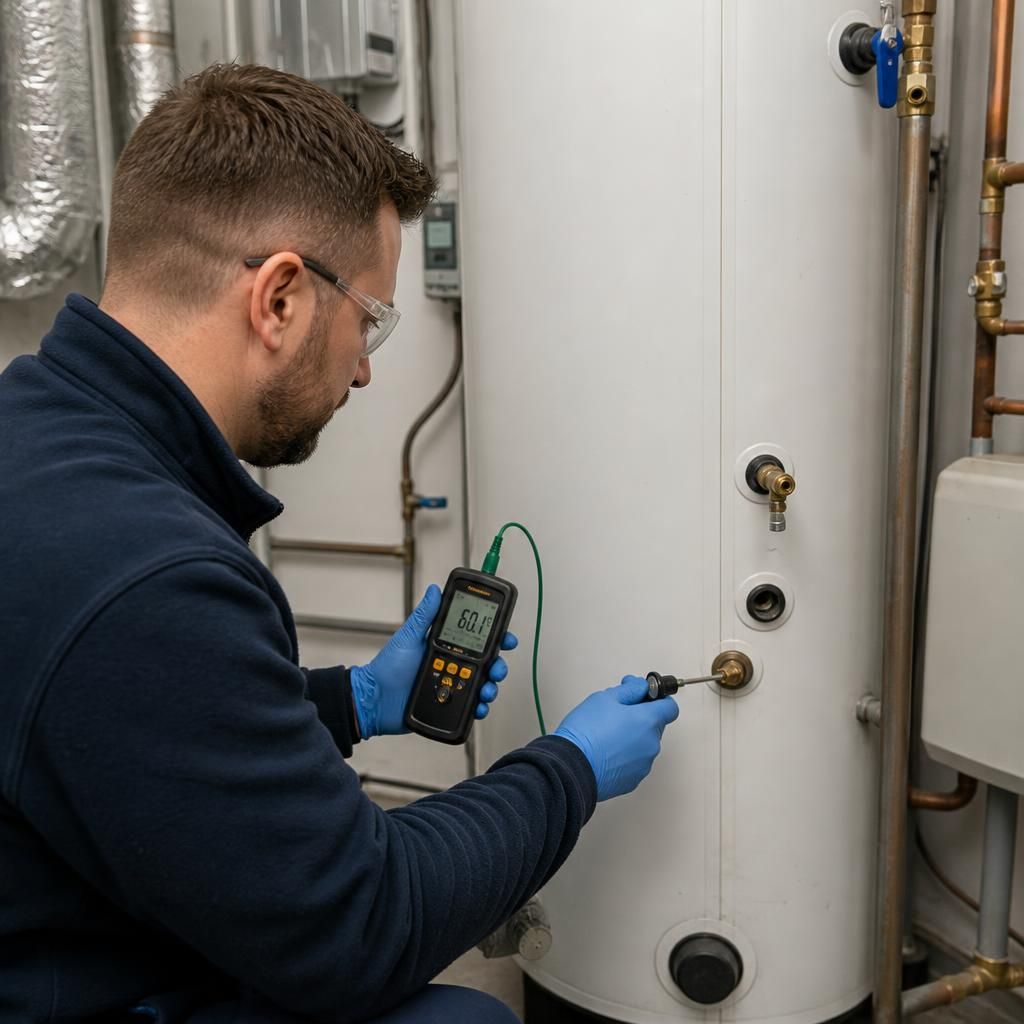
When comparing hot water system testing providers, check what a UKAS accreditation actually covers. Accreditation may relate to the laboratory and particular analytical methods, but it does not automatically confirm that every aspect of site sampling, system observation or interpretation is covered by the same accreditation. The proposal should identify the laboratory undertaking the analysis, the relevant accredited methods and any parts of the service that fall outside the accredited scope.
This distinction helps organisations assess the complete testing process rather than relying on an accreditation logo alone. Ask how the provider maintains control over activities before the sample reaches the laboratory, and ensure the report clearly separates accredited analytical results from technician observations or professional commentary. A transparent explanation of these boundaries makes the evidence easier to evaluate within the organisation’s water safety arrangements.
Discuss your hot water system testing requirements
Discuss your hot water system testing requirements with Blue Fish Water Management Ltd to identify a proportionate approach for your organisation. Share your current concerns and available system information so the next steps can be considered clearly.