
What competence should a cold water storage tank cleaning contractor demonstrate?
A competent cold water storage tank cleaning contractor should demonstrate practical legionella and water hygiene expertise, trained personnel, and a risk-based method for inspecting, cleaning, disinfecting and returning the tank to service safely. They should also provide clear compliance advice, appropriate water testing where required, and documented records showing what was found, undertaken and recommended.
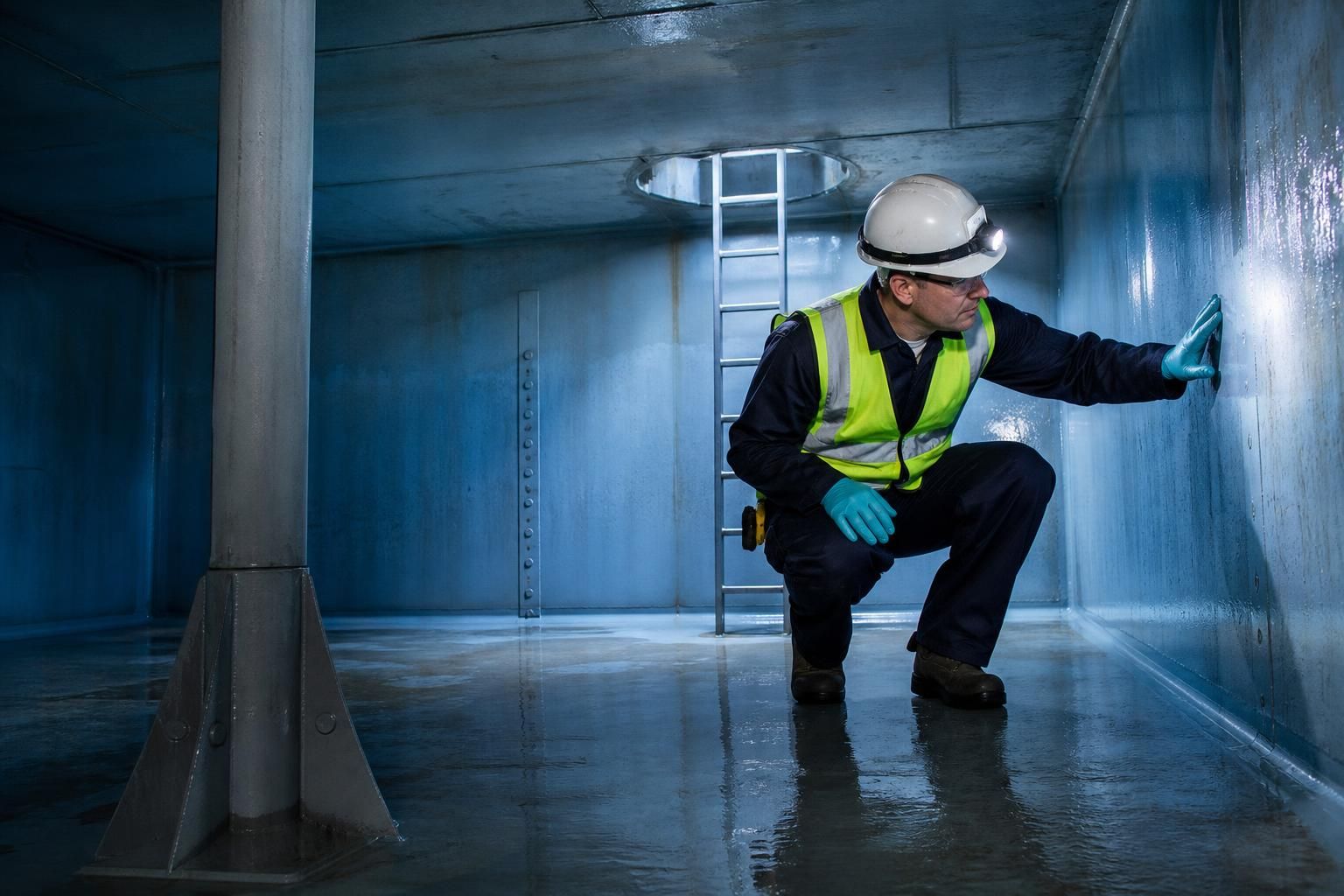
A competent cold water storage tank cleaning contractor should be able to demonstrate that its people, procedures and equipment are suitable for the particular tank and water system being assessed. Competence is more than carrying out a visual clean: it includes understanding legionella risk, controlling contamination during the work, protecting water users, and making sound decisions when defects or abnormal conditions are found.
Before work begins, the contractor should be able to explain how it will assess the tank and its connection to the wider system. This should include consideration of:
- tank construction, condition, capacity and access arrangements;
- the location and security of lids, covers, vents, overflows and warning pipes;
- water temperature, turnover, stagnation and the presence of dead legs or low-use branches;
- the likely impact of isolating the tank on occupants, processes and critical services;
- known vulnerabilities of the building or its water users; and
- any previous inspection findings, sampling results or remedial recommendations.
This site-specific approach matters because a standard cleaning routine may not address the cause of poor water quality. For example, sediment may return if the tank is receiving contaminated supply water, a defective cover may allow repeated ingress, or unsuitable pipework may continue to create stagnant conditions after cleaning.
The contractor should also demonstrate that its operatives have relevant training and understand the difference between routine cleaning, disinfection, inspection and remedial work. They should know how to work safely around stored water, confined or restricted access areas, chemicals, electrical equipment and other site hazards. Where the work involves access at height, isolation of services or a restricted tank chamber, the method should reflect those risks rather than relying on generic instructions.
Good competence is visible in the method statement and risk assessment. These documents should set out the work sequence, access controls, isolation points, protective measures, cleaning and disinfection approach, waste-water handling, reinstatement checks and arrangements for dealing with unexpected conditions. They should identify who is responsible for authorising isolation and who will confirm that the system is safe to return to use.
Technical competence includes knowing how to remove sediment, scale, biofilm and other deposits without damaging the tank or introducing further contamination. The contractor should use equipment that is appropriate for the tank material and design, keep cleaning tools controlled and clean, and prevent dirty water or chemicals from entering parts of the system that are not intended to be treated. Disinfection should be selected and applied in accordance with the system's condition and the relevant water hygiene requirements, with suitable controls for contact time, flushing and safe reoccupation.
A capable contractor will not treat the tank in isolation from the rest of the installation. During the work, it should be able to recognise issues such as:
- corroded, cracked or otherwise damaged tank surfaces;
- missing, ill-fitting or non-secure covers;
- inadequate screens, vents or overflow arrangements;
- heavy deposits indicating poor turnover or long-standing stagnation;
- incorrect or poorly supported pipework; and
- valves, insulation or temperature conditions that may contribute to legionella risk.
Finding a defect is not the same as resolving it. Competent personnel should distinguish between conditions that can be corrected during the planned clean, issues requiring separate remedial work, and risks that require the client to take immediate control measures. Their recommendations should explain the defect, its likely significance, the priority of action and any interim precautions. They should avoid presenting speculative conclusions as confirmed causes.
Communication is another important test of competence. The contractor should agree access requirements, isolation arrangements, water-use restrictions and reinstatement procedures with the responsible person before starting. If the work changes because of the tank's condition or the site's operational needs, the variation should be discussed and recorded. Technical findings should be explained in terms that help the duty holder make an informed decision, without obscuring important limitations.
There should also be a clear chain of supervision and accountability. The client should know who is carrying out the work, who is technically responsible for it, and how specialist activities or subcontracted elements are controlled. A contractor that uses external support should still be able to demonstrate consistent procedures, suitable training and effective oversight across everyone involved.
Finally, competence should be demonstrated through the quality of the completed record, not simply through claims made before the visit. The documentation should enable the responsible person to understand the tank's condition, the work completed, any deviations from the planned method, outstanding risks and recommended next steps. When read alongside the site's wider water hygiene arrangements, that information should support proportionate monitoring, maintenance and future risk assessment.
In practical terms, a robust selection check should ask the contractor to explain its site assessment process, provide examples of the records it produces, identify how it controls disinfection and reinstatement, and describe how it handles defects or unexpected contamination. Clear answers supported by relevant procedures and technically meaningful reports provide stronger evidence of competence than a broad service description alone.
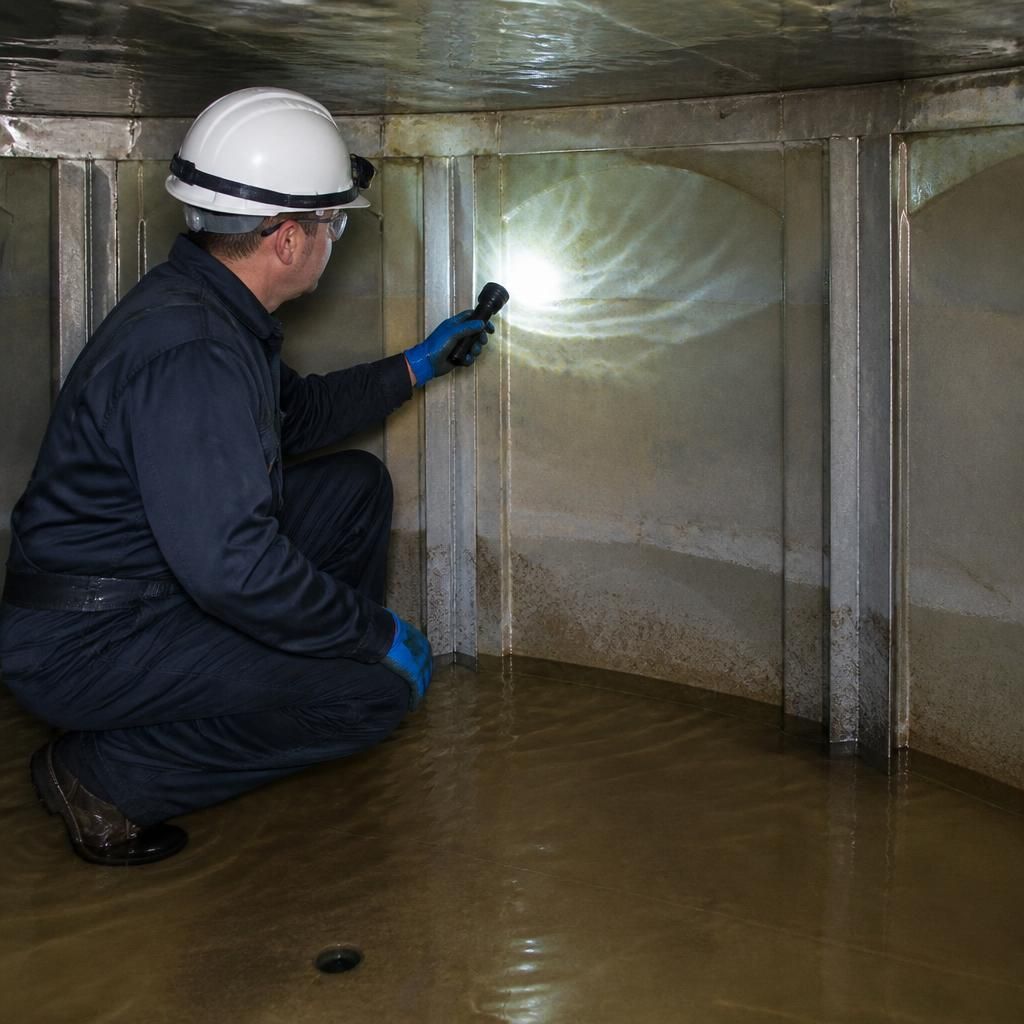
Competence should also be evident in the contractor’s quality-control arrangements, not only in the operative’s work on the day. A reliable process should include documented procedures, controlled forms and a way to review completed tank-cleaning work against the agreed scope. This helps prevent important details being lost between the site visit, technical review and final report.
When assessing a contractor, ask how it:
- keeps procedures and technical guidance under review;
- checks that completed work meets its own stated requirements;
- records and investigates errors, deviations or near misses;
- updates personnel when working methods or safety controls change; and
- uses audits or management reviews to identify recurring problems.
These arrangements provide useful evidence that competence is maintained consistently rather than assumed from an individual’s experience. They are particularly relevant where several people contribute to the inspection, cleaning, testing or reporting process.
Discuss your cold water storage tank cleaning requirements
Discuss your cold water storage tank cleaning requirements with Blue Fish Water Management Ltd, including the tank arrangement, existing records and any operational constraints. This can help establish the appropriate scope of work and information needed before a contractor is appointed.