
How often should cold water storage tanks be cleaned?
Cold water storage tanks should be cleaned and disinfected when inspection or risk assessment identifies contamination, sediment, poor condition or another control failure, rather than to an arbitrary calendar interval. They should be inspected as part of planned monitoring—commonly at least annually—with the cleaning frequency set according to the system’s risk, usage and condition.
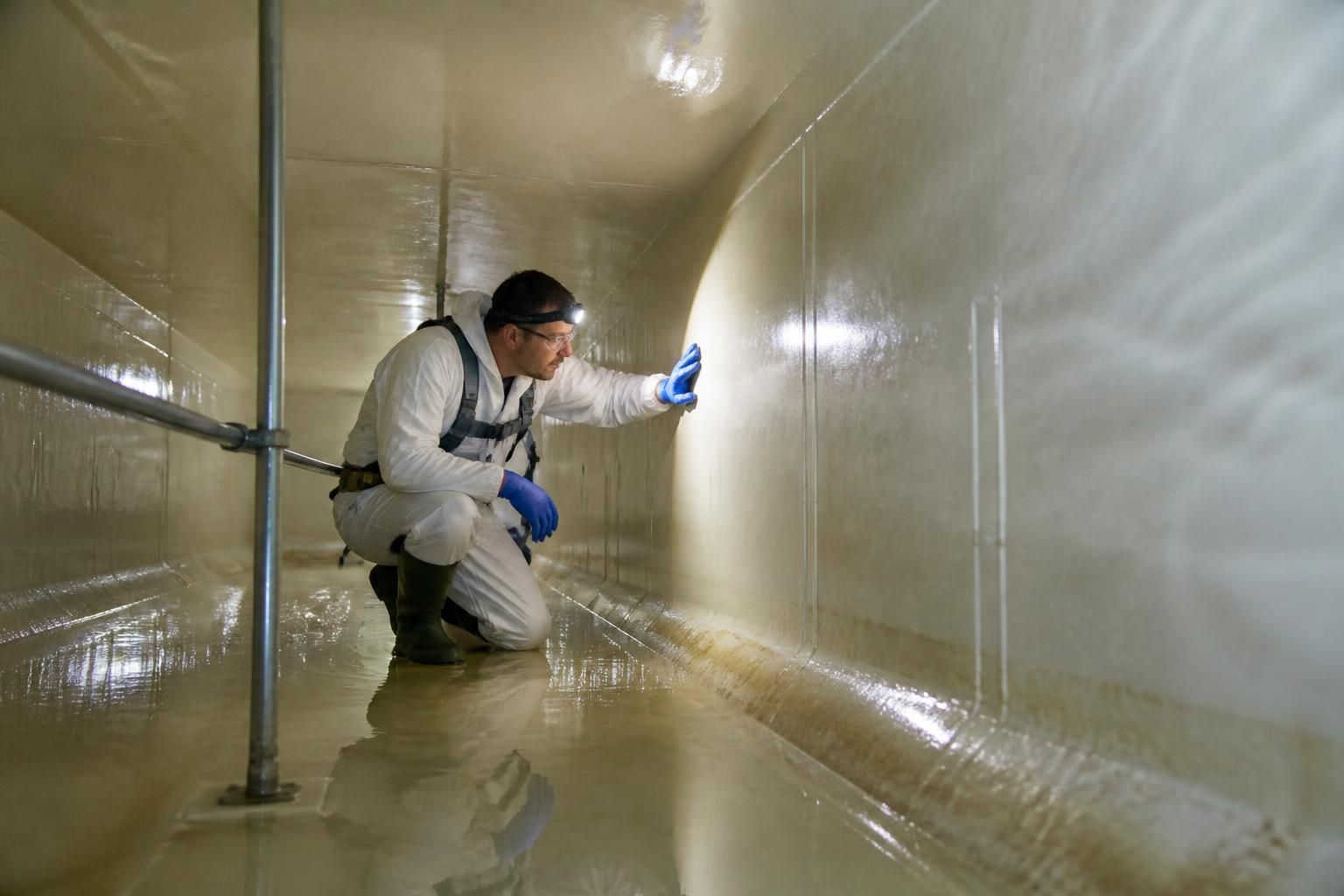
There is no single legally prescribed cleaning interval for every cold water storage tank. The appropriate frequency should be established through the water hygiene risk assessment and adjusted when the tank, the system it serves or the people exposed to it change. A tank should not be left until a routine date if inspection identifies a condition that could support contamination or compromise water quality.
Health and safety guidance places the emphasis on controlling risk rather than following an automatic calendar cycle. The responsible person should consider the tank’s design, capacity, turnover, temperature control, degree of use, condition and accessibility, together with the susceptibility of building occupants. A tank supplying frequently used outlets in a well-controlled system may present a different risk from one serving areas with intermittent use, low turnover or vulnerable occupants.
Factors that may justify cleaning and disinfection include:
- sediment, scale, sludge, biofilm or visible deposits inside the tank;
- evidence of contamination, including insects, animal matter or debris;
- a damaged, missing or poorly fitted lid, vent, overflow screen or other protective component;
- corrosion, leaks or deterioration that could allow ingress or affect water quality;
- prolonged stagnation, unusually low turnover or an extended period when the system was not in normal use;
- alterations, maintenance or remedial work that could have introduced contamination; or
- water hygiene monitoring or sampling results that indicate the existing controls are not effective.
Routine inspection is therefore central to deciding when the next clean is due. The inspection should assess the internal condition of the tank where this can be done safely, as well as the cover, fittings, insulation, surrounding area and connected pipework. A clean tank can become unsuitable if its protective arrangements fail, so checking the physical condition is just as important as recording when it was last disinfected.
Cleaning may also be required after an incident rather than at the next planned service. Examples include flooding, suspected ingress, a major loss of temperature control, significant building works or a prolonged shutdown. Where contamination is suspected, the responsible person should review the risk promptly, decide whether outlets or parts of the system need to be taken out of use, and arrange appropriate cleaning, disinfection and verification before normal operation resumes.
Conversely, cleaning too frequently without identifying a reason can introduce avoidable risks. Opening a tank, disturbing deposits and carrying out intrusive work may expose personnel to hazards or create opportunities for contamination if the work is poorly controlled. The planned interval should therefore be proportionate, documented and reviewed whenever the risk assessment changes, rather than copied from another building or treated as a universal rule.
A suitable water hygiene management plan should record the reason for the selected interval, the responsible person, inspection findings, cleaning dates, defects identified and any corrective actions. It should also define when the interval will be reviewed—for example, after a failed control measure, a change in occupancy, a change in system use or adverse monitoring results. This gives the organisation a defensible basis for demonstrating that tank cleaning is being managed according to risk.
Where the tank is difficult to access, serves a complex installation or forms part of a higher-risk premises, advice from a competent water hygiene professional can help determine whether the existing schedule remains suitable. The assessment should lead to a site-specific cleaning programme, not an assumed interval applied without regard to the system’s actual condition.
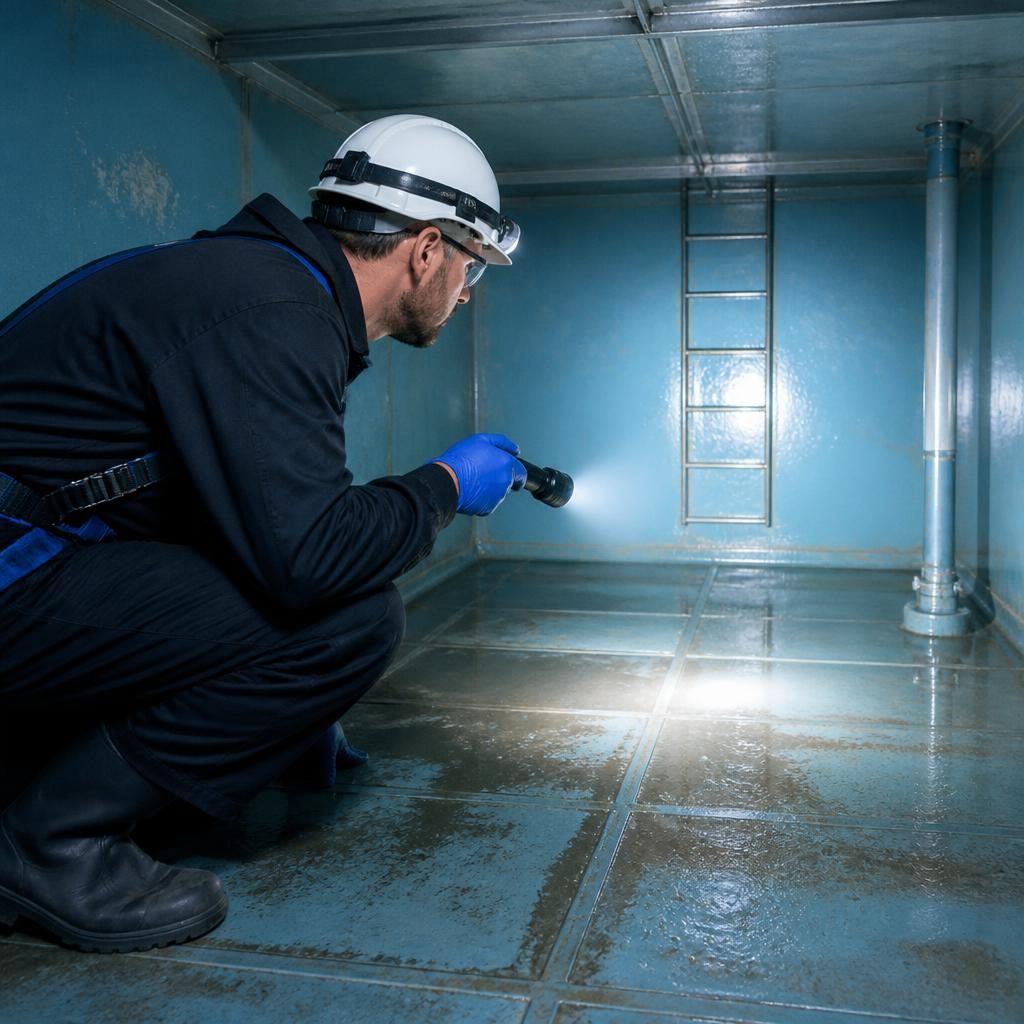
The cleaning interval should be reviewed against findings over time, not decided from a single inspection. Repeated sediment, recurring ingress or deposits that reappear soon after cleaning indicate that an underlying defect or operating condition may need correcting before the schedule is reconsidered.
Keep records from successive inspections and compare the tank’s condition, system use and monitoring results. If controls remain effective and the tank continues to be maintained in a suitable condition, the documented risk assessment can confirm that the existing interval remains appropriate. If conditions deteriorate, the assessment should support a shorter interval and identify the corrective work required.
Review your cold water storage tank cleaning schedule
If you need to establish whether your current cold water storage tank cleaning interval remains appropriate, arrange a site-specific review with Blue Fish Water Management Ltd. The findings can support a documented cleaning programme based on the tank’s condition and operational risk.