
What disruption can sewage tank cleaning cause?
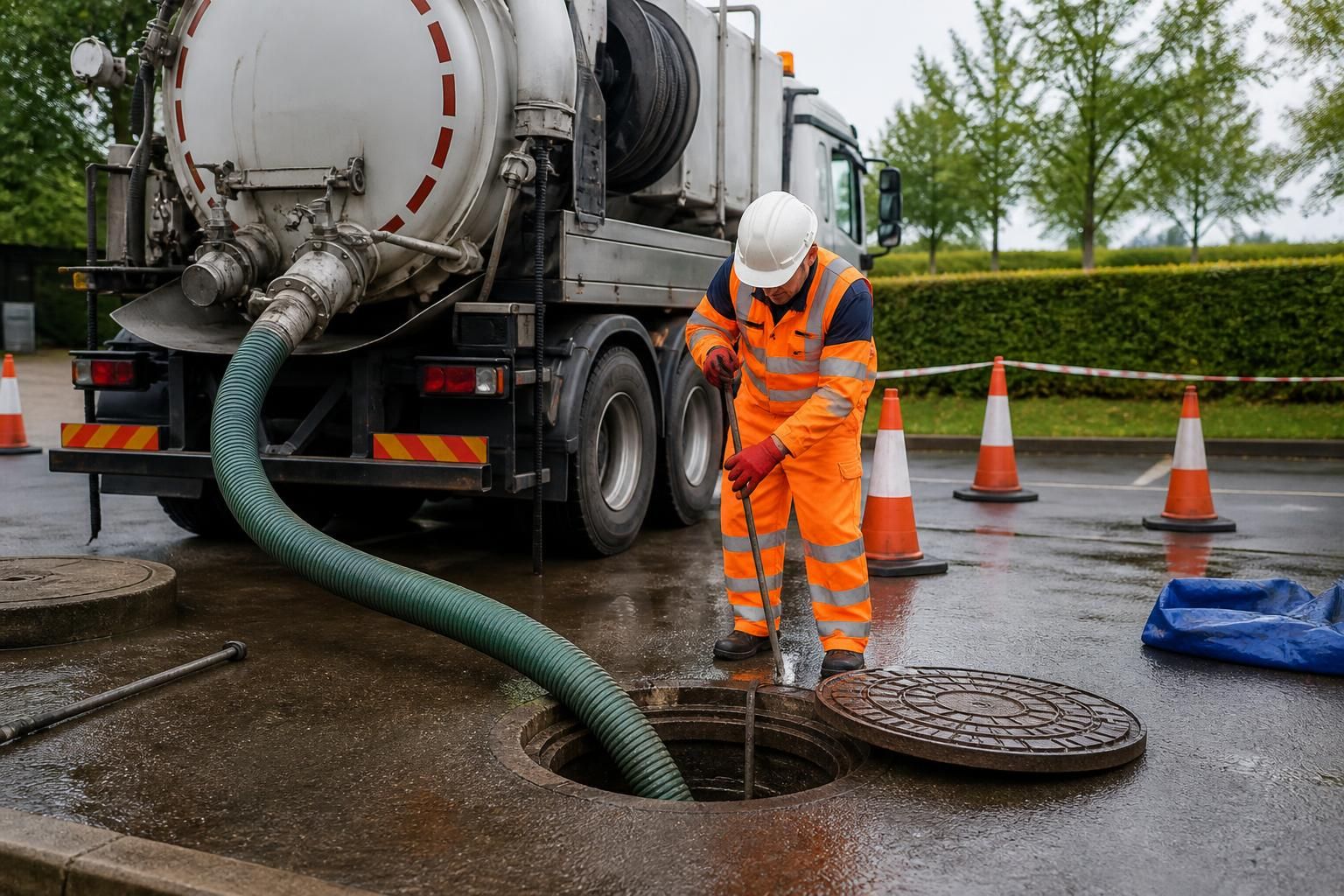
Sewage tank cleaning is normally a planned, temporary interruption rather than a prolonged loss of service. The main effect is usually on activities that depend on the tank or the drainage system connected to it. Disruption may begin before cleaning, while the area is prepared and the system is managed safely, and may continue after the tank has been emptied while connections, covers and surrounding surfaces are checked.
The length and severity of the interruption depend on the work method, the tank’s condition, the waste volume, the layout of the site and whether faults are found during the work. A straightforward clean may involve only a controlled pause in related operations. A tank containing heavy deposits, damaged components or unexpected obstructions may require additional work before normal use can resume.
Which activities may be affected?
- Toilet, washing and drainage facilities connected to the tank may need to be taken out of use during part of the operation.
- Vehicle routes, loading areas, car parks or pedestrian paths may need to be managed while equipment is positioned.
- Work near food preparation, healthcare, education or manufacturing areas may require extra segregation and hygiene controls.
- Operations that produce wastewater may need to pause or reduce discharge until the system is available again.
- Staff, visitors, contractors or residents may need clear instructions about alternative facilities and restricted areas.
In a commercial setting, the greatest disruption often results from poor coordination rather than the cleaning activity itself. If the work coincides with deliveries, shift changes, customer visits or production processes, the site may experience avoidable delays. A written plan should therefore identify the affected facilities, the people responsible for site control and the point at which normal use can be restored.
How the work is usually planned
- Site information is gathered. The responsible person should provide the tank location, access route, known capacity, previous maintenance information, connected facilities and any restrictions affecting the site.
- The work area is assessed. The contractor should consider ground conditions, overhead or underground services, vehicle movements, public access, confined-space risks and the possibility of spills.
- Facilities are coordinated. The site should decide which toilets, processes or drainage connections must be isolated and whether suitable alternatives are available.
- The cleaning sequence is agreed. This should cover preparation, removal of contents, cleaning, inspection, reinstatement and the checks required before the system is returned to use.
- Completion is confirmed. The responsible person should verify that covers are secure, the work area is clean, equipment has been removed and any restrictions have been formally lifted.
The cleaning contractor should explain what the site must do before work starts. This may include moving vehicles, clearing obstructions, securing access points and ensuring that nobody enters the tank or approaches equipment without permission. Tank entry is particularly hazardous because sewage tanks may contain toxic or oxygen-deficient atmospheres. Cleaning should not be treated as a task that untrained staff can extend or complete from inside the tank.
What can extend the disruption? Common causes include a tank that has not been maintained, difficult or unsafe access, structural damage, a blocked inlet or outlet, excessive solids, a requirement for repeat passes, or the discovery of a defect that prevents safe reinstatement. Heavy rain, flooding or unstable ground can also affect the safe method of working. These issues should be treated as changes to the work plan, not as reasons to improvise.
If a defect is identified, the contractor should explain whether the tank can be returned to service safely, whether temporary controls are needed and what remedial work is recommended. Cleaning alone will not correct a damaged tank, failed pipework, defective cover or drainage design problem. Continuing to use a system with a known safety or environmental defect may create greater disruption later.
How to reduce business impact
- Schedule the work at a period when the fewest people and processes depend on the affected facilities.
- Tell employees, occupants, visitors and other contractors what will be unavailable and which routes or facilities they should use instead.
- Keep the planned work area free from parked vehicles, stored materials and unauthorised access.
- Coordinate the visit with site security, facilities management, operations and any landlord or property representative.
- Prepare a contingency for a longer interruption if defects, access problems or additional waste are found.
- Record who has authority to stop the work, alter the site arrangements or approve a return to normal use.
After cleaning, the tank and connected system should be checked before being handed back. The check should cover secure covers, intact barriers, clear access points, absence of visible leakage, safe removal of equipment and proper reinstatement of the surrounding area. Any waste transfer or service documentation should be retained with the site’s maintenance records, together with details of defects and follow-up actions.
For a business, the practical aim is not simply to finish the cleaning but to control the complete interruption from preparation through to reinstatement. Early site information, competent planning, clear communication and a documented handover make it easier to keep the disruption proportionate and to respond safely if the condition of the tank differs from expectations.
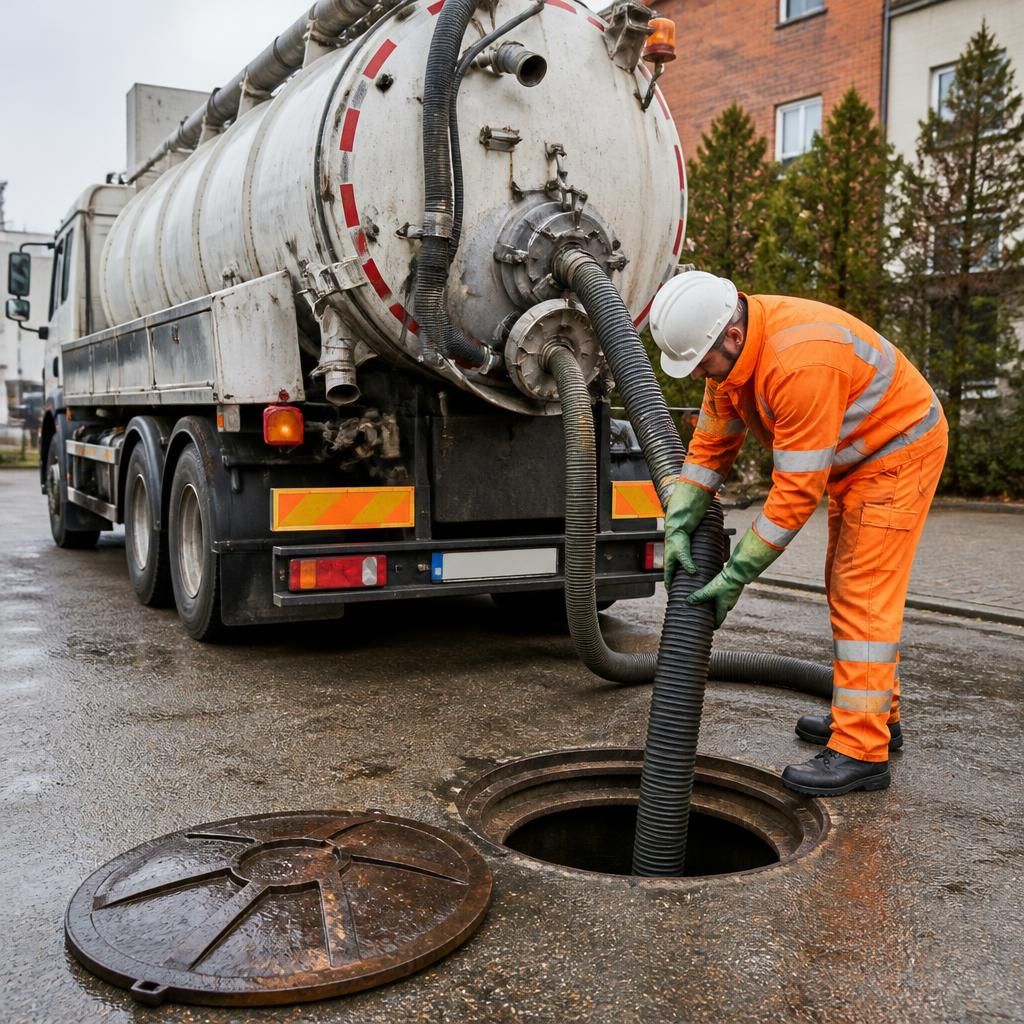
Sewage tank cleaning does not always require an entire site to stop operating. Where the drainage layout allows it, the affected tank or branch can be isolated while unrelated facilities remain in use. This depends on the connections, tank arrangement and whether continued discharge could interfere with safe cleaning.
Before work begins, the site should establish which facilities discharge to the tank and whether any separate drainage routes are available. A competent contractor can then confirm the boundaries of the restriction and identify activities that must pause. This may allow unaffected offices, units or processes to continue, while limiting disruption to the areas directly connected to the tank.
That arrangement should not be assumed without checking the system. Shared pipework, backflow risks or a high inflow of wastewater may mean that wider restrictions are necessary. The agreed isolation points and return-to-use conditions should be recorded so that staff do not reconnect facilities or resume discharge prematurely.
Discuss Your Sewage Tank Cleaning Requirements
Discuss your sewage tank cleaning requirements with Blue Fish Water Management Ltd to review site constraints, access arrangements and the information needed to plan the work. Share your site details so the appropriate cleaning and safety considerations can be identified before the visit.