
Who is responsible for arranging sewage tank cleansing?
Responsibility for arranging sewage tank cleansing normally rests with the property owner, operator or other person in control of the tank and its associated drainage system. A tenancy or facilities contract may assign the practical arrangements to another party, but the responsible duty holder should ensure cleansing is planned, carried out safely by a competent contractor and properly recorded.
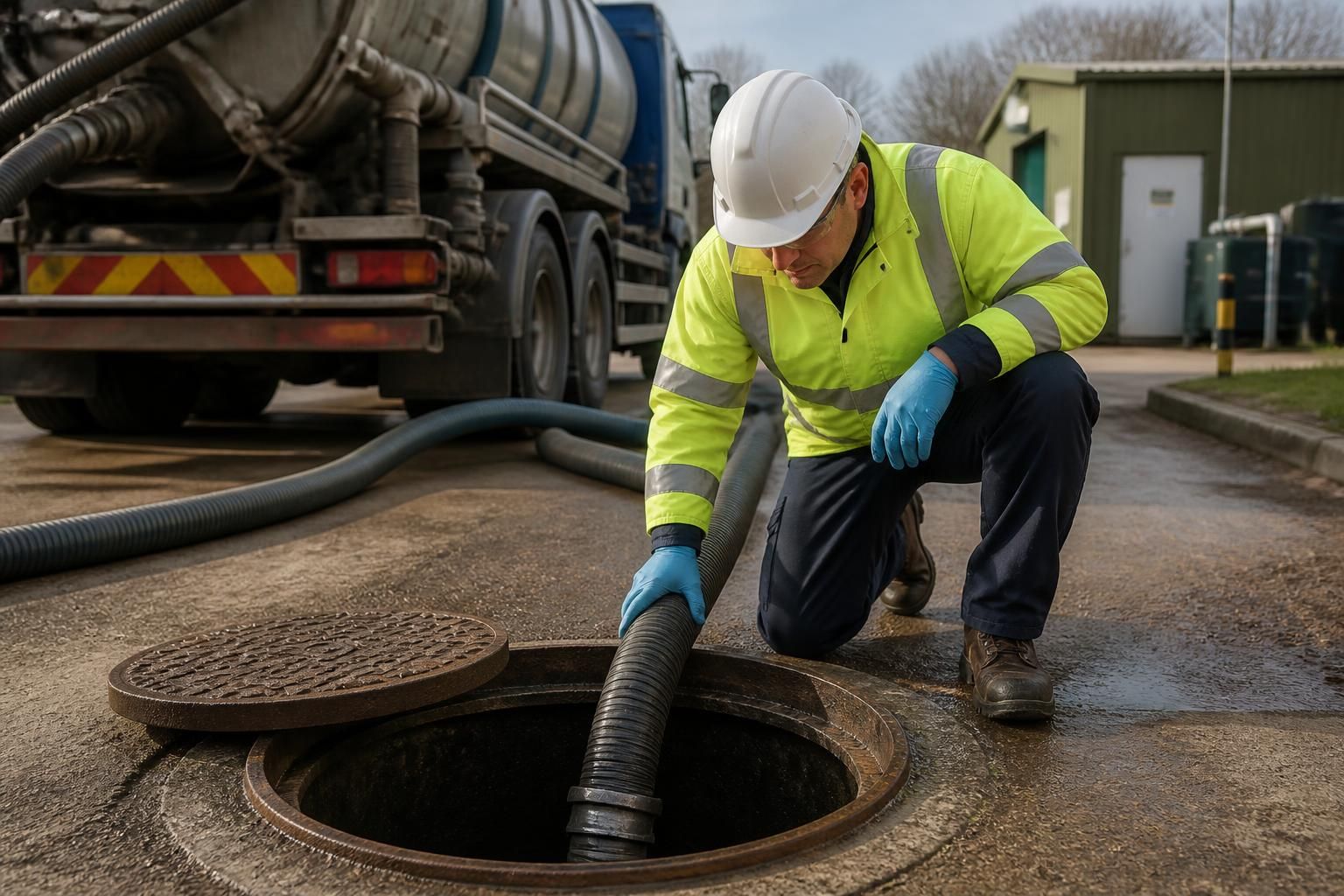
Responsibility for arranging sewage tank cleansing usually sits with the person or organisation that owns, operates or controls the tank and the premises it serves. This may be a property owner, landlord, occupier, facilities manager, site operator or public body. The precise allocation depends on the ownership arrangements, the tenancy or service contract, and who has day-to-day control of the drainage system.
A contract can transfer the practical task of booking a cleansing contractor, but it does not necessarily remove the underlying duty to keep the installation safe, functional and compliant. The party with overall control should therefore confirm who is responsible, what the contract requires and how completion will be evidenced. Where responsibilities are unclear, the owner and occupier should agree them in writing rather than assume that the other party will arrange the work.
Responsibility commonly falls to the following parties:
- Property owners: They will normally arrange cleansing for tanks serving buildings or land they own, particularly where no separate operator has been appointed.
- Landlords: A landlord may retain responsibility under the tenancy agreement, especially for shared tanks, communal drainage or systems serving several occupiers. The agreement should state whether routine cleansing, inspections and repairs are included.
- Tenants and occupiers: A commercial tenant may be required to arrange routine servicing where it has exclusive use of the premises or has accepted responsibility for drainage under the lease. This should be checked against the repairing and maintenance clauses.
- Facilities or property managers: A managing agent may organise the work on behalf of the owner, but the owner should retain suitable oversight and receive the relevant records.
- Businesses and site operators: An organisation operating a workplace, holiday site, agricultural installation or other commercial premises should ensure that the tank is maintained as part of its wider property, environmental and health and safety arrangements.
Where several businesses use the same tank, responsibility should be allocated between them. The arrangement should identify who monitors the tank, who authorises cleansing, how costs are divided, who provides access and who deals with defects or pollution risks. A shared system should not be left without an accountable duty holder simply because no single occupier uses it alone.
Before arranging work, the responsible party should establish the type and location of the installation. A septic tank, cesspool, holding tank and sewage treatment plant have different operating characteristics and may be subject to different environmental requirements. The tank owner or operator should also determine whether the system discharges to ground or surface water, or whether it stores sewage for removal. This information helps determine the appropriate maintenance and waste-disposal arrangements.
Routine cleansing should be planned using the tank manufacturer's or designer's maintenance recommendations, the site's usage and the findings from inspections. A fixed calendar interval may not be suitable for every installation. Higher occupancy, seasonal use, process wastewater, restricted capacity or changes in site activity can all affect how often cleansing is needed. The responsible person should monitor warning signs such as rising levels, slow drainage, odours, alarms, ponding or sewage backing up, rather than waiting for an overflow.
The person arranging the work should select a contractor able to carry out the task safely and legally. Competence checks should cover relevant experience, suitable tanker and extraction equipment, safe systems of work, access arrangements, insurance and the lawful transport and disposal of the removed sewage or sludge. The contractor should be given accurate information about the tank, its contents, location, access restrictions and any known hazards.
Sewage tank work can involve biological exposure, hazardous gases, vehicle movements, contaminated surfaces and confined-space risks. The tank should not be entered as part of ordinary cleansing. If access covers must be opened, the responsible party and contractor should assess risks including falls, unstable ground, traffic, lifting and exposure to gases. Any work requiring entry into a confined space needs a specific assessment, appropriate equipment, trained personnel and an effective rescue arrangement.
Good arrangements also cover what happens if the tank cannot be reached or cleansing cannot be completed. The responsible party should identify alternative access routes, security or traffic controls, the location of isolation points and the process for escalating defects. If the contractor finds structural damage, unsafe covers, inadequate capacity or evidence of a discharge, the issue should be recorded and referred for corrective action rather than treated as a routine cleansing visit only.
Records should be retained by the owner, operator or nominated facilities manager. Useful evidence includes:
- the date and location of the cleansing visit;
- the tank or system serviced;
- the volume or type of material removed, where recorded;
- the contractor's details and waste-carrier information;
- the destination or disposal documentation for the waste;
- any defects, access restrictions or safety issues identified;
- recommendations for repairs, monitoring or future cleansing; and
- evidence that remedial actions have been completed.
These records help demonstrate that maintenance has been considered and allow the next responsible person or contractor to understand the system's history. They are particularly important when a property changes hands, a tenant changes, several organisations share the installation or an environmental concern is raised.
In practical terms, the most reliable approach is to nominate one accountable duty holder, document any delegated tasks and retain oversight of the result. The nominated party should review the tank's condition and use, arrange competent cleansing, confirm lawful waste handling and act on defects. Blue Fish can provide broader water hygiene and compliance support where sewage infrastructure forms part of a wider site water-management review, helping organisations identify responsibilities and maintain clear records alongside their existing arrangements.
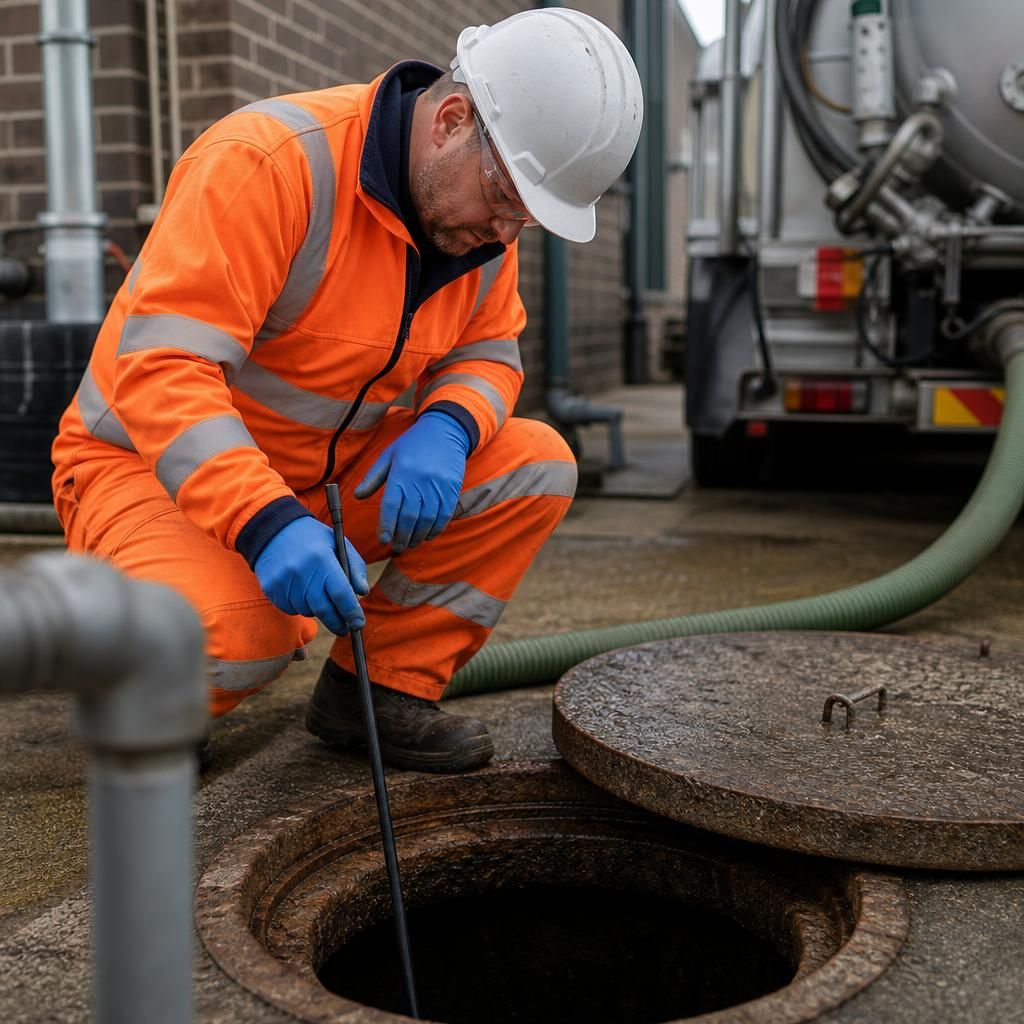
Responsibility can also depend on how the sewage installation operates, particularly whether it discharges treated effluent or stores sewage for removal. The owner or operator should establish which environmental permissions, conditions or maintenance duties apply to the system and make sure these are reflected in the site’s management arrangements.
This is important when a property has several parties involved. A landlord may control the land, a tenant may operate the business and a facilities provider may manage contractors, but the arrangements should identify who checks that the system remains within its permitted operating requirements. Responsibility should be reviewed if the discharge method, site use or ownership changes, rather than relying on an old contract or informal understanding.
Discuss your sewage tank cleansing responsibilities
If your organisation needs to clarify its sewage tank cleansing arrangements within a wider site water-management review, speak to Blue Fish about the appropriate compliance support for your premises.