
What does diesel tank cleaning involve?
Diesel tank cleaning involves inspecting the tank, making it safe to work on, removing fuel, sludge, water and other deposits, then cleaning the internal surfaces. The waste is handled for safe disposal, and the tank and fuel system are checked before the tank is returned to service.
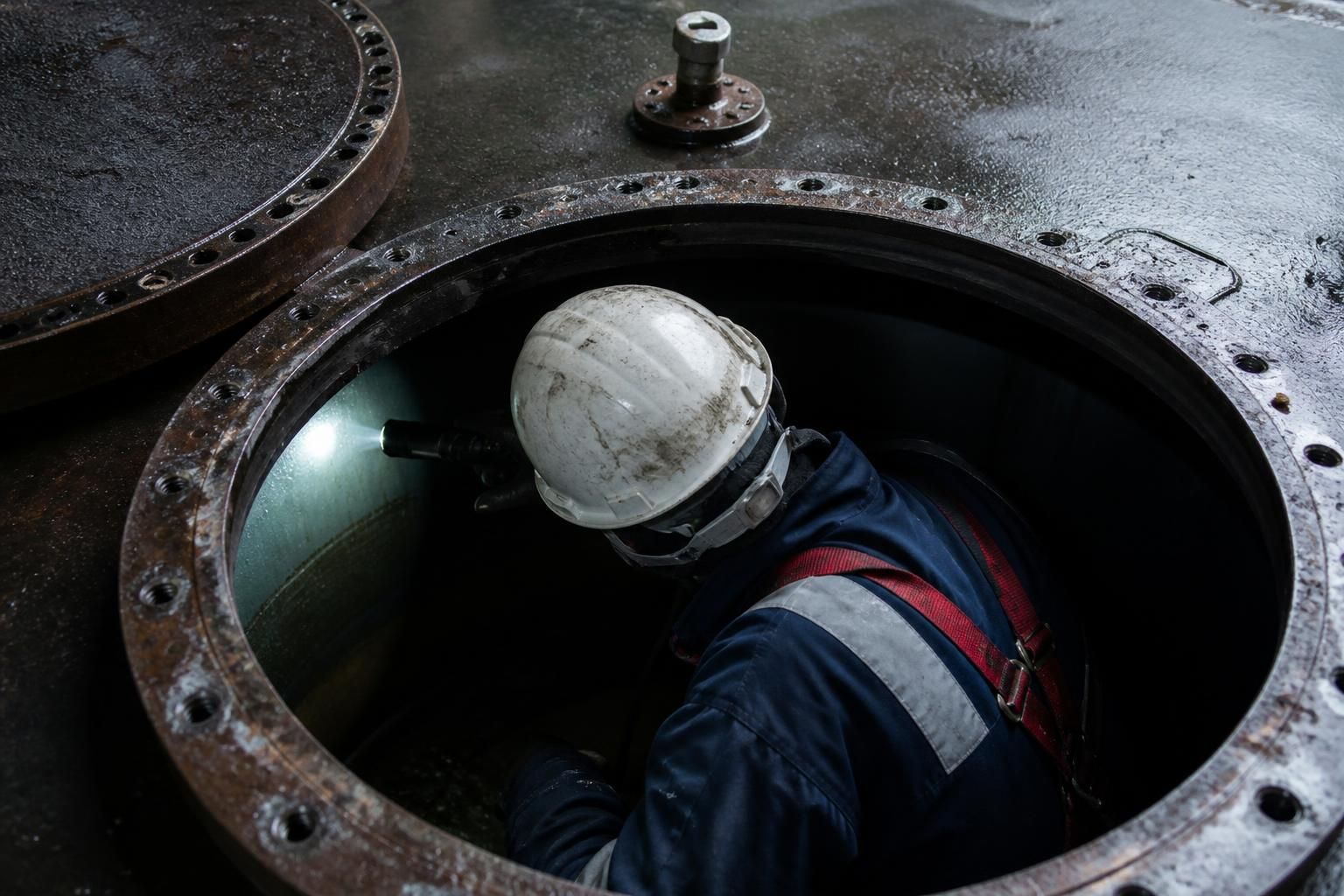
Diesel tank cleaning is a controlled maintenance process that combines safe isolation, removal of settled contamination, cleaning of accessible internal areas and inspection of the tank and associated equipment. The exact method depends on the tank’s size, construction, access arrangements, fuel condition and the type of deposits present.
- Planning and isolation: Before work starts, the tank, connected pipework, pumps and electrical equipment are assessed. The tank is isolated from the system so that fuel cannot enter unexpectedly, and ignition sources are controlled. The work method also considers access, ventilation, confined-space risks and the equipment required to remove waste safely.
- Assessing the tank and its contents: Initial checks help establish whether the tank contains free water, sludge, microbial growth, rust particles or degraded fuel. The condition of the access points, vents, suction arrangements, filters and visible external surfaces is also considered. This information determines whether the tank can be cleaned in place and which extraction and cleaning techniques are appropriate.
- Removing residual fuel and deposits: Remaining diesel is extracted using suitable equipment. Fuel that is in an acceptable condition may sometimes be separated or filtered for possible reuse, subject to its quality and the condition of the system. Water and heavier material normally settle at the lowest point, where sludge, sediment and corrosion debris can accumulate. These deposits need to be removed rather than simply mixed back into the fuel.
- Cleaning internal surfaces: The internal cleaning method may involve vacuum extraction, controlled washing, mechanical agitation or other specialist equipment. The aim is to remove residue from the tank base, walls, seams, pipe connections and other areas where contamination can remain. Cleaning must be controlled so that it does not damage protective coatings, tank fittings or connected equipment.
- Managing contaminated waste: Diesel, water, sludge, absorbent materials and cleaning residues are kept under control and stored in suitable containers. Their handling and disposal depend on the material’s composition and contamination level. Waste should be transferred through an appropriate disposal route, with records retained where required for environmental and operational compliance.
- Inspecting for defects: Once deposits have been removed, the exposed surfaces provide a clearer view of corrosion, pitting, coating failure, cracks, damaged welds and deterioration around fittings. A clean tank can therefore reveal issues that were hidden by sediment. Cleaning does not repair structural damage; defects may require separate remedial work or engineering assessment.
- Checking connected components: The tank is only one part of the diesel storage system. Suction pipes, return lines, valves, filters, gauges, pumps, vents and dispensing equipment may need attention if contamination has travelled beyond the tank. Filters in particular can contain material released during cleaning and may need inspection or replacement in line with the maintenance findings.
- Documenting the work: A professional cleaning record should identify the tank or system examined, the condition found, the work carried out, waste removed, defects noted and any recommended follow-up action. This creates useful evidence for maintenance planning, audits and future comparison.
Cleaning is not simply a matter of emptying a tank and rinsing it. Poorly controlled work can spread contamination, expose personnel to hazardous vapours, damage equipment or leave water and sludge behind. The process should therefore be based on a documented method statement and risk assessment, with suitable protective equipment, monitoring and waste controls.
Where contamination is persistent, the cleaning findings may also indicate a wider problem, such as water entering through damaged seals or an ineffective tank vent. Addressing the source is important; otherwise, a clean tank may become contaminated again. The final decision on whether fuel and equipment are suitable for continued use should be based on the inspection findings and any required remedial work.
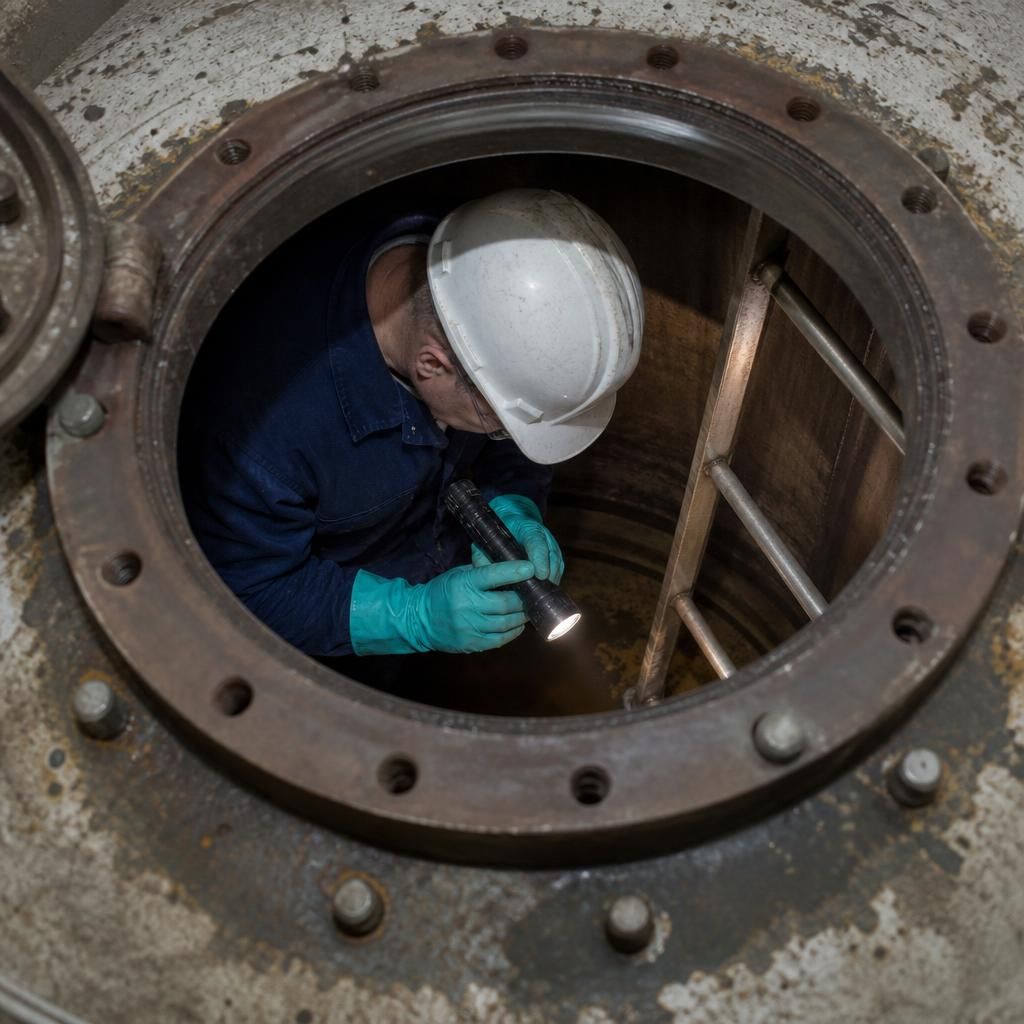
The cleaning method is selected according to the type of contamination found, because different deposits behave differently inside a diesel tank. Free water can collect beneath the fuel, while sludge may settle at low points or adhere to the base and walls. Microbial contamination is often associated with the fuel–water interface, and rust or corrosion debris may indicate deterioration of the tank rather than simple surface dirt.
This distinction matters because removing visible sediment alone may not deal with the underlying condition. The inspection findings help determine the level of cleaning required and whether further investigation of the tank, fuel or associated equipment is appropriate.
Discuss your diesel tank cleaning requirements
Discuss your diesel tank cleaning requirements with Blue Fish Water Management Ltd to establish an appropriate scope of work for your tank and fuel system.