
When should water storage tanks be disinfected?
Water storage tanks should be disinfected before being commissioned, after contamination or intrusive maintenance, and whenever a risk assessment identifies a hygiene concern. Disinfection may also be necessary following prolonged stagnation, changes to the system, or results that indicate inadequate water quality, with the timing determined by the system’s condition and intended use.
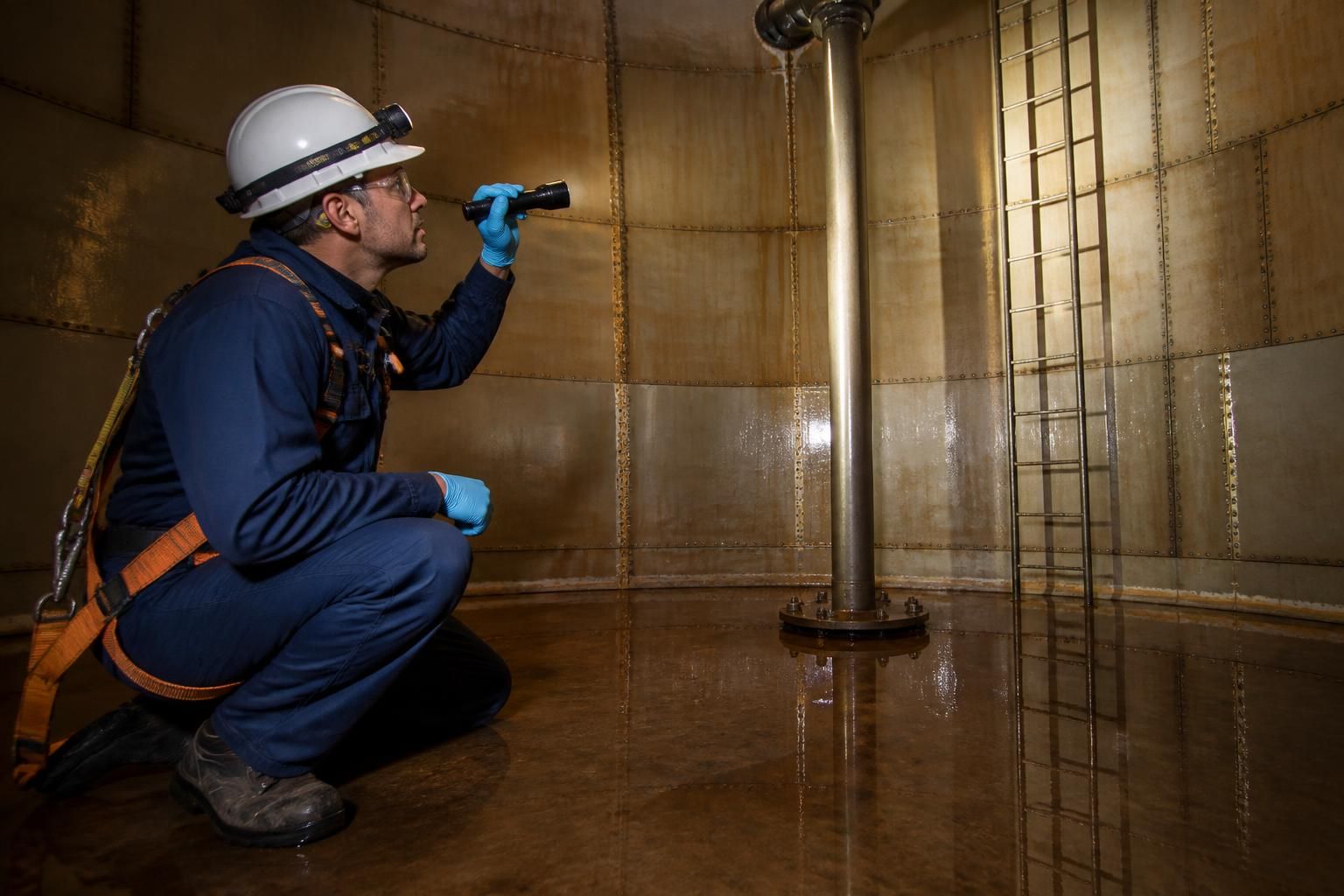
Water storage tanks should be disinfected when a documented water hygiene risk assessment, inspection, test result or system event shows that normal control measures are no longer sufficient. There is no universal calendar interval that applies to every tank. The appropriate timing depends on the tank’s condition, the way the system is operated, the users it serves and whether the water supply has been affected by work or contamination.
Disinfection should be planned rather than treated as an automatic routine. Regular inspection, temperature control, turnover, cleaning and monitoring are the primary controls for a storage system. Disinfection is an intervention used where those controls have been compromised or where the tank presents a microbiological risk. Repeating disinfection without identifying the underlying cause can provide only temporary improvement.
A risk assessment should consider factors such as:
- the tank’s internal condition, including sediment, scale, corrosion, biofilm or debris;
- whether water is being stored for long periods or the system has areas of poor circulation;
- the temperature profile and whether the system is maintaining the control measures specified for it;
- the type of premises and the vulnerability of people exposed to the water;
- the age, design and maintenance history of the tank and connected pipework; and
- any recurring test results, complaints or other evidence suggesting a deterioration in water quality.
There should not be a fixed interval unless the written control scheme supports one. Some organisations may include planned tank cleaning and disinfection within their water hygiene programme, while others may require it only after inspection or monitoring identifies a defined need. The frequency should be justified by the risk assessment and reviewed when the system, building use or occupancy changes.
Tank condition is particularly important when deciding whether disinfection is appropriate. A tank containing visible deposits or organic matter may need cleaning before chemical disinfection can be effective. Disinfection does not remove every physical defect, repair a damaged lining or correct a poorly designed system. Where defects are found, remedial work may be needed alongside, or instead of, disinfection.
The timing of the work also needs to take account of the wider water system. The tank may supply outlets, process equipment or safety-critical facilities, so the system should be assessed before it is isolated. A suitable plan should identify the affected services, any temporary arrangements, the chemicals and contact conditions to be used, and the checks required before the supply is brought back into normal use.
Following disinfection, the tank and connected system should be flushed and checked in accordance with the applicable procedure. Where sampling is required, samples should be taken using a method suitable for the investigation and interpreted by a competent person. A satisfactory result does not remove the need to maintain the controls that prevented the problem in the first place.
Disinfection may also be considered when inspection or monitoring shows that a tank has not been maintained in the condition expected by the site’s written scheme. In that situation, the decision should record:
- the evidence that prompted the work;
- the parts of the system included and excluded;
- the method and acceptance criteria;
- the flushing, sampling and verification arrangements; and
- any follow-up repairs, monitoring or review required.
For business premises, the duty holder or responsible person should ensure that the decision is supported by the water hygiene risk assessment and that the work is carried out by a suitably competent contractor. Records should demonstrate why disinfection was required, what was done and why the system was considered suitable to return to service. Blue Fish Water Management can provide risk-based advice, water testing and disinfection support where a business needs to assess the condition of its storage system and select an appropriate control measure.
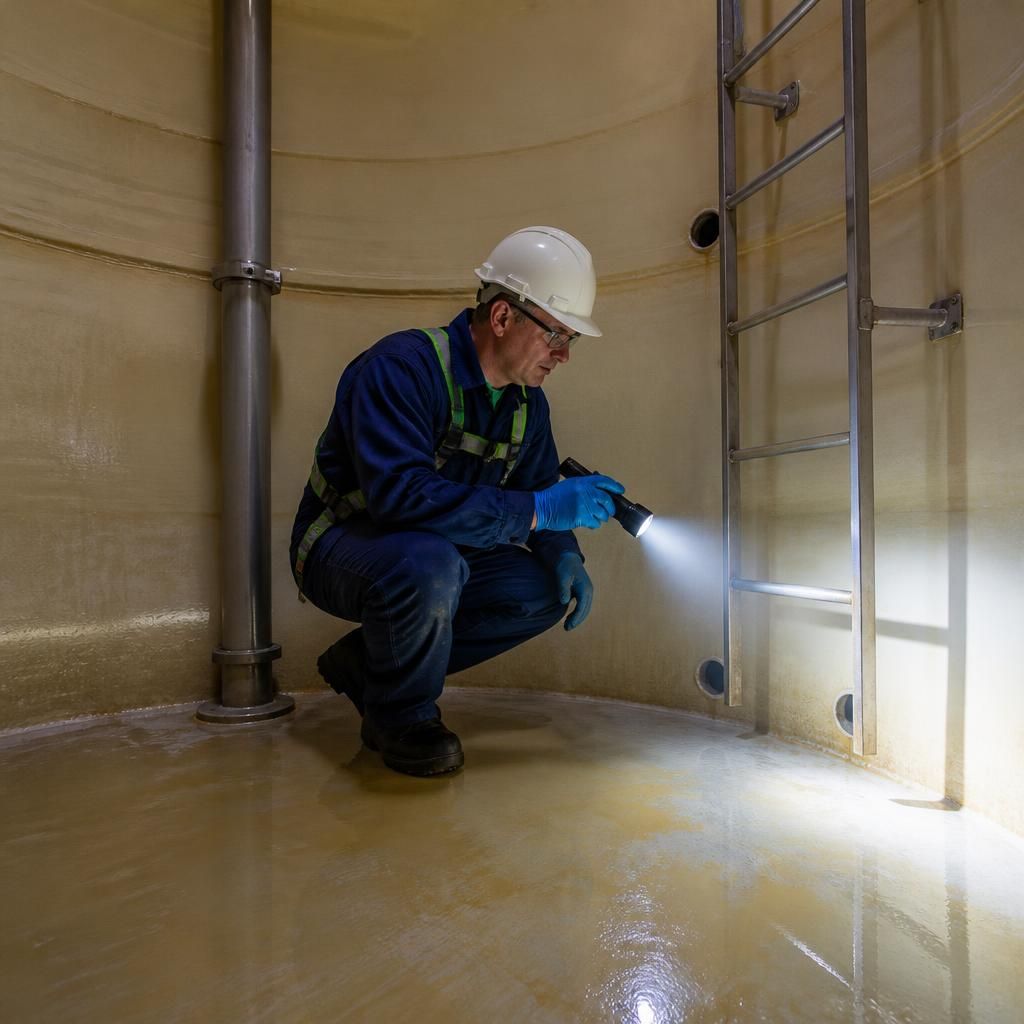
The timing of water storage tank disinfection should also reflect how the tank supports the premises. Before work begins, the responsible person should identify the outlets, equipment and occupants that may be affected by isolation, then agree suitable temporary arrangements where necessary.
Planned disinfection should be scheduled when the system can be safely taken out of service and the work can be completed without leaving partially treated water in the tank or connected pipework. The return-to-service process should include flushing, any required sampling and confirmation that the supply is suitable for normal use. This approach helps prevent operational pressures from shortening contact times or leaving verification incomplete.
Discuss when your water storage tank needs disinfection
If you need to determine whether disinfection is appropriate for your water storage tank, speak to Blue Fish Water Management about a risk-based review of the system and its maintenance records.