
Who is responsible for approving water storage tank disinfection before the system returns to service?
The responsible person for the premises or water system is accountable for approving water storage tank disinfection before the system returns to service. They should review the competent contractor’s completion records and post-disinfection water test results, then confirm that the system is safe and compliant for use; the contractor or laboratory provides evidence but does not take over that legal responsibility.
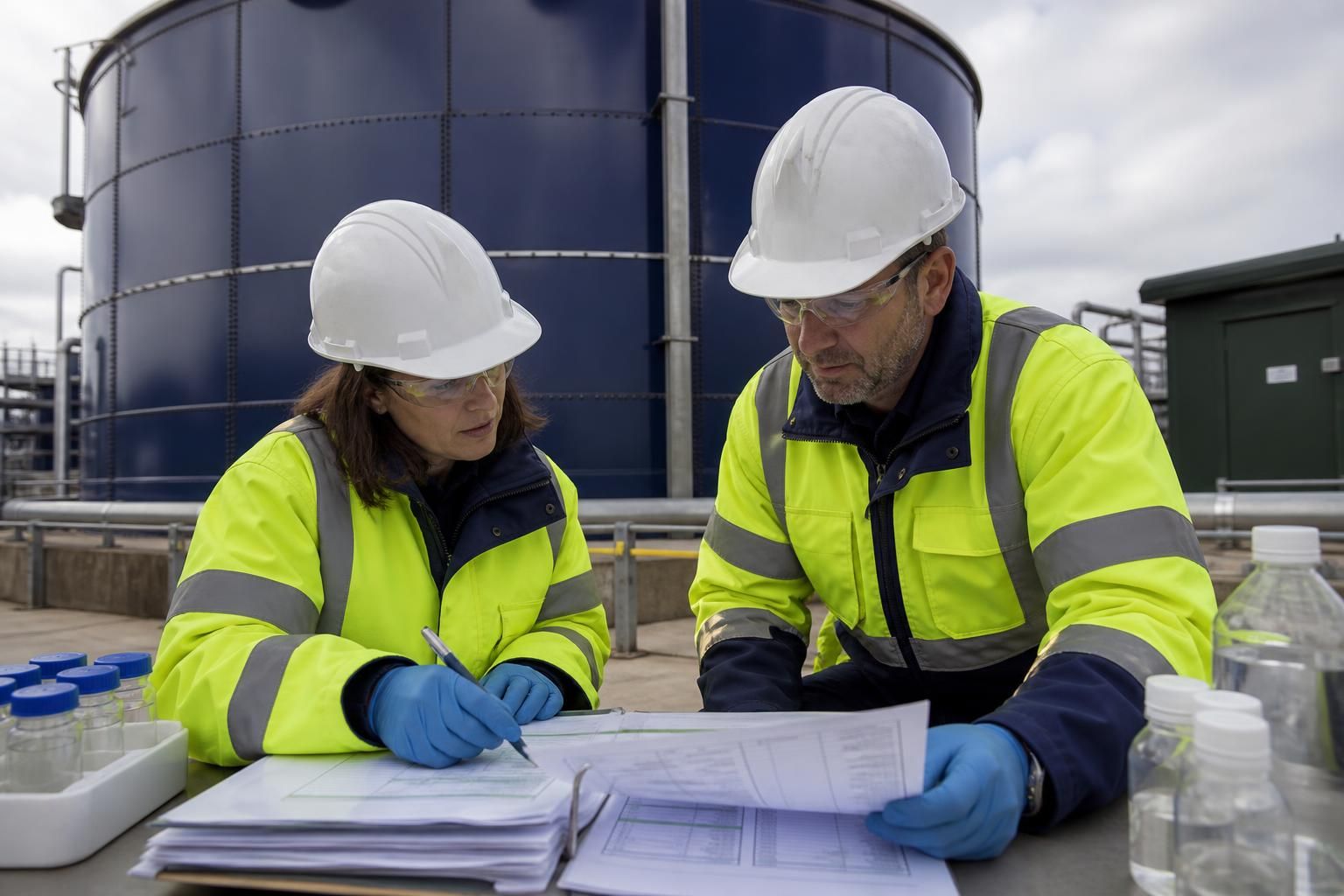
The responsible person for the premises or water system retains responsibility for authorising a disinfected water storage tank to return to service. This person may rely on a competent water hygiene contractor and an appropriately qualified laboratory for technical evidence, but appointing those specialists does not transfer the duty to manage the system safely.
In practice, the responsible person is usually the person who controls the premises, building services or water system. Depending on the organisation, this may be a facilities manager, building owner, managing agent, employer, housing provider or estates team. Where responsibilities are shared, they should be defined in writing so that it is clear who reviews the disinfection evidence and makes the final operational decision.
Approval should be based on documented evidence rather than on the completion of the cleaning or chlorination work alone. A contractor can confirm what was done, identify any limitations and recommend whether the tank is suitable for recommissioning. The responsible person should then assess that information against the site's water safety plan, risk assessment and relevant control arrangements.
The evidence normally considered includes:
- the scope and reason for the disinfection;
- the tank or system identification, including any sections that were excluded or could not be accessed;
- the method used, contact conditions and relevant disinfectant measurements;
- records showing that the system was flushed and returned to acceptable operating conditions;
- post-disinfection microbiological sample results from a competent laboratory;
- details of any failed, unsuitable or inconclusive samples; and
- recommendations for remedial work, monitoring or repeat disinfection.
The laboratory provides analytical results; it does not generally decide whether the entire water system can return to service. A result must be interpreted in context, including the sampling location, the purpose of the disinfection, the condition of the tank and the wider distribution system. For example, a satisfactory sample from the tank may not demonstrate that downstream outlets are safe if parts of the system have not been adequately flushed or disinfected.
Similarly, a contractor's completion certificate is evidence of the work carried out, not an automatic release certificate. If the work identifies corrosion, sediment, damaged coatings, inaccessible areas, dead legs or other defects, the responsible person should consider whether those issues prevent effective control. Disinfection may reduce contamination temporarily without resolving the underlying cause, so the return-to-service decision should account for any outstanding remedial measures.
UK water hygiene arrangements are commonly managed in line with the principles of the Health and Safety Executive's Approved Code of Practice L8 and the technical guidance in HSG274. These place emphasis on appointing competent people, assessing risk, implementing suitable control measures and keeping adequate records. They do not create a universal rule that one particular contractor, laboratory or job title must approve every tank. The key requirement is that the organisation has a clearly assigned duty holder who is competent to make, or obtain competent advice for, the decision.
Where the responsible person is not technically qualified to interpret the findings, they should obtain advice from a competent water hygiene professional rather than signing off information they do not understand. That advice should explain whether the disinfection objectives were met, whether further work is required and what controls should apply if the system is placed back into use. A decision to resume service should not be based solely on convenience or the need to restore supply.
Before authorising use, the responsible person should also confirm that:
- the tank and associated pipework have been reinstated correctly;
- disinfectant has been removed or reduced to an appropriate level by flushing;
- the water is suitable for its intended use and any necessary test results have been reviewed;
- temporary controls, such as isolation or warning notices, can be removed safely;
- users or affected departments have been informed where relevant; and
- the water safety plan, asset records and monitoring schedule have been updated.
The final approval should be recorded with the date, the identity and role of the person authorising it, the documents reviewed, any conditions attached to the approval and the actions still outstanding. If results are unsatisfactory or the evidence is incomplete, the tank should remain isolated, or be operated only under a documented temporary control arrangement, until a competent assessment establishes that it is safe to resume normal service.
In short, the contractor performs and documents the technical work, the laboratory reports the analytical findings, and the responsible person makes the accountable return-to-service decision using that evidence.
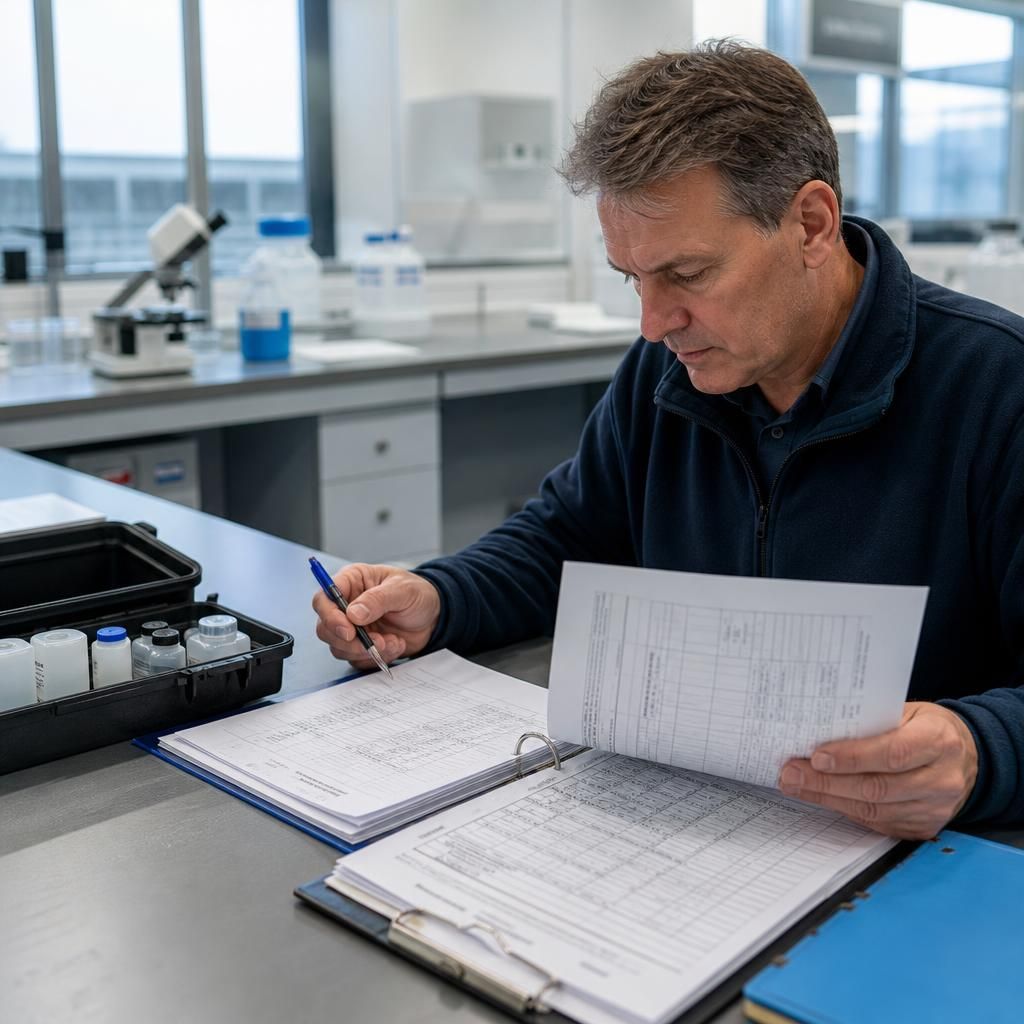
Approval to return a water storage tank to service is normally an internal duty-holder decision, not a sign-off issued by the water company, local authority or laboratory. Those organisations may have separate regulatory, analytical or supply-related roles, but they do not routinely approve every tank disinfection. The organisation responsible for the premises must therefore retain a clear audit trail showing who made the decision and on what basis.
Where a site uses a managing agent, maintenance provider or outsourced facilities team, the contract should distinguish between carrying out the disinfection, providing technical advice and authorising recommissioning. A named person should have sufficient authority to keep the tank isolated if the evidence is incomplete, even where operational teams are under pressure to restore the supply. This separation helps prevent a contractor’s completion record being mistaken for formal approval.
Need advice on approving tank disinfection?
If you need help interpreting disinfection records or identifying evidence still required before recommissioning, speak to Blue Fish Water Management Ltd about a documented review of the tank’s return-to-service arrangements. Their water hygiene specialists can help identify gaps and outline appropriate next steps.