
How much disruption does water storage tank disinfection cause?
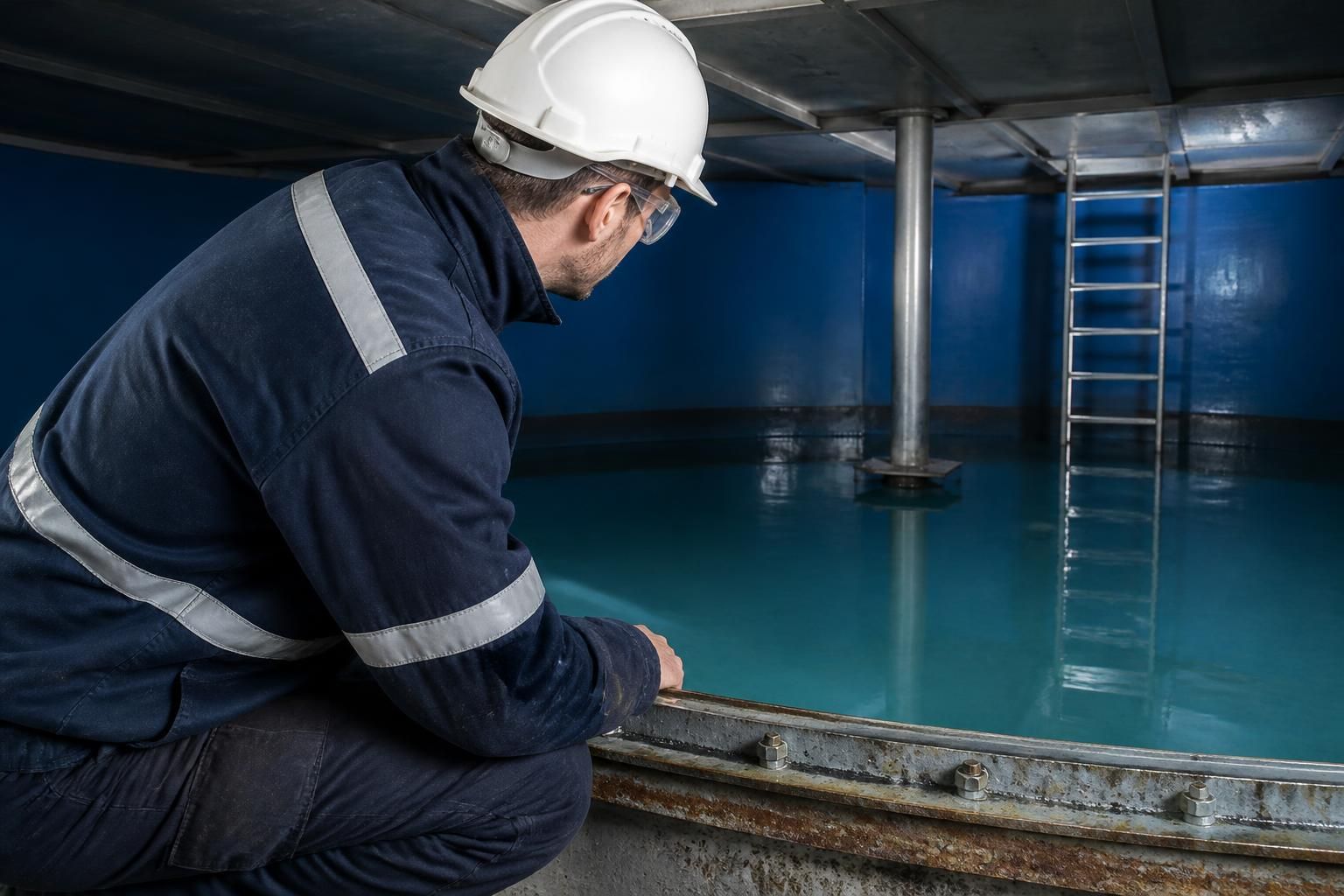
Water storage tank disinfection usually creates a planned, temporary interruption rather than prolonged disruption. The greatest effect is normally on outlets supplied by the tank: these may be unavailable while the system is isolated, and may remain restricted while the supply is flushed, checked and formally returned to service. Other parts of a building may be unaffected if they are supplied independently.
The actual impact depends on the system’s arrangement and its operational importance. A site with separate tanks, duty-and-standby equipment or an alternative mains supply may be able to maintain some services while work takes place. A single tank supplying the whole building is more likely to require a wider shutdown. The contractor should establish which outlets, processes and occupants rely on the tank before proposing the work.
Disruption can affect more than drinking-water outlets. Businesses should consider toilets, showers, catering facilities, healthcare or care activities, production processes, cleaning operations, fire-related arrangements and any equipment that relies on a continuous water supply. Where water is used in a process, stopping the supply may also affect stock, hygiene controls or planned operations. These dependencies should be included in the method statement and site risk assessment.
Good planning reduces avoidable interruption. Before the work starts, the responsible person and contractor should agree:
- which areas and outlets will be affected;
- how the isolation will be controlled and who is authorised to operate the relevant valves;
- how occupants, tenants, facilities teams and affected contractors will be informed;
- whether temporary supplies or alternative facilities are needed;
- where water used for flushing and cleaning will be discharged safely;
- what conditions must be met before the system is put back into normal use.
The work may also create short-term practical impacts at the tank location. Access may be needed for inspection, cleaning equipment, hoses, dosing equipment or sampling. Tank rooms can become busy work areas, and drainage, wet surfaces or restricted access may require temporary controls. If the tank is in a plant room, roof space or other operational area, the contractor should coordinate access with the site’s permit-to-work and health and safety arrangements.
There is no reliable universal duration for the disruption. The time required is influenced by tank size and condition, the number of linked tanks, pipework configuration, access, drainage arrangements, the chosen disinfection method and whether remedial work is identified. A straightforward installation with suitable isolation and drainage may have a narrower operational impact than a system with poor access, defective valves, contamination concerns or multiple connected sections.
Recommissioning should not be treated as an automatic point at which normal use resumes. The system may need controlled flushing and verification that disinfectant has been removed or reduced to an acceptable level. Depending on the circumstances, this can include water quality checks, microbiological sampling or other evidence required by the site’s procedures and risk assessment. The responsible person should know who is approving the return to service and what records are being retained.
To minimise business interruption, schedule the work around the activities most dependent on the supply, make sure isolation and drainage points are usable, and resolve access or valve defects before the planned disinfection date where possible. Keep a clear record of the affected areas, communications, treatment, checks and any follow-up actions. This gives the facilities team a practical basis for managing the shutdown and demonstrates how the work was controlled.
Blue Fish Water Management can help businesses assess the operational implications of tank disinfection alongside their wider legionella control arrangements. Its approach can include reviewing system information, identifying compliance requirements and setting out practical controls so that the necessary work is completed without creating avoidable disruption.
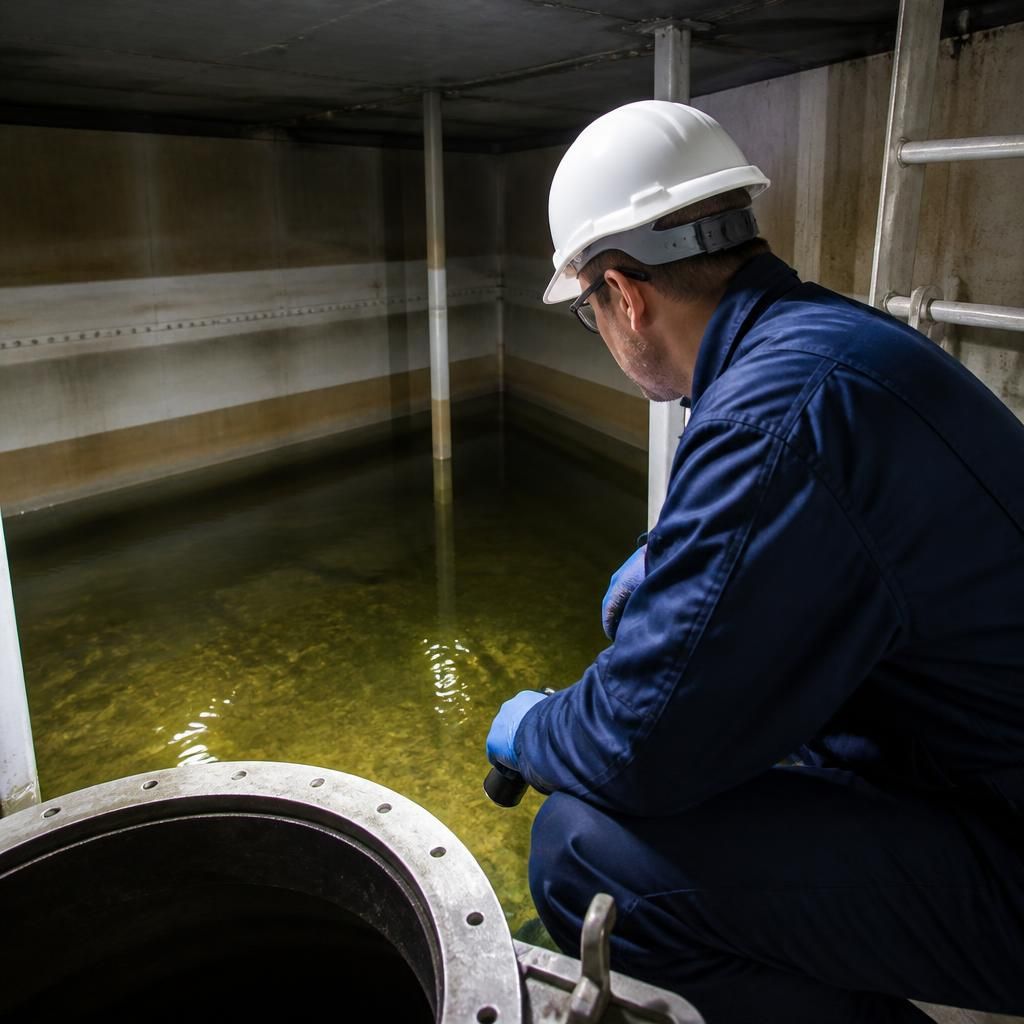
The level of disruption is often greater when disinfection is carried out reactively than when it forms part of a planned maintenance programme. Planned work allows the site team to coordinate access, arrange affected activities and confirm the system’s configuration before isolation. This makes the interruption more predictable.
Reactive disinfection may follow a concerning water quality result, suspected contamination or an incident affecting the system. In these circumstances, the priority is controlling the water safety risk rather than fitting the work around normal operations. Additional investigation, corrective work or further checks may also be needed before the system can be considered suitable for normal use.
For this reason, businesses should not judge disruption solely by the time spent cleaning and dosing the tank. The condition that led to the disinfection, the evidence needed to support recommissioning and any underlying defects can all influence the overall effect on operations.
Discuss Your Water Storage Tank Disinfection Requirements
Contact Blue Fish Water Management to discuss your water storage tank disinfection requirements and the practical controls needed before work begins. A review of your system can help establish the appropriate approach and support compliant planning.