
What should a clean water tank cleaning method statement include?
A clean water tank cleaning method statement should explain the work sequence, identified hazards, control measures, isolation and access arrangements, and the equipment and personal protective equipment required. It should also cover cleaning and disinfection procedures, reinstatement, post-cleaning water testing, waste handling, and the records needed to demonstrate that the work was completed safely and in line with UK water hygiene requirements.
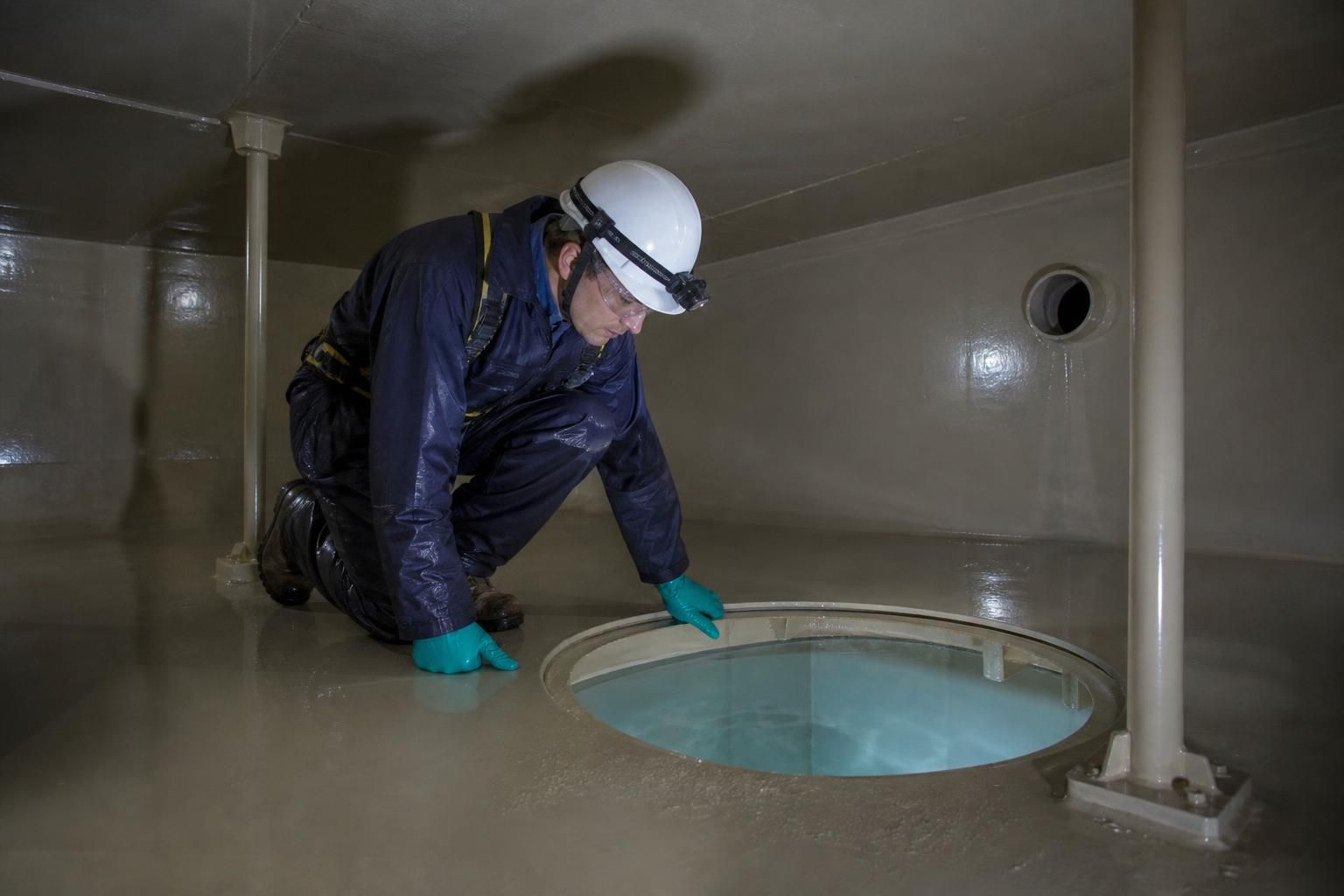
A clean water tank cleaning method statement is a site-specific document that sets out how the task will be managed, carried out, checked and recorded. It should translate the findings of the relevant risk assessment into a clear working procedure, so that everyone involved understands the planned method, their responsibilities and the evidence required before the tank and associated water system are returned to service.
Document control and scope
The method statement should identify the site, tank or tanks covered, the document author, approval arrangements, issue date and revision status. It should state precisely what is included in the work and what is outside its scope. Useful system information may include the tank location, capacity, construction, number of compartments, inlet and outlet arrangements, connected outlets and whether the tank forms part of a potable water system or another managed supply.
This information prevents a generic procedure from being applied to the wrong installation. Drawings, asset registers, photographs or previous inspection reports can be referenced where they help the operative understand the equipment and its connections. If site conditions differ from the information used to prepare the document, the method statement should explain who can review and approve a change before work continues.
Responsibilities and communication
Named roles should be clear. The document may identify the person in control of the work, the competent operative undertaking the cleaning, the site representative authorising access and isolation, and the person responsible for reviewing test results before reinstatement. It should also explain how instructions will be briefed to the team and how affected occupants, facilities staff or other contractors will be informed about any temporary change to the water supply.
A briefing or site induction should be recorded, including confirmation that operatives understand the method, relevant hazards and escalation arrangements. The method statement should not rely on one person’s informal knowledge of the installation.
Links to the risk assessment and site rules
The document should cross-reference the task-specific risk assessment, permit requirements and any relevant site procedures. Where the work involves entry into a tank, restricted access or a potentially confined space, the arrangements must address that particular risk rather than assuming ordinary access conditions. The need for a formal confined-space assessment, rescue provision or specialist controls depends on the tank design and the task.
It should also identify foreseeable changes in conditions, such as unexpected water levels, poor internal condition, biological contamination, damaged access equipment or an inability to achieve a secure isolation. Operatives need clear stop-work and escalation instructions for these circumstances. A method statement is not effective if it tells a team to continue when the assumptions on which it was based are no longer valid.
Water quality and contamination controls
For a tank supplying potable water, the procedure should explain how contamination will be prevented before, during and after the work. This can include controls for tools, footwear, clothing, cleaning materials, temporary hoses and any equipment brought into contact with the tank or water. Materials should be suitable for the intended use, and the method should distinguish between products used for physical cleaning and those used for disinfection.
The document should identify how chemical products will be controlled, including the applicable product information, storage, handling, contact requirements and arrangements for removing or neutralising residual solution where relevant. It should not simply state that the tank will be disinfected without describing how the process will be verified as suitable for that installation.
Acceptance criteria and return to service
A sound method statement defines what must be satisfactory before the tank is put back into use. This may include a visual inspection of internal surfaces and fittings, confirmation that temporary materials have been removed, checks that covers and access points are secure, and confirmation that valves and controls have been restored to their intended positions.
It should specify the required water sampling arrangements, including where samples are taken, what testing is requested, who performs it and how results are assessed. If results are unsatisfactory, the document should state who decides whether further flushing, investigation, repeat cleaning or other action is required. Test results should be interpreted in the context of the water system and the applicable management plan, not treated as a standalone formality.
Waste, damage and unexpected findings
The procedure should explain how removed sediment, sludge, contaminated water, used materials and chemical residues will be contained and disposed of in accordance with site and environmental requirements. It should also cover what happens if cleaning reveals corrosion, cracked components, defective seals, damaged coatings or other conditions that may affect water quality or the tank’s safe operation.
Cleaning personnel should not be expected to make unapproved structural repairs. The method statement should provide for recording defects, taking suitable photographs or measurements where appropriate, notifying the responsible person and separating remedial recommendations from the cleaning activity itself.
Records and review
The completed work pack should provide a traceable record of the procedure used. Depending on the installation, this may include the approved method statement and risk assessment, briefing records, permits, isolation confirmations, product details, inspection findings, cleaning and disinfection records, waste documentation, photographs, laboratory reports and details of any deviations.
The final section should state when the method statement must be reviewed. Review is appropriate after a significant change to the tank or connected system, an incident or near miss, an unexpected finding during the work, a change in the cleaning product or equipment, or evidence that the original procedure did not control the task adequately. Referencing the site’s water safety arrangements and relevant UK guidance, including HSE guidance on legionella control where applicable, helps keep the document aligned with the wider compliance system.
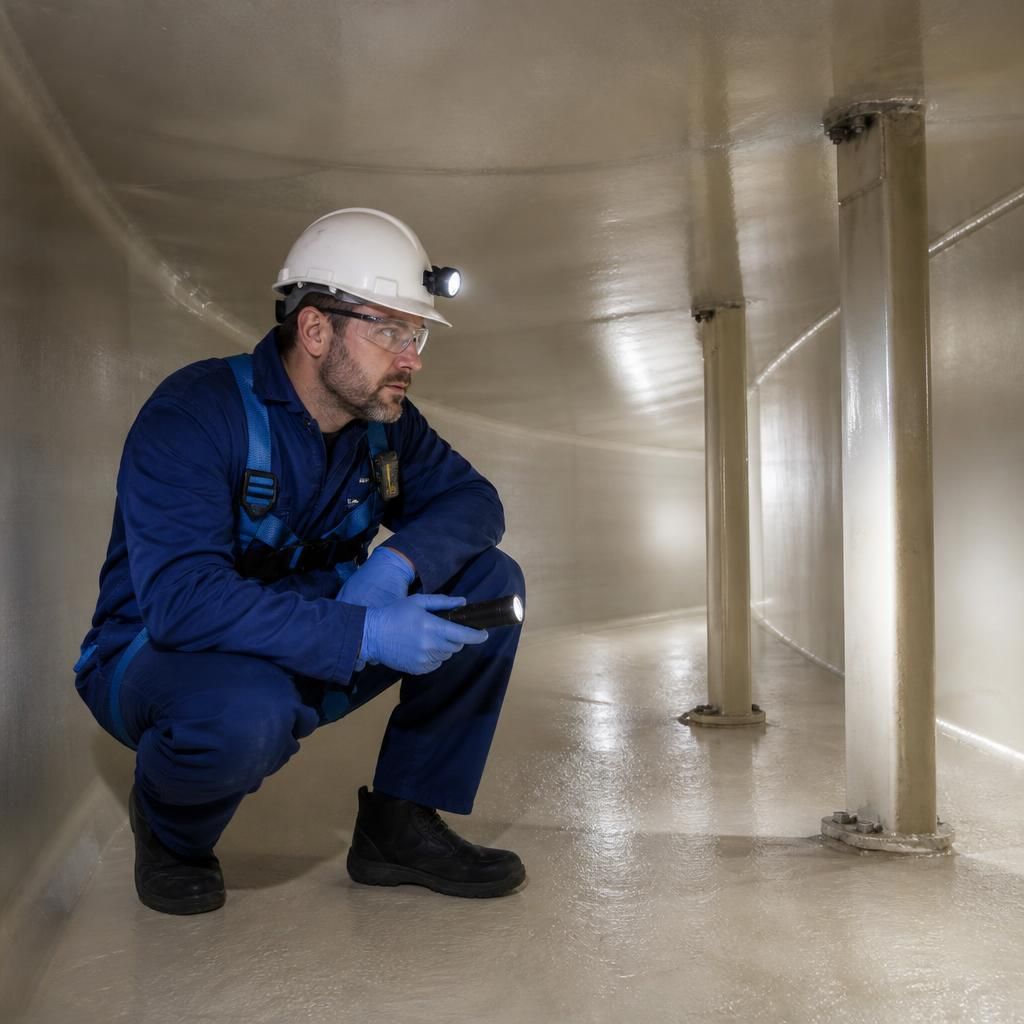
A clean water tank cleaning method statement should make the system boundary explicit. Cleaning the tank does not, by itself, demonstrate that downstream pipework, fittings or outlets have been disinfected or verified. The document should therefore state whether the work covers the tank only, the connected distribution system, or a separate disinfection activity, and identify any parts that remain outside the task.
This distinction prevents the completion of tank cleaning from being treated as evidence that the whole water system is ready for use. Where other components require separate checks, the method statement should point to the responsible procedure and explain what confirmation is needed before normal operation resumes.
Get advice on your clean water tank cleaning method statement
If you need to confirm whether your clean water tank cleaning method statement is suitable for the installation and proposed work, speak to Blue Fish Water Management Ltd for practical guidance. Their team can help identify any gaps before the document is approved and used on site.