
Which pool chlorination service suits your swimming pool?
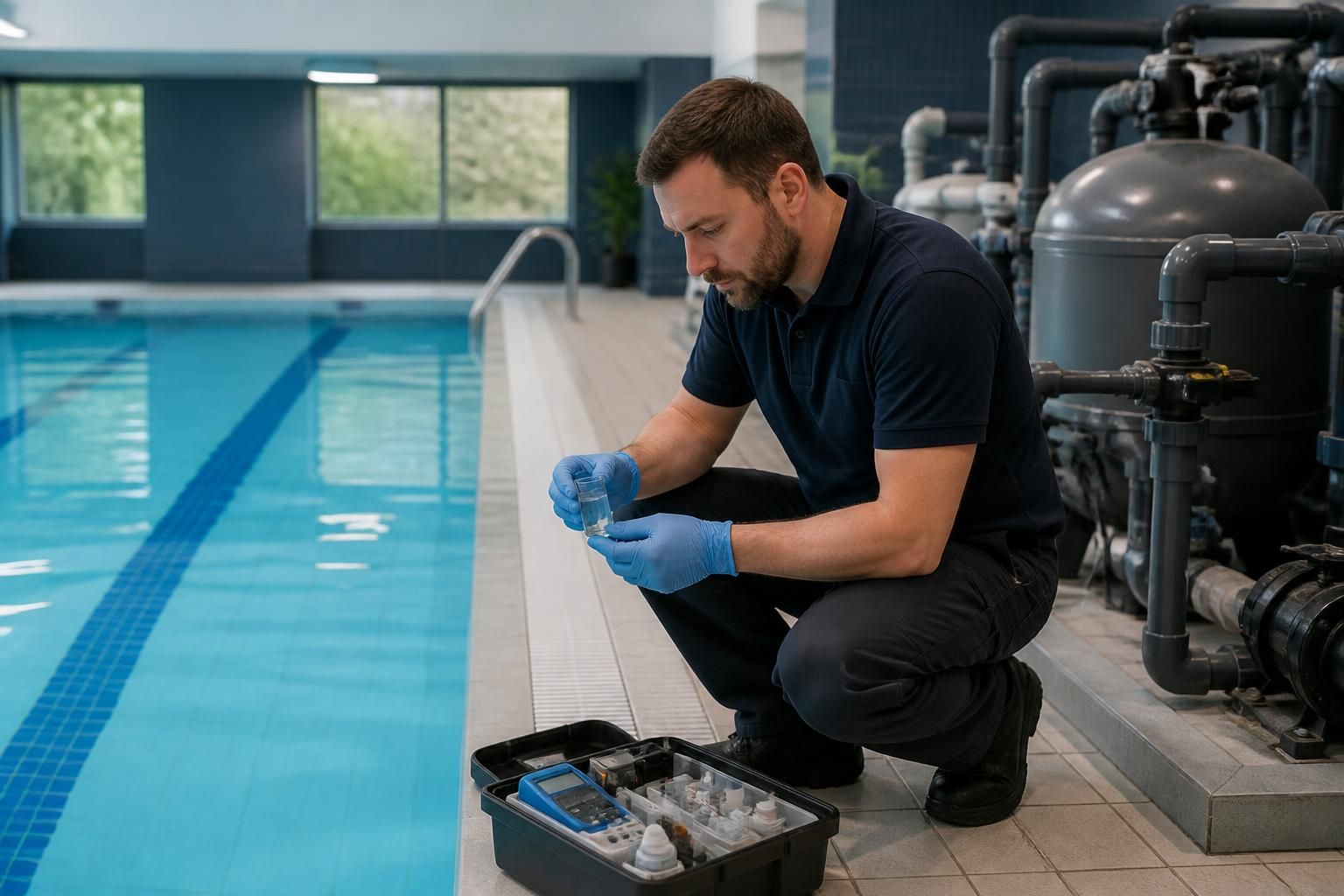
The most suitable pool chlorination service is determined by the pool’s operational risk and the level of control already in place. A pool that is well maintained but needs independent assurance may require targeted testing, while a pool with uncertain chemical control, poor records or evidence of contamination may need a structured review followed by remedial work and continued monitoring.
Independent water testing is appropriate when the operator needs objective evidence of water quality. This may support routine compliance checks, investigate unusual results, verify the performance of an existing treatment regime or provide assurance after maintenance work. Testing should be considered alongside records for disinfectant levels, pH, water temperature, filter operation and any corrective actions, rather than treated as a substitute for day-to-day control.
A pool chlorination review is more suitable where the system appears difficult to control or results are inconsistent. The review can consider the dosing arrangement, chemical storage, circulation and filtration, plant operation, sampling points, operating procedures and the competence of those carrying out checks. It should also take account of how the pool is used, including the type of users, bathing patterns and any connected water systems that could affect the wider risk profile.
Remedial chlorination may be required when testing or inspection identifies an immediate water hygiene concern. This is not simply a matter of adding more disinfectant. The underlying cause must be understood, such as inadequate circulation, dosing equipment faults, contamination, poor filtration or a failure to follow the operating procedure. Corrective work should be controlled, recorded and followed by suitable verification before normal operation resumes.
Regular monitoring suits pools that require continuing oversight but do not need a fully managed service. It can include planned sampling, review of operating records and checks that control measures remain effective. This approach is particularly useful where the pool operator retains responsibility for routine plant operation but wants technical input to identify deteriorating performance before it becomes a larger issue.
Ongoing pool chlorination management is generally the better option where water treatment is complex, the pool is heavily used, several people share operational duties or the organisation needs a consistent external review. A managed arrangement may combine scheduled sampling, trend analysis, compliance advice, system monitoring, staff guidance and recommendations for remedial works. The purpose is to create a repeatable control process rather than rely on occasional intervention after a problem has appeared.
When comparing these options, consider:
- the pool’s purpose and user group;
- the condition and design of the circulation, filtration and dosing equipment;
- the reliability of existing disinfectant and pH records;
- the availability and quality of written operating procedures;
- the findings of previous inspections, tests or incidents;
- who carries out routine checks and who reviews the results; and
- whether the organisation needs testing only, technical advice, corrective work or continuing oversight.
A one-off test can identify a result, but it may not explain why that result occurred. Conversely, a full management arrangement may be unnecessary if the pool has a competent operator, dependable plant and well-maintained records. The proportionate choice is the service that addresses the identified control gap and can be supported by clear responsibilities.
Blue Fish Water Management can advise on the appropriate level of pool chlorination support, including water testing, system monitoring, compliance review and remedial action. The recommendation should follow a review of the pool’s operating arrangements and available records, so that the service reflects the actual water hygiene requirements rather than applying the same solution to every pool.
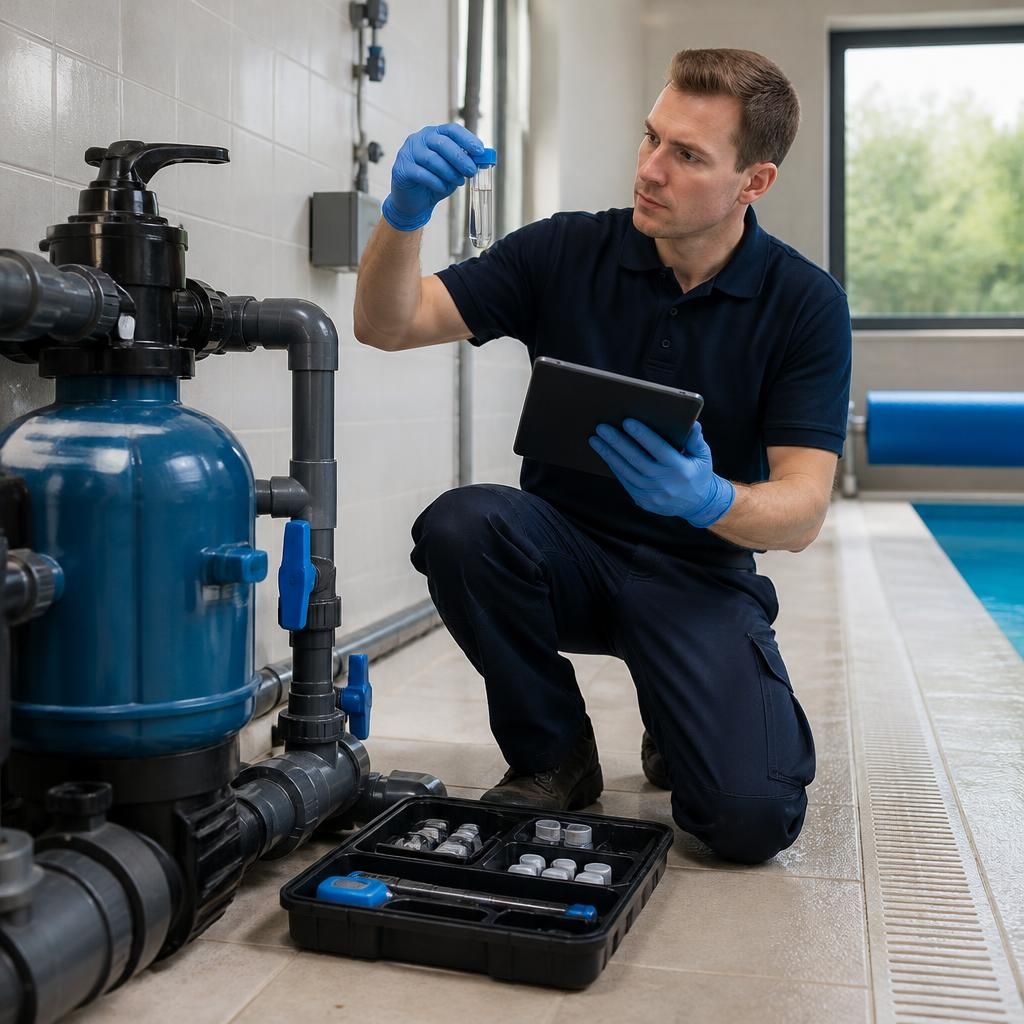
The most suitable pool chlorination service is the one that provides the evidence and actions needed for the pool’s specific control arrangements. Before appointing a provider, ask what the service will produce and how findings will be communicated to the people responsible for the pool.
- a clearly defined sampling and inspection schedule;
- records showing the tests completed and the results obtained;
- an explanation of any result outside the expected operating range;
- documented recommendations, with responsibility for each action identified; and
- verification that significant corrective work has addressed the original concern.
This helps distinguish a service that supplies test results from one that provides meaningful technical oversight. Blue Fish Water Management can help define a proportionate scope for pool chlorination support, so the selected service produces information that can be used in the pool’s wider water hygiene arrangements.
Discuss the Right Pool Chlorination Service for Your Pool
Contact Blue Fish Water Management to discuss your pool’s current arrangements, available records and the level of chlorination support required.