
What happens if a legionella inspection identifies a problem?
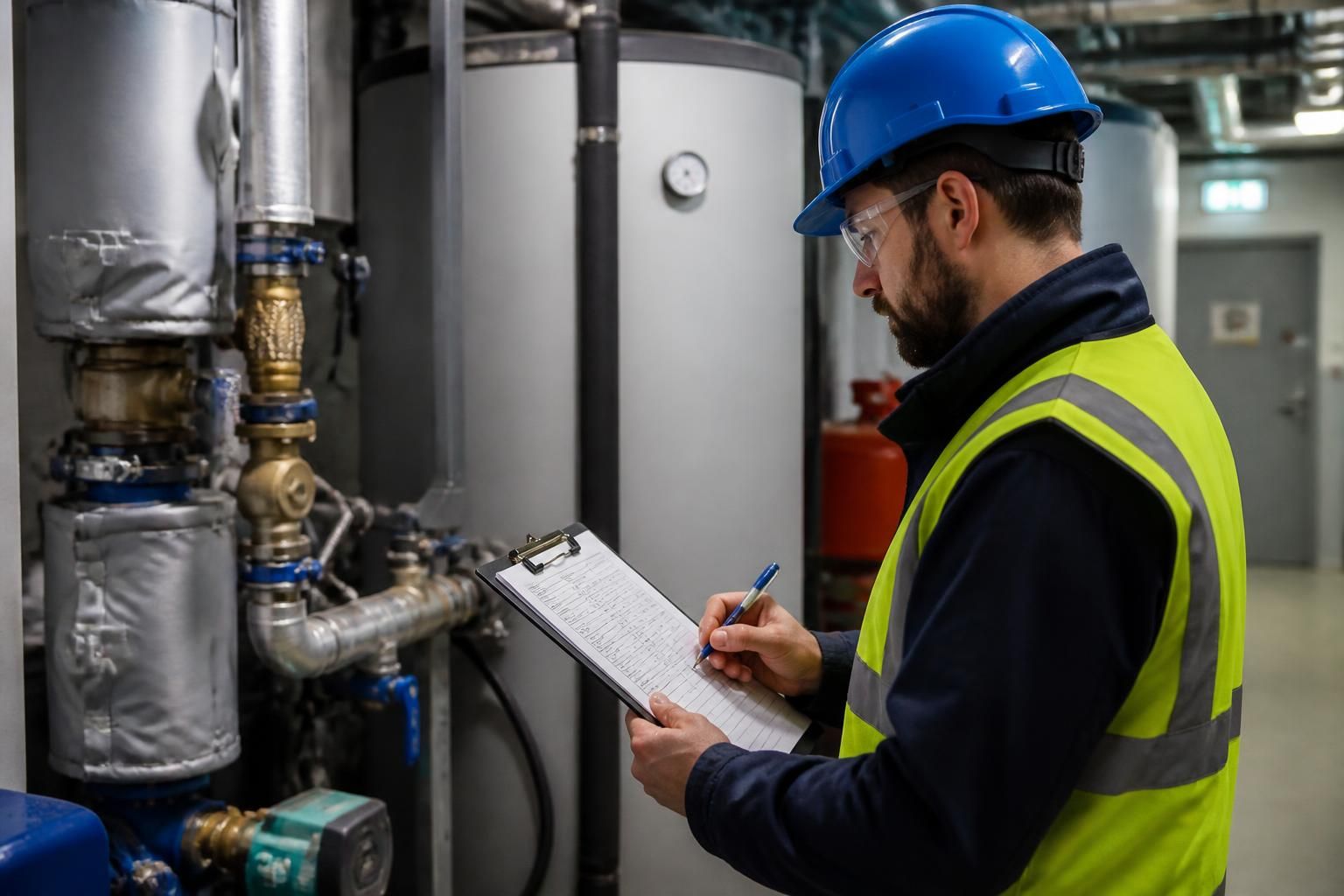
When a legionella inspection identifies a problem, the responsible person should determine whether it creates an immediate exposure risk, put suitable controls in place, and address the underlying cause. The response depends on the nature of the finding: a failed temperature control, stagnant water, an unmaintained storage tank, a positive sample, or a gap in management arrangements may each require a different course of action.
The inspection report should distinguish between observations, confirmed failures and potential risks. It should identify the affected part of the water system, explain why the issue matters, and set out actions in a way that can be allocated and tracked. A finding does not automatically mean that the entire building or system must be closed, but it should not be dismissed without a documented assessment of the likely exposure and the effectiveness of existing controls.
Typical next steps include:
- Confirm the extent of the problem. The assessor may review system schematics, temperature records, previous sample results, maintenance information and recent changes to occupancy or water use. Further inspection or sampling may be appropriate where the initial evidence does not show the source or scale of the issue.
- Apply interim precautions. Depending on the risk, this could involve taking an outlet or section of the system out of use, preventing use of aerosol-generating outlets, improving flushing arrangements, warning relevant users, or introducing temporary monitoring. Any restriction should be communicated clearly to building managers, contractors and other people who may be exposed.
- Correct the physical cause. Remedial work may include removing redundant pipework, repairing insulation, restoring storage-tank condition, correcting circulation or temperature faults, improving access for cleaning, or resolving design and maintenance defects. Work should be planned so that it does not introduce contamination or create a new control failure.
- Review management controls. If the problem arose because tasks were missed, responsibilities were unclear or records were incomplete, the written control scheme may need revision. This can include changing the monitoring schedule, clarifying who checks each outlet or plant item, improving contractor arrangements, and providing additional staff training.
- Verify the result. Following remedial action, relevant checks may include temperature measurements, visual inspection, flushing verification and laboratory analysis. The appropriate evidence depends on the original finding. A single satisfactory result should not be treated as proof that a recurring system fault has been permanently resolved.
A positive legionella result requires particular care. The result should be considered alongside the sampling location, sample method, concentration, system conditions and the vulnerability of people using the premises. It may be necessary to review sampling, investigate the distribution system and introduce additional controls rather than relying on sampling alone. Where there may be a significant risk of exposure, the responsible person should obtain competent advice on immediate risk reduction and any required notification or medical pathway.
Temperature-related findings are also interpreted in context. Water that is not stored, distributed or circulated at the intended control temperatures can support bacterial growth, while excessively hot water can create a scalding risk. Corrective action therefore needs to balance legionella control with safe use, including suitable safeguards at outlets where required.
Once work is complete, the evidence should be retained with the water safety records. This normally includes the inspection findings, decisions made, remedial work details, test certificates or laboratory reports, updated schematics where relevant, monitoring results and confirmation that outstanding actions have been closed. Records should allow someone reviewing the system later to understand what was found, what was changed and how the outcome was checked.
If the inspection reveals a weakness in the overall control scheme rather than one isolated defect, a broader review may be needed. This can cover the current risk assessment, written scheme, asset register, monitoring logs, contractor competence, staff responsibilities and arrangements for managing changes to the building or its water services. The aim is to prevent the same type of problem from recurring, not simply to correct the item identified on the inspection date.
For complex premises or findings involving multiple systems, an independent legionella risk assessment, targeted water testing and specialist remedial advice can help define the correct response. Blue Fish Water Management provides risk assessment, water testing, compliance review, monitoring, training and remedial support to help organisations interpret inspection findings and maintain appropriate evidence of control.

A problem identified during a legionella inspection should be given a clear priority based on the likelihood of exposure, the people using the premises and the reliability of existing safeguards. An isolated housekeeping issue may need routine correction, while a loss of control affecting outlets used by vulnerable occupants may require immediate escalation and specialist advice.
The inspection outcome should therefore lead to a documented decision, not simply a list of defects. The responsible person should know which finding takes priority, who has authority to act, what information is still needed and what evidence will demonstrate that the concern has been properly addressed. This makes the response proportionate while ensuring significant risks are not overlooked.
Discuss a legionella inspection finding
Need help interpreting a legionella inspection finding or planning the next stage? Contact Blue Fish Water Management to discuss a proportionate approach for your premises.