
What happens if a legionnaires disease check finds a high-risk water system?
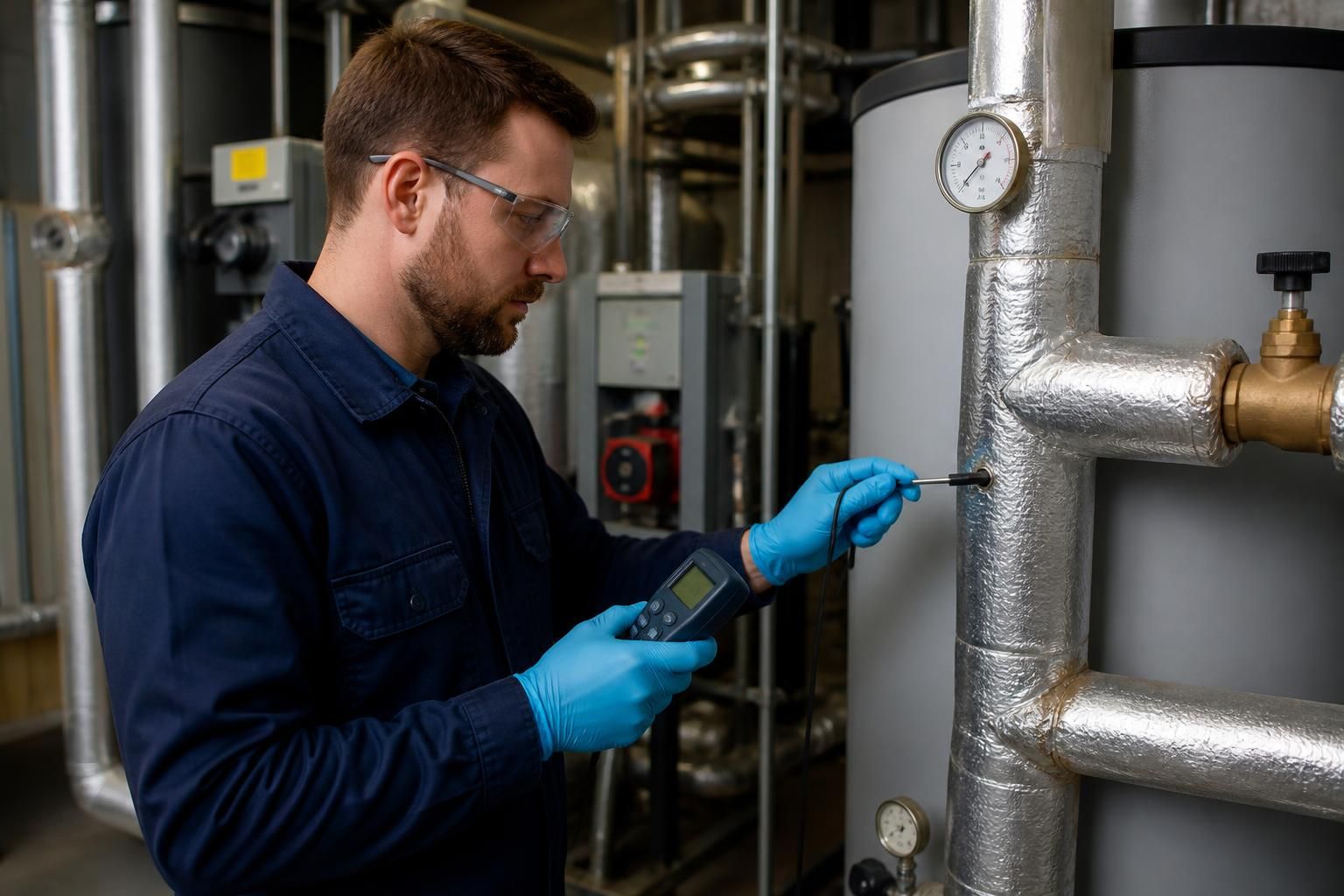
A high-risk finding means the water system has conditions that could allow Legionella to multiply or expose people to contaminated water droplets. The responsible person must assess the significance of the finding, identify who may be exposed and apply controls proportionate to the risk. The correct response depends on the type of system, the evidence collected, the people using it and whether Legionella has been detected.
First, establish what the result means. A high-risk assessment does not necessarily mean that someone has contracted Legionnaires’ disease, and a positive sample does not by itself explain the source or extent of contamination. The findings should be reviewed alongside the system design, temperature records, maintenance history, outlet usage and any signs of stagnation, corrosion, scale or biofilm. If sampling was carried out, the laboratory report should be interpreted by someone competent to assess both the result and the system from which it came.
Identify and control immediate exposure. Where there is a credible risk of exposure, the responsible person may need to isolate particular outlets or areas while the cause is investigated. This is especially important for outlets that produce aerosols, including showers and spray taps. Any temporary restriction should be communicated clearly to occupants, staff, contractors and other relevant users, with alternative arrangements considered where necessary. If a healthcare setting, care environment or other premises has people who may be more susceptible to infection, the risk should be escalated through the appropriate management and health and safety arrangements.
Find the underlying cause. Corrective work should address the conditions allowing the risk to develop, rather than relying only on a one-off disinfection. Depending on the system, this may involve:
- checking hot and cold water temperatures at storage points, return circuits and representative outlets;
- removing redundant pipework, dead legs and rarely used branches where practicable;
- improving circulation or correcting faults in thermostatic mixing arrangements;
- cleaning and descaling tanks, calorifiers, showerheads, hoses and fittings;
- repairing leaks, damaged insulation, faulty valves and other defects; and
- introducing a planned flushing and maintenance regime for outlets that are not used regularly.
Where contamination or substantial system failure is suspected, a competent water hygiene specialist can advise whether cleaning, disinfection, component replacement or wider remedial work is appropriate. The method should be suitable for the installation and carried out safely, because poorly controlled work can create additional exposure or damage the system.
Consider whether wider investigation is needed. A result from one outlet may not represent the whole installation. Further sampling may be appropriate to establish the distribution of Legionella, confirm whether remedial measures have been effective or investigate a recurring problem. Samples should be taken from locations selected for a clear reason, rather than collected without reference to the system’s risks. Testing is a verification tool; it does not replace temperature control, cleaning, maintenance and routine monitoring.
Review the control scheme. After the immediate issue has been dealt with, the responsible person should check whether existing control measures were suitable and whether they were being implemented consistently. This review should consider written procedures, monitoring results, contractor reports, staff competence, access to outlets, changes in occupancy and any alterations to the water system. Where the premises are rented or managed by more than one organisation, responsibilities for remedial work, monitoring and record keeping should be made explicit.
Keep an evidence trail. Records should show the original finding, the assessment of risk, decisions made, people informed, work completed, test results, monitoring data and any outstanding actions. This provides evidence that the issue was managed systematically and helps identify repeated failures. Documents should be retained as part of the legionella control scheme and made available to those responsible for managing the premises and water systems.
A high-risk result should remain open as an action until there is evidence that the relevant risk has been reduced and the control measures are working. Blue Fish Water Management Ltd can support this process through legionella risk assessment, water testing, compliance review, system monitoring and remedial advice, helping landlords and other responsible persons determine the appropriate next steps for the particular installation.
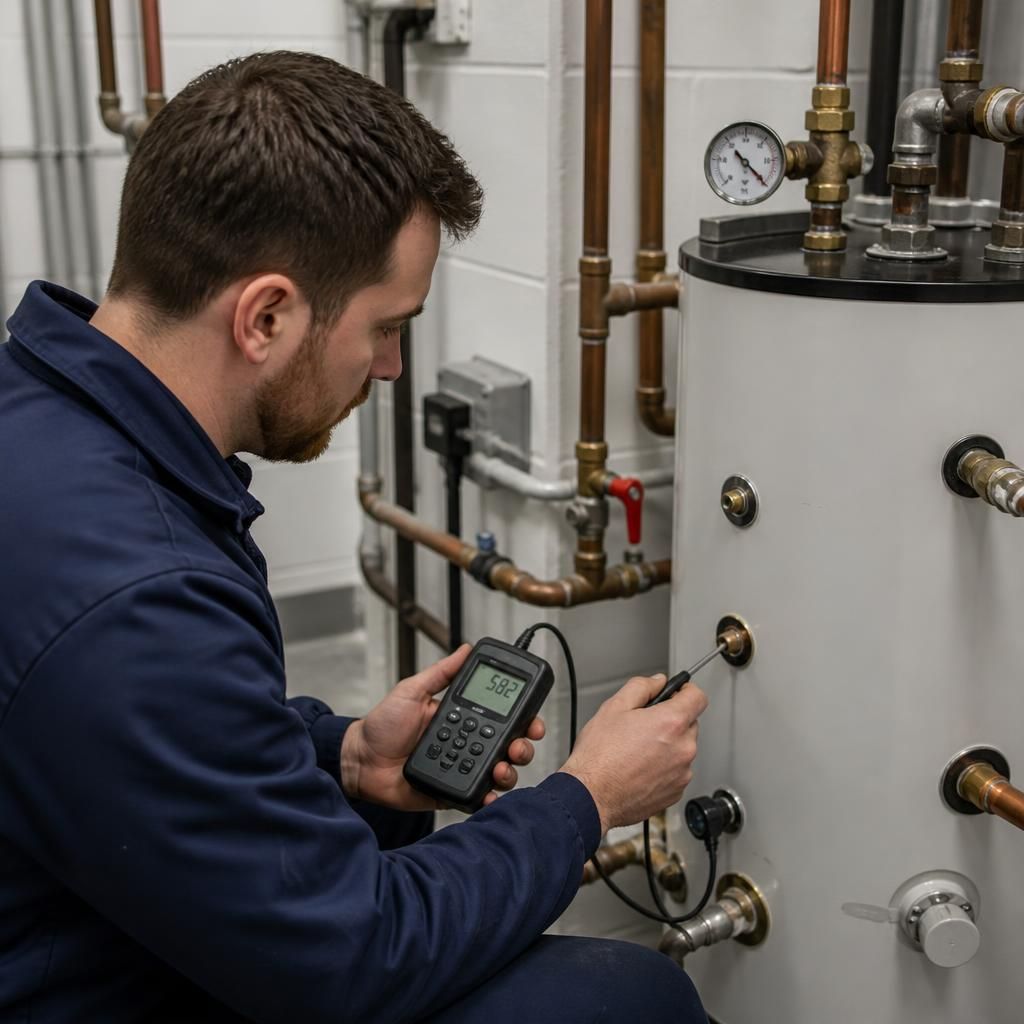
The main concern after a high-risk finding is usually inhalation of contaminated water droplets, rather than simply drinking the water. Showers, spray taps and other outlets that generate aerosols can therefore require closer attention than outlets with little or no spray. The response should consider how each outlet is used, who uses it and whether the system can release droplets into the air.
Remedial work must also be managed so that it does not create additional exposure. Isolating affected outlets, controlling access during cleaning or disinfection and providing clear instructions to anyone carrying out the work can help maintain safety while the cause is addressed. Once the work is complete, the affected outlets and relevant control measures should be checked before normal use is resumed.
Need advice after a high-risk Legionnaires’ disease check?
Share the legionella check findings and any laboratory report with Blue Fish Water Management Ltd for a practical review of the actions required. Their team can help you determine appropriate next steps for the specific water system and its users.