
Who is responsible for arranging legionella checks in a rental property?
The landlord or property owner is usually responsible for arranging legionella checks in a rental property, although a managing agent may organise them on the landlord’s behalf. Tenants should report concerns such as changes to the water system, but they are not normally responsible for commissioning the assessment.
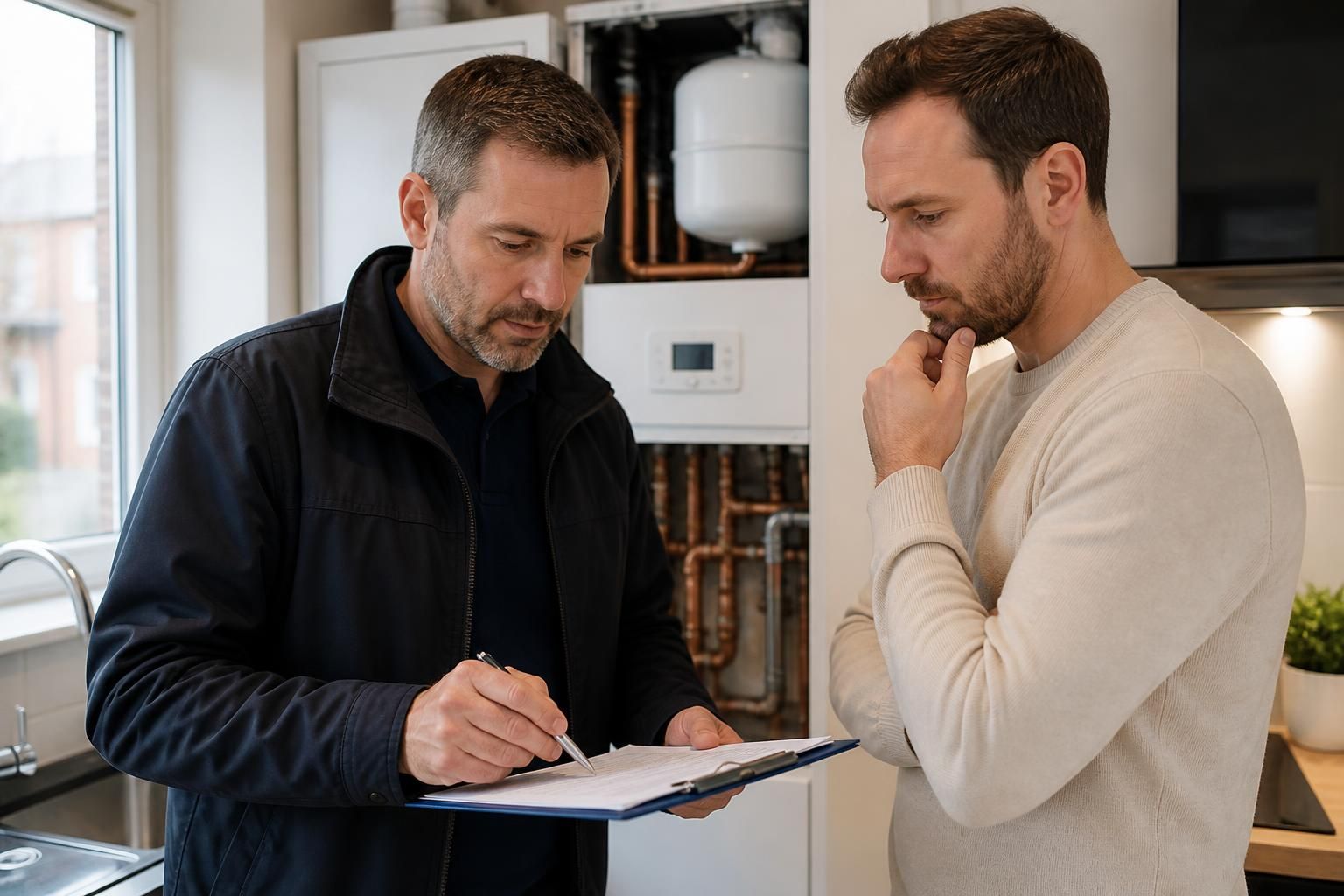
Responsibility normally rests with the person or organisation that has control of the rental property and its water systems. In practice, this is often the landlord, property owner or housing provider. Where a managing agent administers the property, the management agreement may require the agent to commission the assessment and coordinate any follow-up work.
Appointing an agent or contractor does not automatically remove the dutyholder’s responsibility. The landlord should establish who is responsible for each part of the process, confirm that the appointed person is competent, and make sure significant findings are acted upon. A clear written agreement should set out whether the agent is responsible for arranging the assessment, maintaining records, instructing water treatment specialists and monitoring remedial work.
The person arranging the check should ensure that it is suitable for the property. A competent assessor will usually need information about:
- the type and age of the property;
- the hot and cold water systems;
- water storage tanks, calorifiers, outlets and seldom-used facilities;
- occupancy patterns and any vulnerable residents;
- previous incidents, complaints, maintenance or remedial work; and
- changes to the plumbing or water services.
This information helps determine whether a desktop review, site-based risk assessment, monitoring programme, sampling or remedial work is appropriate. Testing is not a substitute for understanding and controlling the risks in the system. Where sampling is recommended, the landlord or agent should use a suitably competent laboratory and keep the results with the property’s water hygiene records.
Landlord responsibilities commonly include:
- identifying the dutyholder and allocating responsibilities;
- arranging a suitable legionella risk assessment;
- providing the assessor with access and accurate system information;
- implementing control measures identified by the assessment;
- keeping records of assessments, monitoring, maintenance and corrective actions; and
- reviewing the arrangements when the property, water system, occupancy or management structure changes.
A tenant is generally expected to provide reasonable access when notice has been given, use water outlets normally and report relevant concerns. Examples include an outlet that has not been used for a prolonged period, unusual changes in water temperature, alterations to plumbing, or a water system that appears to have been isolated. Tenants should not normally appoint a specialist or alter a water system themselves unless this has been specifically agreed with the landlord.
For blocks of flats, houses in multiple occupation and properties with communal hot-water systems, responsibility can be more involved. The freeholder, landlord, housing provider, facilities manager and managing agent may each have defined duties. The relevant contracts and the extent of each party’s control should be checked so that no part of the system is overlooked.
If an assessment identifies a significant risk, the party controlling the property must ensure that corrective action is commissioned and completed. This may involve temperature control, cleaning and disinfection, removing redundant pipework, improving maintenance procedures or arranging further sampling. Records should show what was found, who approved the action and how completion was verified.
Blue Fish Water Management Ltd can assist landlords, property managers and other dutyholders with legionella risk assessments, water testing, compliance audits, system monitoring and remedial works. Its specialists can help clarify responsibilities, assess the relevant water systems and provide practical recommendations for managing identified risks.

Arranging a legionella check is a separate responsibility from organising general property inspections. A gas safety check, electrical inspection or routine maintenance visit does not automatically assess the risks within a rental property’s hot and cold water systems.
The landlord or appointed managing agent should therefore confirm that the inspection specifically covers legionella risk and is carried out by a competent assessor. The resulting assessment should identify relevant water-system hazards, explain the required control measures and make clear who is responsible for putting those measures into practice.
Arrange a Legionella Check for Your Rental Property
If you need to confirm the appropriate arrangements for a rental property, speak to Blue Fish Water Management Ltd about a suitable legionella risk assessment.