
When should landlords arrange legionella testing for rented properties?
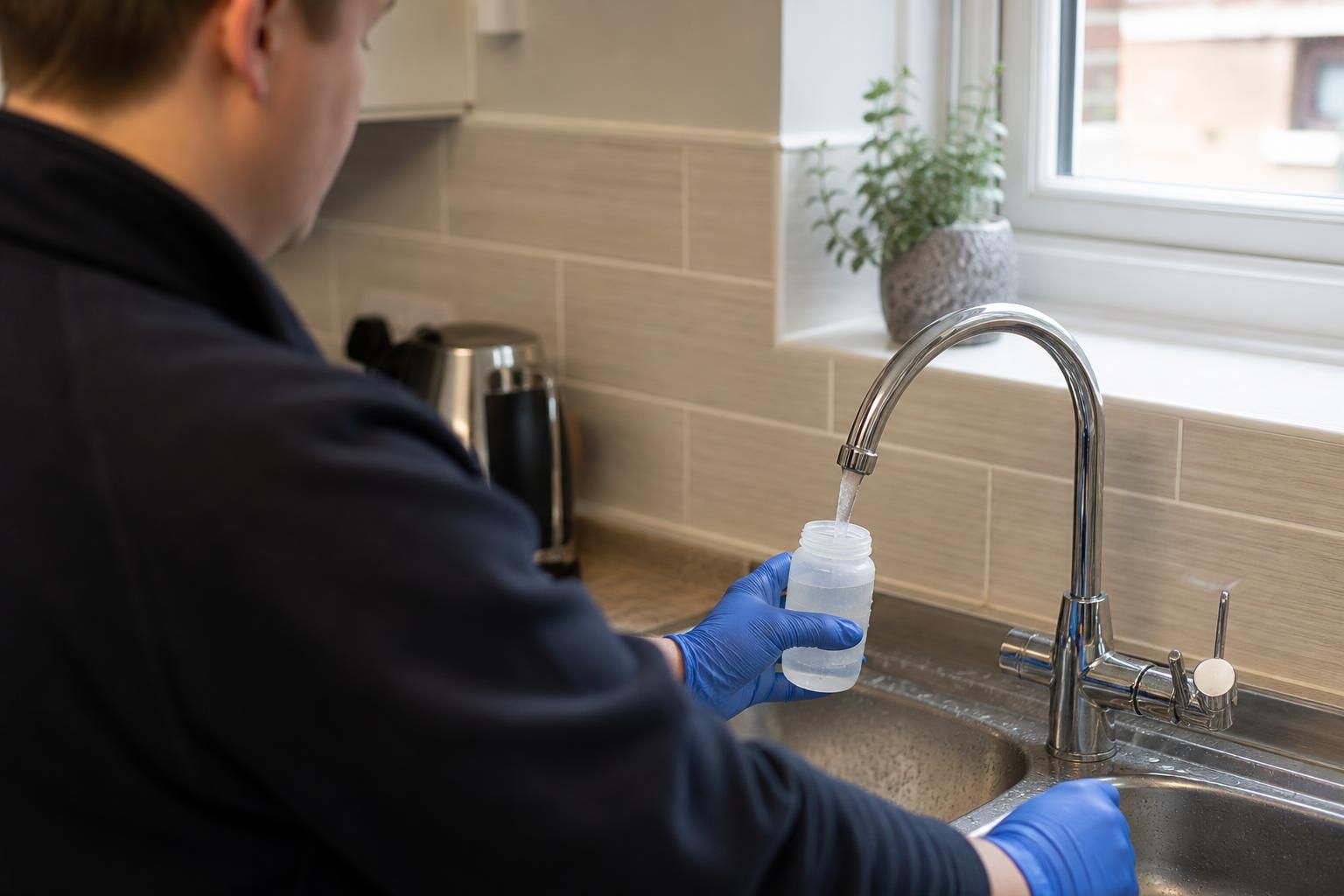
Landlords should arrange legionella testing when a competent risk assessment or monitoring plan shows that water samples are needed to verify control measures. UK guidance does not impose a universal testing interval for every rented property, so testing should be proportionate to the building, water systems, occupancy and identified risks rather than scheduled automatically for every tenancy.
There is no general requirement to test simply because a property is rented. The landlord remains responsible for assessing and managing risks from hot and cold water systems, including risks associated with shared facilities. A written assessment should consider the system design, storage and distribution arrangements, water temperatures, outlets, periods of low use, maintenance history and the vulnerability of people who may use the water. It should then explain whether sampling is necessary, what should be tested and how often results should be reviewed.
Testing is more likely to be appropriate in rented properties with features such as:
- communal hot-water systems serving several flats or rooms;
- stored hot or cold water, complex pipework or little-used outlets;
- long periods of vacancy or evidence of stagnation;
- poorly controlled water temperatures or recurring faults;
- occupants who may be more susceptible to serious illness from Legionnaires’ disease; or
- a history of unsatisfactory samples, suspected contamination or illness that may be linked to the water system.
A change of tenant does not, by itself, create a requirement for a legionella test. However, a property that has stood empty should be reviewed before it is occupied again. The landlord or managing agent should ensure that the system is returned to appropriate use, outlets are managed correctly and any actions identified by the risk assessment are completed. Sampling may be recommended where the vacancy, condition of the system or flushing arrangements create uncertainty.
Testing should also be considered following work that could affect water hygiene. Examples include alterations to pipework, replacement of water heaters or storage vessels, changes to circulation, repairs involving contaminated sections and remedial work intended to correct a control failure. The appropriate response may involve flushing, disinfection, temperature checks, further investigation or sampling. A test should form part of that decision-making process, not be treated as proof that every aspect of the system is safe.
Where sampling is required, the person arranging it should use a documented sampling plan. This should identify representative points of use and any locations where conditions are likely to support bacterial growth. Samples should be collected by a suitably competent person and examined by a laboratory with appropriate technical competence, such as a UKAS-accredited water-testing laboratory. Results should be assessed alongside temperature records, inspection findings, maintenance information and the findings of the water risk assessment.
Landlords should not rely on a test result in isolation. Legionella levels can vary between outlets and over time, and a satisfactory result on one date cannot remove the need for effective control. If a result is unsatisfactory, the landlord should follow the established action plan, which may include confirming the result, investigating the cause, restricting use where necessary, carrying out cleaning or disinfection, correcting temperature or circulation problems and arranging follow-up sampling. The action taken should be recorded, including the result, affected outlets, responsible person and evidence that corrective measures were completed.
Records should be kept with the property’s water safety documentation. They may include the current risk assessment, monitoring records, sampling plan, laboratory reports, maintenance details, remedial actions and dates for review. The risk assessment should be revisited when the system, use of the property or occupants’ circumstances change, and whenever monitoring indicates that existing controls may not be effective.
For practical advice, Blue Fish Water Management Ltd can help landlords and property managers determine whether sampling is justified, arrange appropriate water testing and interpret the findings alongside wider legionella control measures. Testing is most useful when it answers a defined risk-management question and leads to documented action where required.
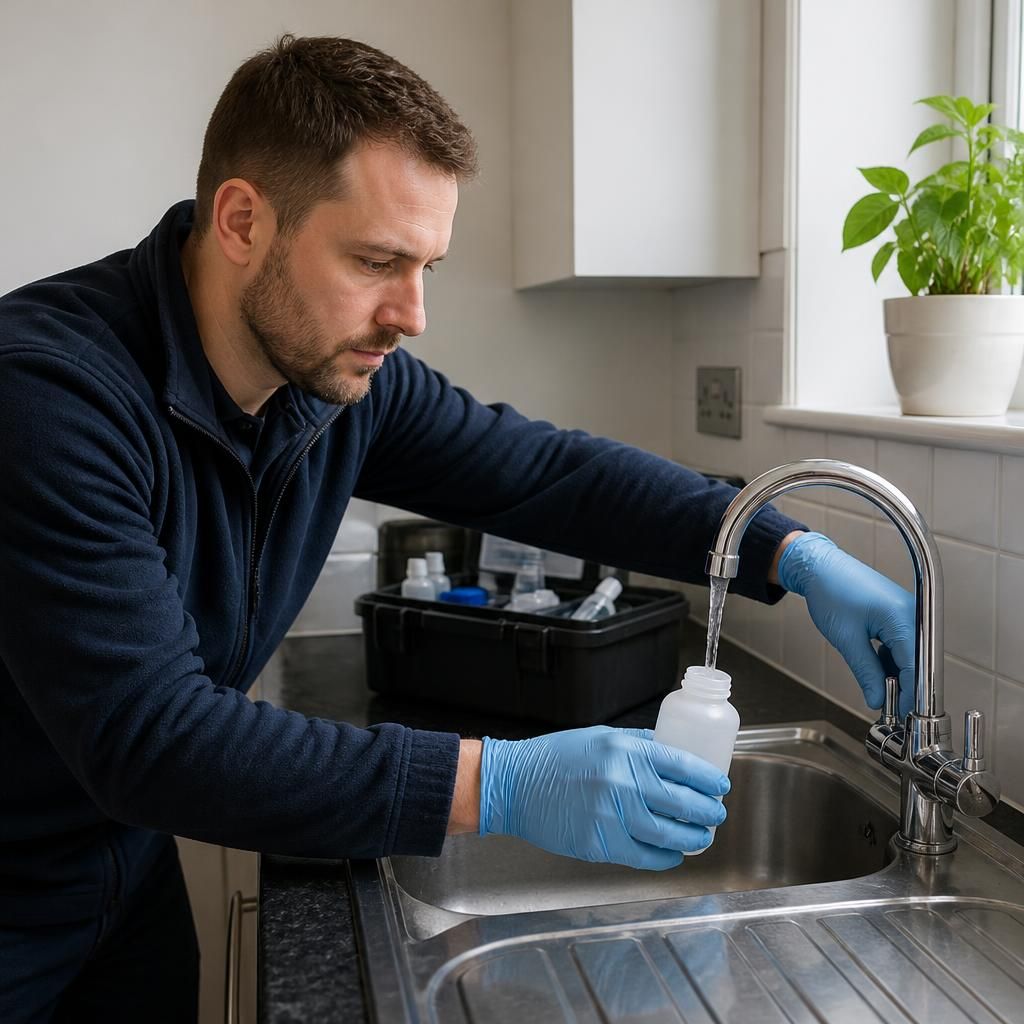
The timing of a legionella sample should reflect the question the landlord needs it to answer. A sample taken during normal system operation can help investigate suspected growth or unexplained monitoring results, while a sample taken after cleaning, disinfection or other remedial work may be intended to verify that a specific corrective action has been effective. These purposes should be recorded clearly so the result is interpreted in the right context.
Sampling immediately after unusual flushing or temporary changes to the system may not represent typical conditions unless verification is the deliberate purpose. The sampling plan should therefore state the relevant system condition, outlets and reason for collection. This gives landlords and their advisers a more reliable basis for deciding whether further investigation or corrective work is needed.