
What does a legionella test for landlords include?
A legionella test for landlords typically includes collecting water samples from relevant outlets, laboratory analysis for Legionella bacteria and a clear report of the findings. Depending on the property and its water system, the service may also identify sampling considerations and provide advice on any follow-up action needed.
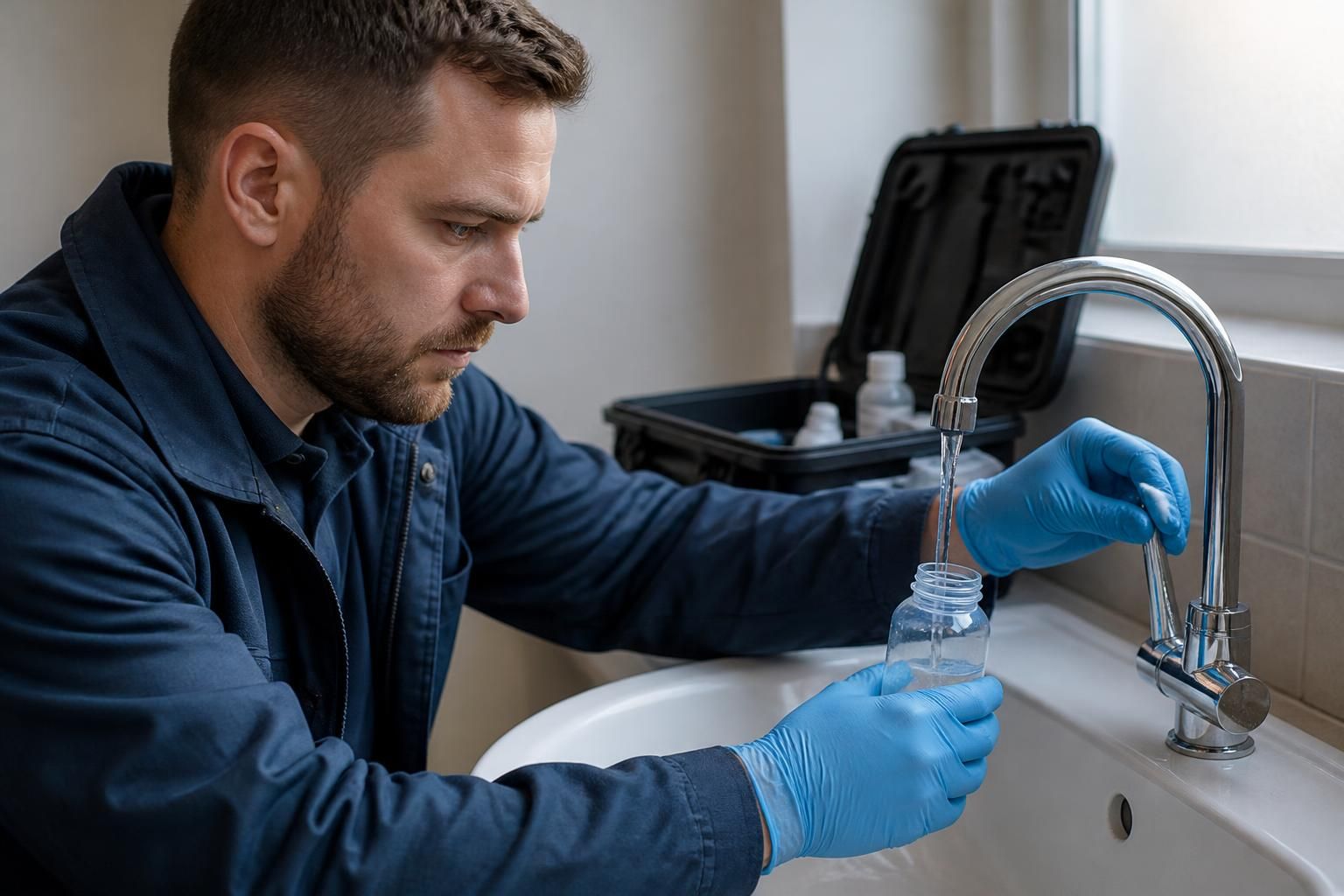
A legionella test for landlords is a targeted investigation of whether Legionella bacteria are present in a property's water system, supported by information about the system and the actions required if the result is unsatisfactory. The exact scope depends on the property's occupancy, water storage and heating arrangements, outlet usage, temperature controls and any known history of water-system problems.
A properly planned service will usually establish the scope before any site work begins. This can involve reviewing available system information, identifying stored and distributed hot- and cold-water components, noting seldom-used outlets and considering whether vulnerable people may be exposed. These factors help determine which parts of the system should be included and whether additional checks are appropriate.
The on-site element may include:
- checking the layout and use of the hot- and cold-water system;
- reviewing temperatures at suitable points, where relevant to the assessment;
- identifying conditions that can encourage bacterial growth, such as stagnation, low use, poor temperature control or areas that are difficult to clean;
- recording the outlet, storage vessel or system location associated with each sample; and
- confirming relevant details needed to interpret the laboratory findings accurately.
Samples should be handled, labelled and transported under controlled procedures so that the laboratory can identify where each sample came from and maintain a reliable record from collection through to analysis. Testing by a UKAS-accredited laboratory can provide an appropriately controlled basis for interpreting the microbiological result, although accreditation of the laboratory does not remove the landlord's responsibility to manage risks at the property.
The written outcome should do more than state whether Legionella was detected. It should set out the locations tested, the analytical findings, any qualifications or limitations affecting the result and the significance of the findings in the context of the system. Where appropriate, it can identify recommended follow-up measures, such as reviewing temperature controls, improving outlet use, cleaning or disinfection, investigating dead legs, or arranging further testing after remedial work.
Landlords should also understand what the service does not include. A microbiological test is a snapshot of the sampled system at a particular time; a negative result does not prove that Legionella can never develop later or that every part of the system is free from risk. It is not, by itself, a substitute for a legionella risk assessment, ongoing control measures, suitable maintenance or records demonstrating that the system is being managed.
For a rented property, the final advice should therefore be considered alongside the water-system design, occupancy and existing control arrangements. If a result indicates a concern, the landlord should follow the report's recommendations, document the action taken and consider whether repeat testing or a broader review is needed. A specialist water hygiene provider can help landlords distinguish between a laboratory finding that requires monitoring and one that calls for remedial work or further investigation.
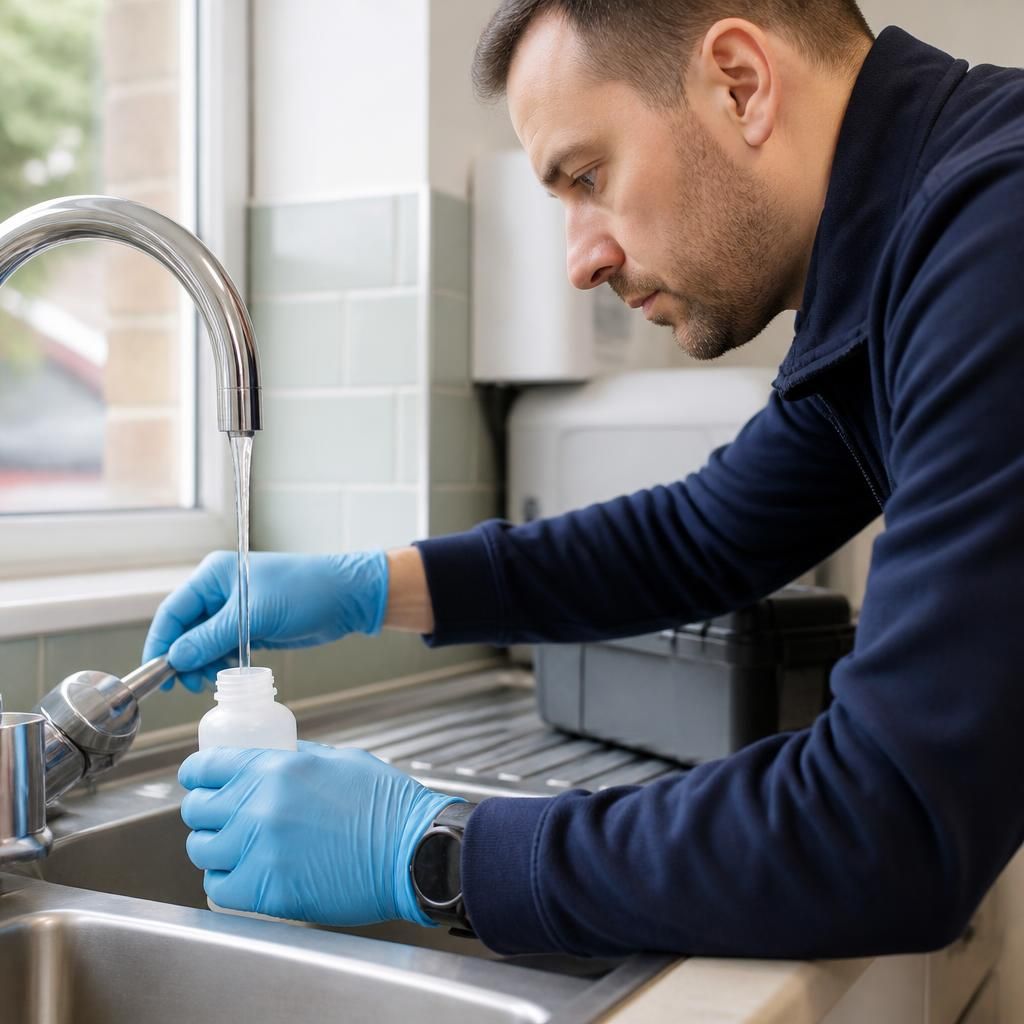
A landlord’s preparation can affect how useful the test result is. Before samples are taken, the tester should be told about vacant rooms, outlets that are rarely used, recent cleaning or disinfection, changes to the hot-water system and any areas that tenants cannot access. The sampling instructions may also specify how outlets should be used or prepared beforehand, because different sampling purposes can require different procedures.
This background allows the laboratory findings to be interpreted alongside the property’s actual operating conditions. A report based on normal use may provide a different picture from one taken shortly after remedial work or following a prolonged period of vacancy, so landlords should keep these circumstances with the test record.
Discuss your legionella testing requirements
Discuss your legionella testing requirements with Blue Fish Water Management Ltd and provide details of the property, its water systems and occupancy. This will help establish an appropriate testing scope for the landlord’s circumstances.