
How does timescale affect water monitoring method selection?
Timescale affects water monitoring method selection by determining whether you need an immediate snapshot, scheduled trend data or continuous oversight. Routine monitoring may suit manual or targeted sampling, while urgent decisions or rapidly changing conditions may require faster testing and more frequent or continuous measurement.
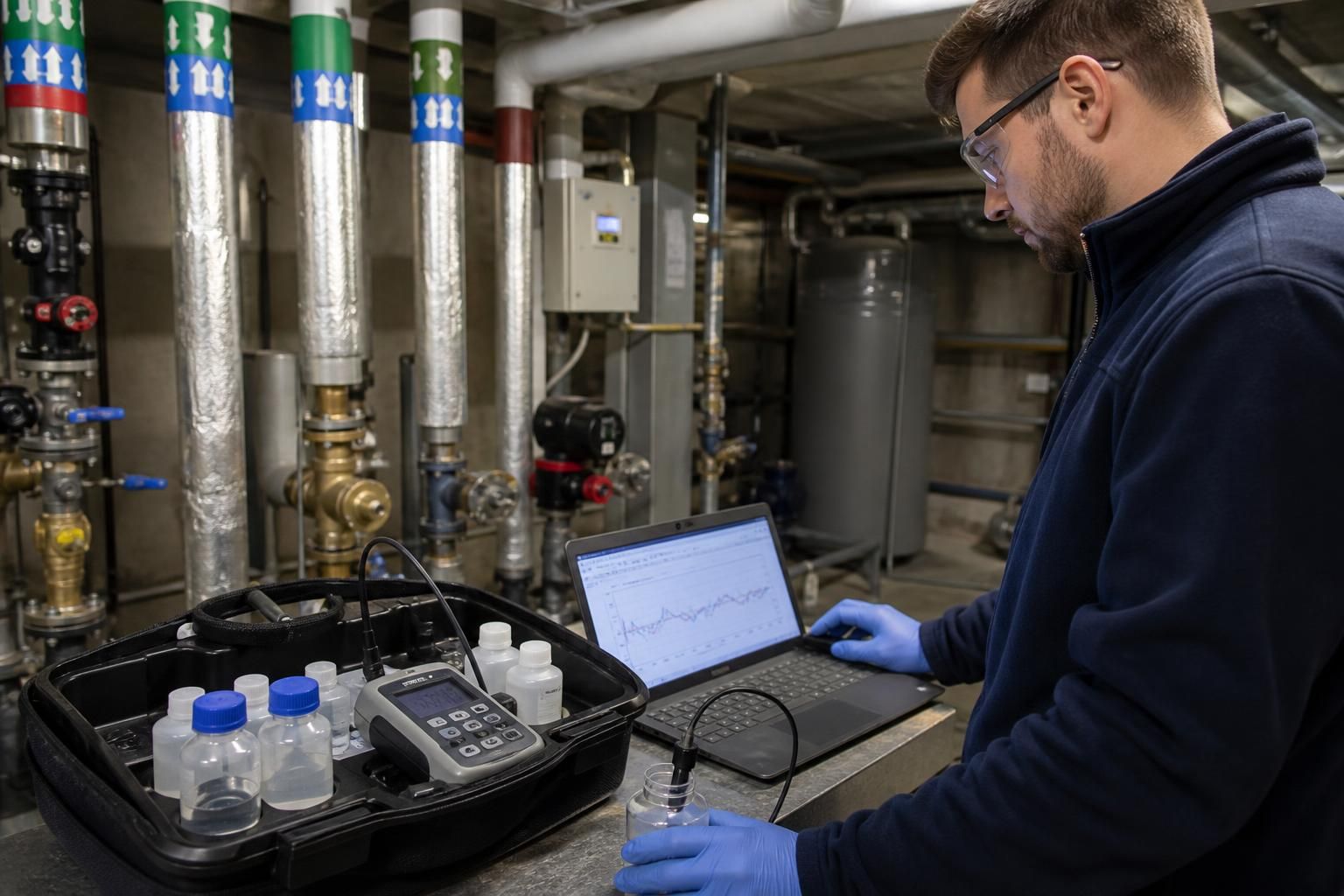
Timescale affects water monitoring method selection because each method represents a different period of system performance. The appropriate choice depends on whether the decision concerns a condition at one point in time, a developing change, or the system’s behaviour between scheduled visits. A method should therefore be selected against the required decision interval, the stability of the risk and the consequences of missing a change.
Start with the decision the result must support. A single result may be suitable for confirming the condition of a particular outlet or validating a corrective action. It is less suitable for showing whether temperatures, disinfectant levels or other control measures remain within the required range between visits. Conversely, continuous measurement may produce more information than is necessary where the system is stable and the question concerns only a defined sampling point.
- Point-in-time decisions: use a measurement or sample collected at a specified location and time when the objective is to verify a known condition.
- Short-term investigations: use repeated or targeted measurements when a result is needed to understand a recent change, unusual reading, complaint, maintenance activity or suspected loss of control.
- Longer-term assurance: use planned monitoring and record review to identify gradual drift, recurring exceptions and whether control measures continue to operate as intended.
- Near-continuous oversight: consider automated measurement where conditions can change materially between manual checks or where an immediate indication of deviation is important to the management process.
The interval between observations should reflect how quickly the monitored condition can change. A relatively stable part of a system may be assessed through periodic checks, whereas a location affected by variable use, temperature changes, circulation problems or operational activity may need closer observation. The relevant question is not simply how often a check can be made, but whether the selected interval could allow an important change to remain undetected for too long.
Timescale also affects the type of evidence required. Manual checks can provide direct, location-specific information and are useful when staff need to inspect an outlet or record a reading as part of a defined procedure. Targeted sampling can focus on higher-risk areas or investigate a particular pattern without monitoring every point at the same frequency. Automated or continuous systems can create a time series, but they require suitable installation, calibration, maintenance and review arrangements. More frequent data is not automatically better if nobody is responsible for interpreting it and acting on exceptions.
Laboratory testing introduces a further timing consideration. The collection time, sample identification, storage, transport and laboratory processing all affect how well a result represents the water at the point of interest. A sample can confirm conditions associated with its collection period, but it cannot by itself demonstrate what occurred before or after that period. Sampling plans should therefore define when samples are taken, which locations are included, how results are recorded and how any delay between collection and review is managed.
For microbiological monitoring, the purpose of the sample and the interpretation of the result should be agreed before the sampling programme begins. A routine sample may support trend assessment, while investigation sampling may require a different selection of locations or a closer relationship to recent events. The method, sample volume, handling arrangements and laboratory process should be consistent with the question being asked. Results should not be compared uncritically when the sampling circumstances or purpose have changed.
A practical monitoring plan commonly combines timescales rather than relying on one method. For example, routine manual checks may provide regular operational evidence, targeted sampling may be introduced when records show an emerging concern, and automated measurement may be reserved for parameters where changes between visits have operational significance. This layered approach avoids treating a single method as suitable for every control objective.
Records are essential when timescale is part of the decision. Each entry should make clear the date and time, location, method, person or system responsible, result, relevant operating conditions and any action taken. Reviewing results in sequence can reveal gradual deterioration that is not obvious from an isolated reading. It can also show whether an apparent anomaly was temporary, repeated or associated with a particular activity.
When selecting or revising a method, assess:
- how quickly the relevant condition can change;
- how long an undetected deviation could remain before it becomes significant;
- whether the objective is verification, investigation, trend analysis or operational control;
- the reliability and limitations of manual, targeted and automated measurements;
- the time required for sampling, analysis, reporting and review;
- who will examine the results and what predefined action follows an exception; and
- whether the method produces records that can demonstrate consistent control.
Timescale should be reassessed after changes to the system, occupancy, use, maintenance arrangements or control measures. A monitoring interval that was appropriate for one operating pattern may provide insufficient evidence after the risk profile changes. Water safety specialists can help align the monitoring method, sampling schedule and records with the system’s assessed risks, including laboratory testing, compliance reviews and remedial follow-up where required.
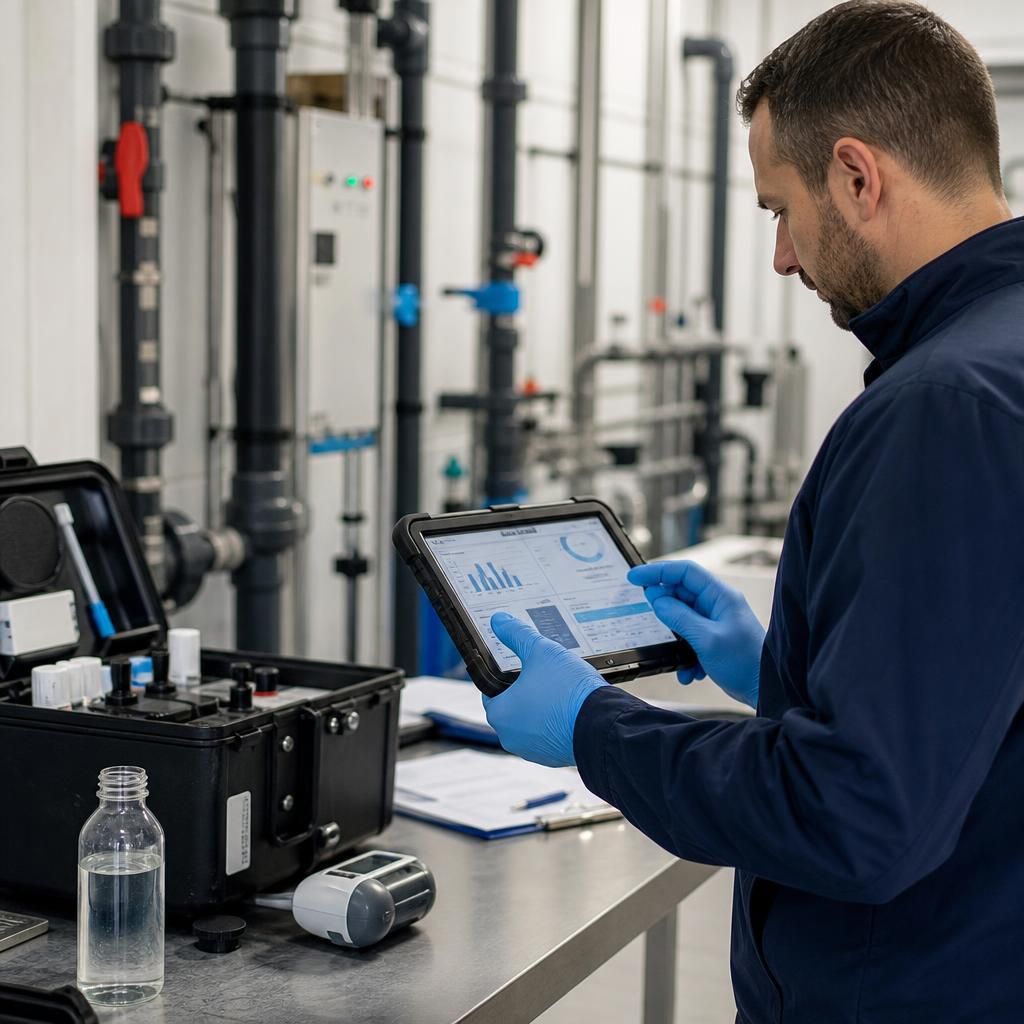
Timescale affects method selection by setting the latest point at which a result can be available to support a decision. A monitoring approach is unsuitable if its result arrives after the opportunity to investigate, adjust a control measure or restrict use has passed. The required lead time should therefore be agreed before choosing between an on-site check, targeted sampling, laboratory analysis or automated measurement.
For each monitored parameter, define the decision that follows an abnormal result and work backwards. A result needed to guide an immediate operational response may require direct measurement or an alarm, whereas a result used to verify planned control may be obtained through scheduled sampling and laboratory reporting. This does not mean selecting the fastest method in every case: the method must also provide sufficiently reliable evidence for the decision.
The monitoring record should show not only the result, but when it became available for review and whether the required action followed. This makes it possible to identify delays in sampling, analysis, reporting or escalation, and to revise the method if the evidence is consistently received too late to support effective water safety management.
Get Advice on Water Monitoring Method Selection
Discuss your monitoring objectives with Blue Fish Water Management Ltd to identify a suitable approach for your system and operational needs. Contact the team for practical advice on water monitoring method selection.