
How do water hygiene risk assessment methods differ?
Water hygiene risk assessment methods differ mainly in their scope, level of detail and the evidence used to evaluate hazards within a water system. A basic assessment may review key controls and obvious risks, while a more detailed, system-specific approach examines design, usage, temperature control, maintenance, vulnerable users and monitoring records.
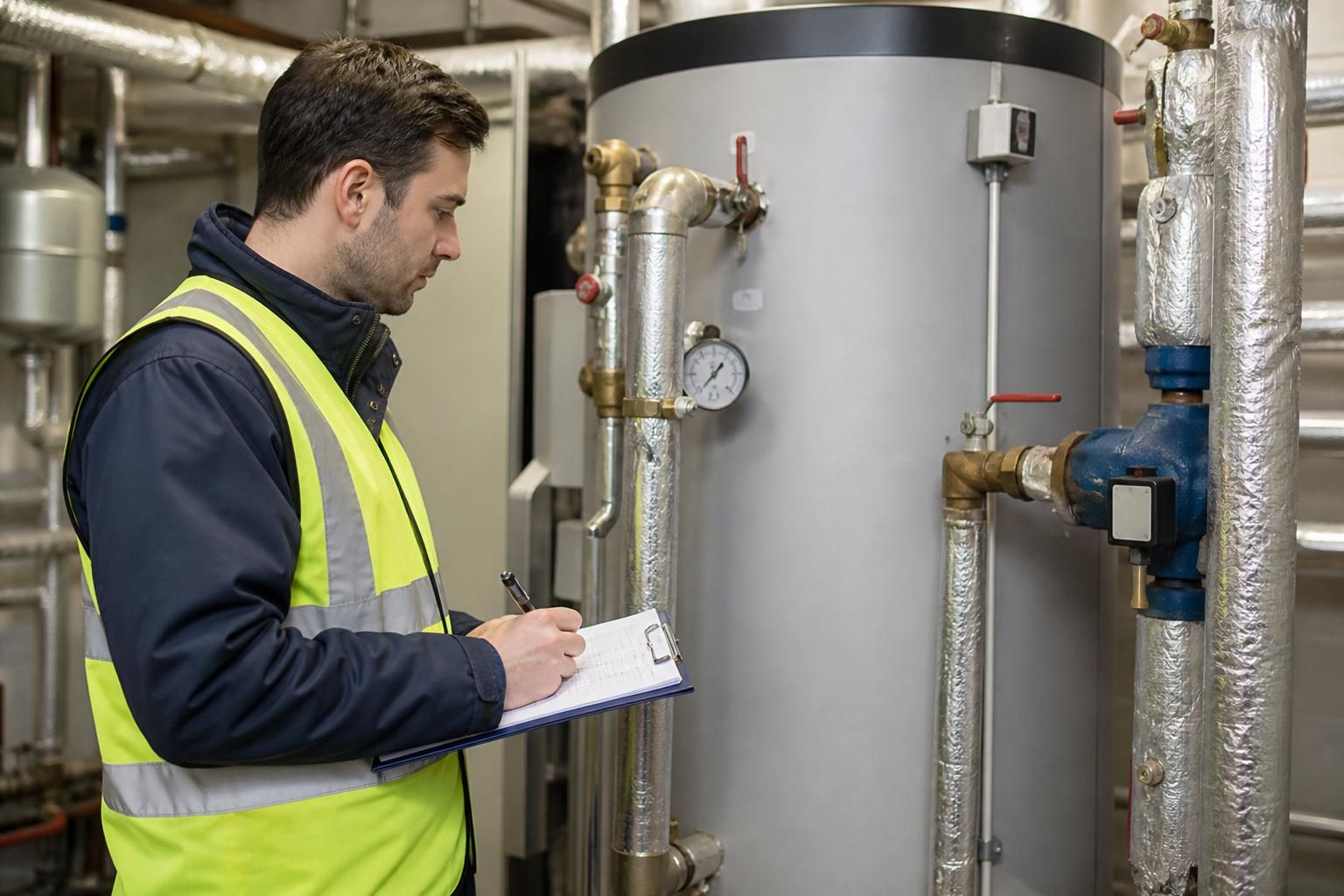
Water hygiene risk assessment methods differ in the way they identify hazards, evaluate the level of risk, verify existing controls and record the actions required. The appropriate method depends on the complexity of the water system, how it is used, the people exposed, the quality of available information and whether the assessment is being completed for an initial review, a change of use or an ongoing management programme.
Qualitative assessments use professional judgement to classify risk according to the conditions found. The assessor considers factors such as opportunities for stagnation, inadequate temperature control, poor maintenance access, dead legs, infrequently used outlets, contamination pathways and the susceptibility of people using the premises. Findings may be recorded as low, medium or high priority, with actions assigned according to their significance.
This approach is useful where the main need is to understand the nature of the hazards and decide which controls require attention. It can be appropriate for relatively straightforward systems, provided the assessor has sufficient information and examines the relevant parts of the installation. A qualitative assessment should not mean a superficial assessment; its reliability depends on the competence of the assessor and the quality of the inspection.
Semi-quantitative methods apply a more formal scoring process. Individual hazards may be scored against factors such as likelihood, potential consequence, frequency of exposure and effectiveness of existing controls. The scores are then used to rank actions and distinguish immediate priorities from longer-term improvements.
A scoring system can help organisations compare risks consistently across multiple buildings or system areas. However, the numerical result is only a decision-making aid. It does not remove the need for technical judgement, and a low combined score should not conceal a significant failure in a fundamental control. The scoring criteria should therefore be defined clearly and applied consistently rather than treated as an objective measurement of safety.
Desktop assessments rely mainly on existing information. This may include system schematics, asset registers, previous assessment reports, monitoring records, maintenance documents, water treatment information, incident records and details of building use. Reviewing these documents can identify missing information, recurring control failures and changes that may have altered the risk profile.
Desktop review is valuable as a preliminary stage and can be efficient where records are complete and reliable. It is less suitable as the sole method where drawings are outdated, alterations are undocumented or the assessor cannot confirm how the system operates in practice. Records describe what should exist; they do not always show what is installed or how it is being managed.
Site-based assessments add physical inspection, interviews and direct observation. The assessor can trace pipework, identify little-used outlets, examine plant and storage arrangements, check access for cleaning and maintenance, observe how outlets are used and discuss operational controls with responsible staff. This can reveal discrepancies between written procedures and actual practice.
For complex premises, a site-based assessment may need to follow the system from incoming supply through storage, distribution, hot-water generation and points of use. It may also consider separate buildings, extensions, specialist equipment and areas with intermittent occupancy. The objective is not simply to inspect visible equipment, but to understand how the whole water system behaves and where control may be lost.
System-based methods focus on the design and operation of the installation. They examine how water enters, is stored, heated, distributed, returned and discharged, including the relationship between components. This approach is particularly important where there are multiple tanks, secondary circulation, blending valves, boosted supplies, long distribution runs or parts of the system that are rarely used.
Premises- and activity-based methods place more emphasis on how the building is occupied. A healthcare setting, care environment, hotel, residential block, school, factory or office may have different patterns of water use and different groups of people exposed. Occupancy levels, periods of closure, cleaning practices, bathing facilities, aerosol-generating activities and access arrangements can all influence the assessment.
Two buildings with similar equipment may therefore require different conclusions because their users and operating patterns differ. Likewise, a system that appears technically controlled may present additional concerns if outlets are regularly unused, rooms are vacant for extended periods or staff do not understand the procedure for reporting abnormal conditions.
Baseline and change-focused assessments also serve different purposes. A baseline assessment establishes how a system is arranged, who has responsibility for it and which controls are in place. A change-focused assessment examines the effect of a specific event, such as refurbishment, a change in occupancy, a new plant installation, an alteration to pipework, a period of closure or a change in water use.
The latter should not automatically be treated as a complete replacement for the main assessment. Instead, it should identify which parts of the existing assessment have been affected and whether the change introduces new hazards or invalidates previous assumptions. A full reassessment may be appropriate where the change is substantial or the existing information is no longer dependable.
Testing and measurement may support any of these methods, but water sampling is not a substitute for a risk assessment. Temperature checks, microbiological analysis, inspection findings and monitoring records provide evidence about particular conditions at particular times. They need to be interpreted alongside system design, usage, maintenance and control procedures.
Similarly, a satisfactory test result does not by itself demonstrate that the system is adequately managed. Sampling plans should be based on the risks identified, with appropriate locations and interpretation of results. Where testing identifies an issue, the assessment should consider the underlying cause rather than treating the test result in isolation.
Regardless of method, a sound assessment should make responsibilities and actions clear. It should normally identify:
- the boundaries and components of the water system;
- hazards and conditions that could allow contamination or microbial growth;
- people who may be exposed and any relevant vulnerability factors;
- controls already in place and evidence that they are being implemented;
- gaps, failures or uncertainties requiring investigation;
- prioritised remedial actions, responsible persons and target review points; and
- circumstances that should trigger reassessment.
In practice, the strongest method is often a combination of document review, physical inspection, discussions with responsible personnel, review of monitoring evidence and targeted testing where justified. The balance between these elements should reflect the system and the risk rather than being selected simply because it is familiar or convenient.
Blue Fish Water Management applies tailored water hygiene expertise to help organisations understand which assessment approach is proportionate to their circumstances. Its services support domestic, industrial and commercial clients nationally, with findings intended to inform practical control measures, compliance decisions and longer-term water hygiene management.
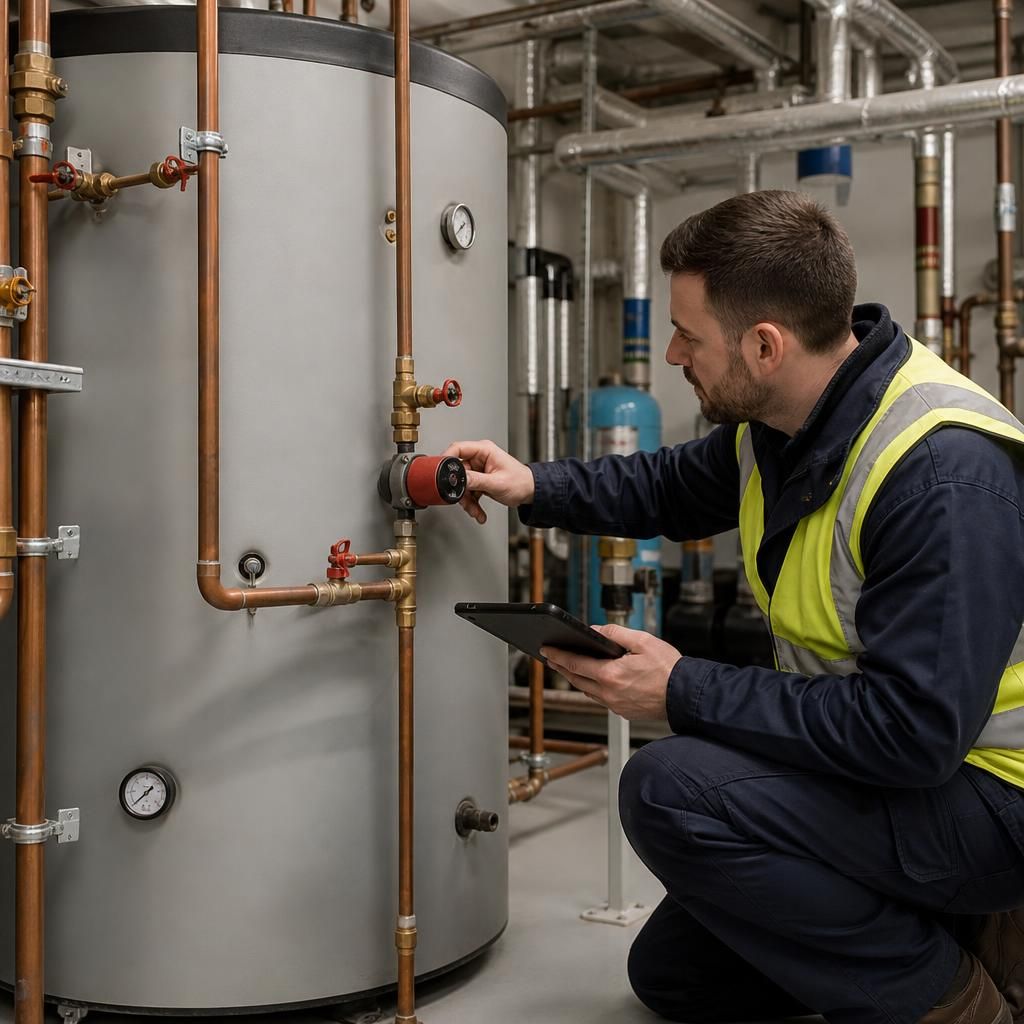
A water hygiene risk assessment method also differs in how clearly it records the evidence behind each conclusion. A useful report should distinguish between conditions directly observed, information provided by the organisation and points that remain unverified. This helps readers understand the confidence attached to each finding rather than treating every statement as equally certain.
The report should also explain why actions have been prioritised. For example, an urgent control failure should be separated from an information gap or a lower-priority improvement, with the reason for the distinction stated. This makes the assessment easier to review, update and use as a practical management document.
Discuss Your Water Hygiene Risk Assessment Needs
Discuss your organisation’s water hygiene risk assessment needs with Blue Fish Water Management to identify an appropriate next step for your premises.