
How should system scale influence a water hygiene remedial decision?
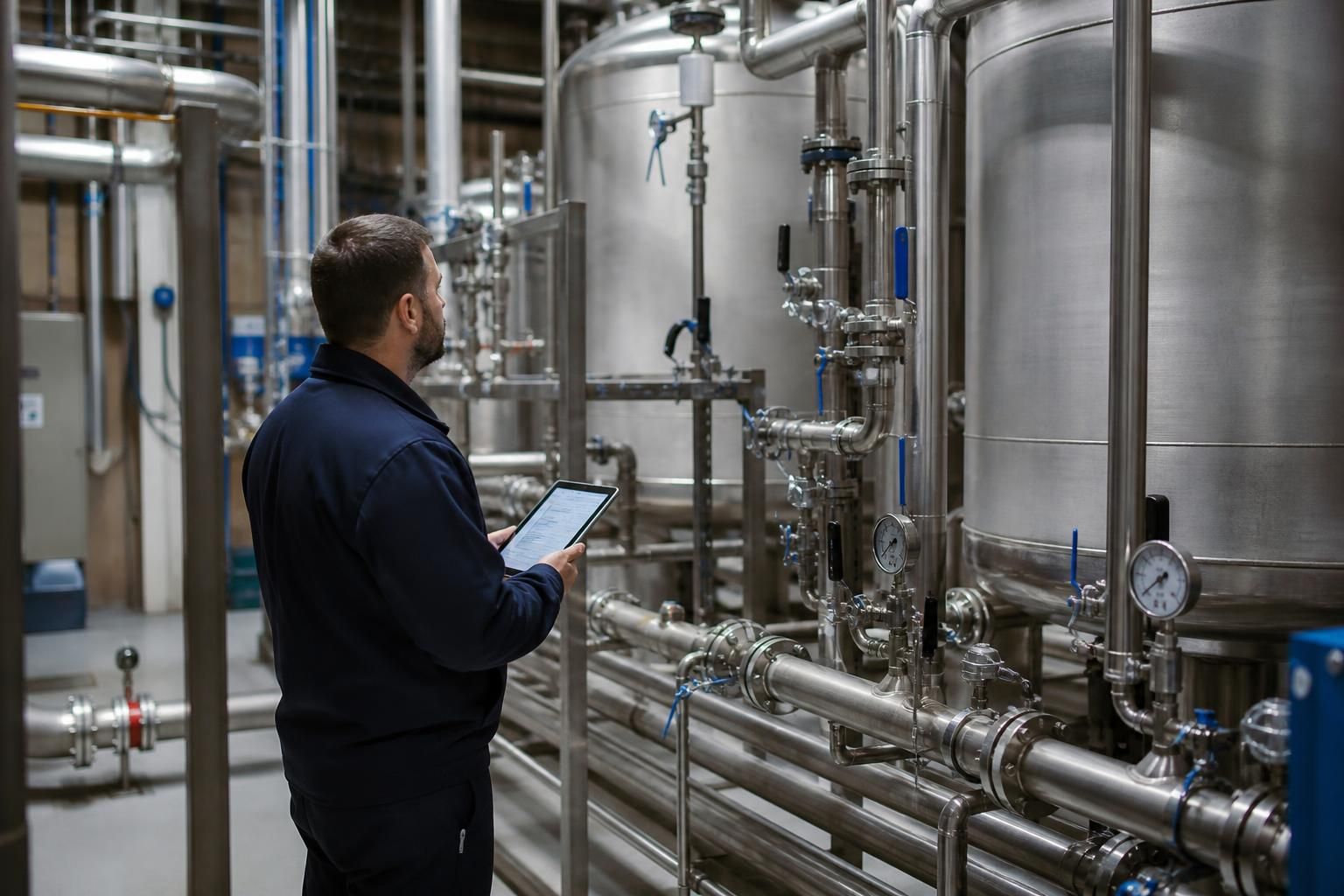
System scale should determine how a remedial action is assessed, controlled and verified, but it should not determine the remedy in isolation. The appropriate decision depends on the condition of the water system, the identified source of risk, the people exposed and whether the underlying cause can be removed. A small system with poor temperature control or infrequently used outlets may require more urgent intervention than a larger system that is properly managed.
Scale is more than the number of outlets. The assessment should consider the extent of pipework, the number and position of storage cisterns, calorifiers and other plant, the presence of secondary return circuits, the number of separate supply zones and the relationship between occupied areas. Systems serving several buildings or departments can also have different operating patterns, access arrangements and user groups, making a single remedial measure unsuitable for every part of the installation.
For a larger system, the first practical question is whether the affected area can be isolated. Zonal isolation may allow investigation and remedial work to take place without treating unaffected parts of the installation. Where isolation is not possible, the method may need to cover the whole connected system, with careful control of flushing, outlet access, temperature management and the return to normal use. The boundaries of the work should be defined clearly so that no connected section is overlooked.
System scale also affects the quality of the evidence needed before selecting a remedy. Findings from one outlet should not automatically be treated as representative of every outlet, riser or building. A proportionate investigation may include:
- reviewing previous monitoring records and maintenance history;
- mapping the system and identifying dead legs, low-use outlets and sections with poor circulation;
- checking temperatures at relevant points rather than relying on a single measurement;
- examining storage, distribution and return arrangements for conditions that could support bacterial growth;
- using targeted water sampling to establish the extent and significance of the finding; and
- checking whether alterations, changes in occupancy or reduced demand have affected system performance.
When the cause is localised, a local repair or removal of redundant pipework may be more suitable than treating an entire installation. Examples include correcting a faulty thermostatic mixing valve, restoring circulation to a poorly performing branch, repairing insulation or removing an unused section. On a larger system, however, a local repair should be followed by checks of connected areas to confirm that the defect was not part of a wider design or operational problem.
Disinfection may be considered where contamination is established or where a suitably assessed control programme requires it, but scale affects how the work is planned. A larger installation can require more detailed isolation arrangements, outlet-by-outlet flushing, communication with building users and additional post-treatment verification. Disinfection does not remove a persistent design defect, excessive storage, poor circulation or dead legs; those issues may require engineering remedial work as well. The decision should therefore distinguish between reducing an immediate microbiological hazard and correcting the condition that allowed it to arise.
Replacement becomes more relevant where the system is substantially deteriorated, cannot maintain required control parameters, contains inaccessible defects or would need repeated temporary measures to remain safe. The size of the installation influences the feasibility and consequences of replacement, but it is not a reason to replace equipment automatically. A staged replacement may be appropriate where sections can be separated, while a full replacement may be justified where the system's design prevents reliable management and repair would not provide a dependable control.
For complex premises, remedial work should be divided into defined work packages. Each package should identify the affected assets, isolation points, responsible parties, control measures, access requirements, required samples or inspections and the evidence needed for sign-off. This approach allows the dutyholder and competent water hygiene specialists to track outstanding risks without treating completed work as proof that every part of the system has been resolved.
Verification is particularly important as system scale increases. After work, results should be assessed against the intended control objective, not simply recorded as a completed task. This may involve confirming restored temperatures and circulation, checking that repaired or replaced components operate correctly, reviewing flushing records and taking follow-up samples where appropriate. Monitoring should then be adjusted if the remedial work has changed the system, its use or the points that need routine control.
In practice, a sound decision follows this sequence:
- define the affected system and its physical and operational boundaries;
- confirm the hazard, likely cause and people who may be exposed;
- determine whether the problem is local, connected or system-wide;
- compare repair, cleaning or disinfection, replacement and ongoing control measures;
- select a method that is technically effective and proportionate to the risk; and
- document completion, verify performance and update the water safety management arrangements.
For commercial and industrial water systems, independent risk assessment, suitable water testing and clear remedial records help ensure that scale does not lead either to an unnecessarily disruptive response or to an intervention that is too narrow. Blue Fish Water Management Ltd can support this process through legionella risk assessments, UKAS-accredited water testing, compliance audits, system monitoring and remedial works, with advice matched to the documented condition of the system.
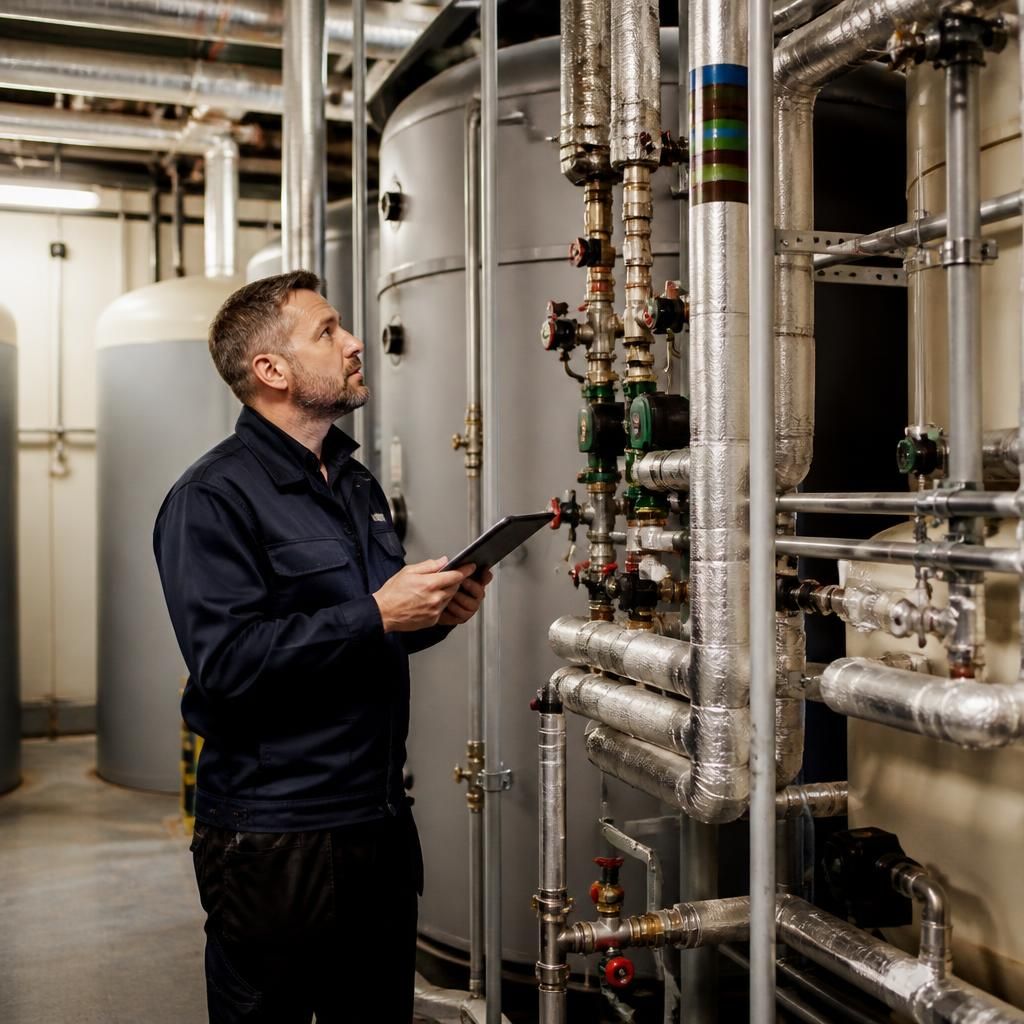
System scale also influences whether an interim control can be maintained reliably while permanent remedial work is planned. A measure that is manageable for a small installation may become difficult to administer across numerous outlets, buildings or operating teams. The decision should therefore consider the ongoing supervision, records, access arrangements and user controls required for the proposed duration.
Where temporary measures create a substantial management burden, a more definitive repair or replacement may be proportionate even if the immediate defect appears limited. Conversely, a carefully controlled interim measure may be suitable where the affected section is clearly defined and the dutyholder can demonstrate that it remains effective. Scale should therefore be assessed alongside the practicality and reliability of maintaining the control, rather than treated as a simple indicator of physical system size.
Discuss Your Water Hygiene Remedial Decision
Discuss your system findings with Blue Fish Water Management Ltd to help determine whether the proposed remedial action is proportionate, practical and properly evidenced.