
When is disinfection preferable to repair or system replacement?
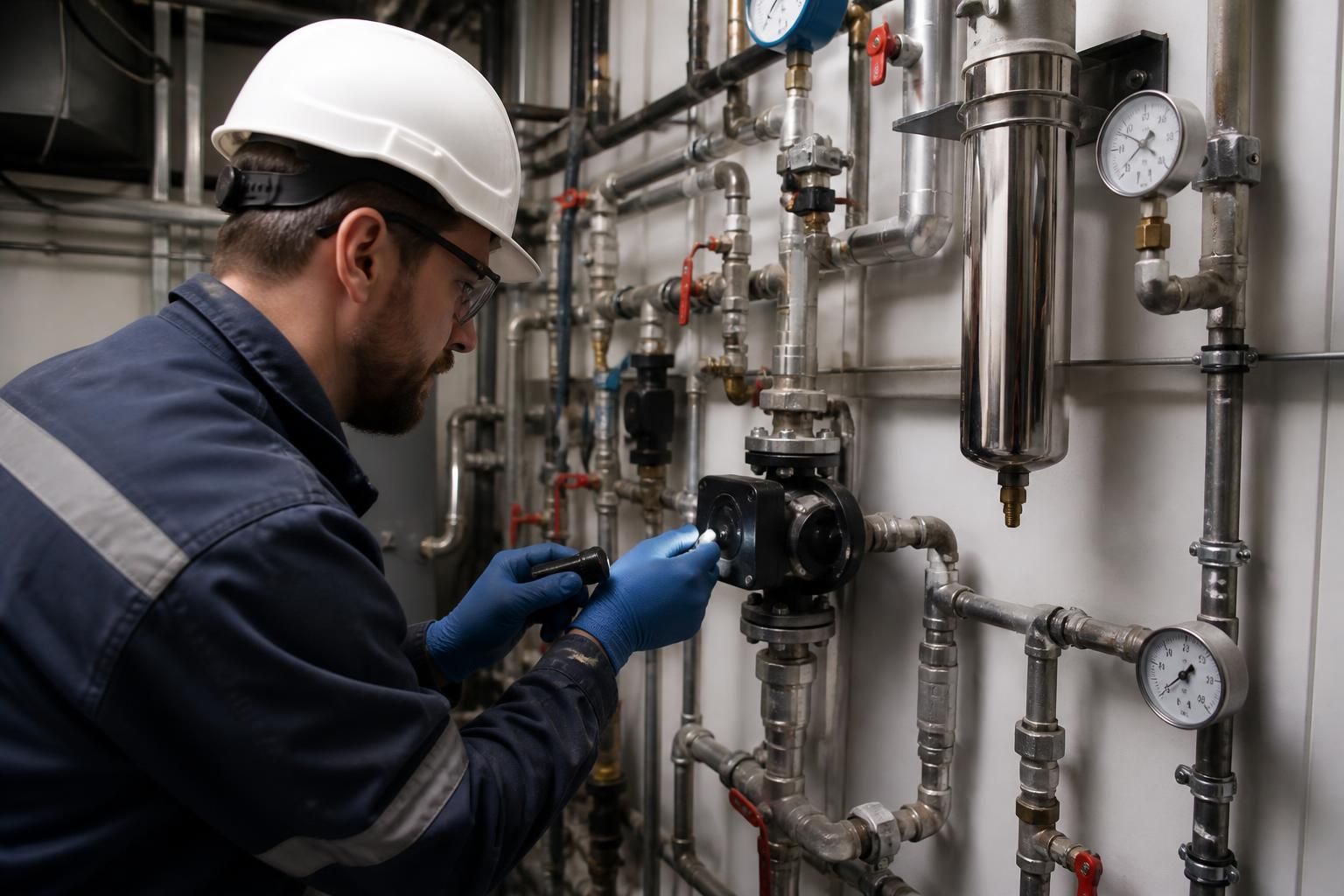
Disinfection is generally preferable where the principal problem is microbiological contamination and the water system remains physically suitable for safe operation. It can reduce or remove harmful organisms when the source of contamination is understood, the system can be isolated or controlled, and the treatment can be applied effectively throughout the relevant pipework, tanks, outlets and other components.
A decision to disinfect should follow an assessment of the findings rather than be based on a positive sample alone. The assessment should consider the organism identified, the extent and distribution of contamination, the condition and configuration of the system, storage and temperature controls, recent maintenance, usage patterns and the vulnerability of exposed occupants. A single contaminated outlet may require a different response from contamination identified across multiple parts of a distribution network.
Disinfection is often suitable in circumstances such as:
- microbiological contamination has been confirmed or is strongly suspected;
- a system has been taken out of use, altered, recommissioned or affected by an incident that could have introduced contamination;
- water storage tanks, calorifiers, pipework or outlets require treatment as part of a planned remedial programme;
- routine control measures have been interrupted and the system needs to be returned to a controlled condition; or
- sampling and inspection indicate that treatment can address the immediate contamination without extensive physical intervention.
The method must match the system and the circumstances. Thermal disinfection may be appropriate for certain hot-water systems where the equipment can safely achieve and maintain the necessary conditions. Chemical disinfection may be considered where heat treatment is unsuitable or where broader system treatment is required. Both approaches require controlled planning, attention to contact conditions, protection of users, suitable isolation and appropriate checks after treatment. Chemical products and procedures must be selected and used in accordance with relevant safety requirements and the system's materials and operating constraints.
Disinfection is not a substitute for removing conditions that allow contamination to recur. It is unlikely to provide a durable solution where there is persistent stagnation, excessive storage, inadequate temperature control, dead legs, poor circulation, faulty valves, contaminated tanks, biofilm that cannot be effectively treated, or access limitations that prevent complete treatment. In those circumstances, disinfection may form one stage of the remedial work, but alterations, component repairs, cleaning, removal of redundant pipework or replacement may also be necessary.
Repair is usually the more proportionate option where a specific defective component is creating the risk and can be corrected without treating the whole system. Examples may include a failed valve, damaged insulation, a faulty temperature-control device or a localised tank defect. Replacement becomes more appropriate when equipment is unsuitable for its duty, extensively degraded, inaccessible for reliable cleaning or incapable of meeting the required control arrangements. In such cases, disinfecting the existing installation alone may only provide temporary improvement.
Before treatment, the responsible person should ensure that the scope is defined and that affected users, outlets and services are identified. This may include:
- mapping the sections and outlets to be treated;
- removing or controlling sources of ongoing contamination where practicable;
- isolating equipment and protecting sensitive components;
- establishing safe arrangements for flushing, discharge and reinstatement; and
- recording the treatment method, locations, conditions achieved and any limitations.
Post-disinfection checks are essential. These may include inspection, flushing, temperature or other operational checks and follow-up water sampling where appropriate to the risk assessment. Results should be interpreted alongside system conditions, because a satisfactory result immediately after treatment does not demonstrate that underlying control measures will remain effective. Monitoring should therefore confirm that the system continues to operate within its intended control parameters.
For a commercial or industrial premises, the least disruptive option is not automatically the most suitable. A short, controlled disinfection may be preferable where it addresses a defined incident and the system can be safely returned to use. Conversely, repeated disinfection, recurring adverse results or evidence of continuing system deficiencies may indicate that further repair or replacement is the more effective long-term decision. Blue Fish Water Management can support this judgement through legionella risk assessments, water testing, compliance audits, system monitoring and remedial advice tailored to the findings.
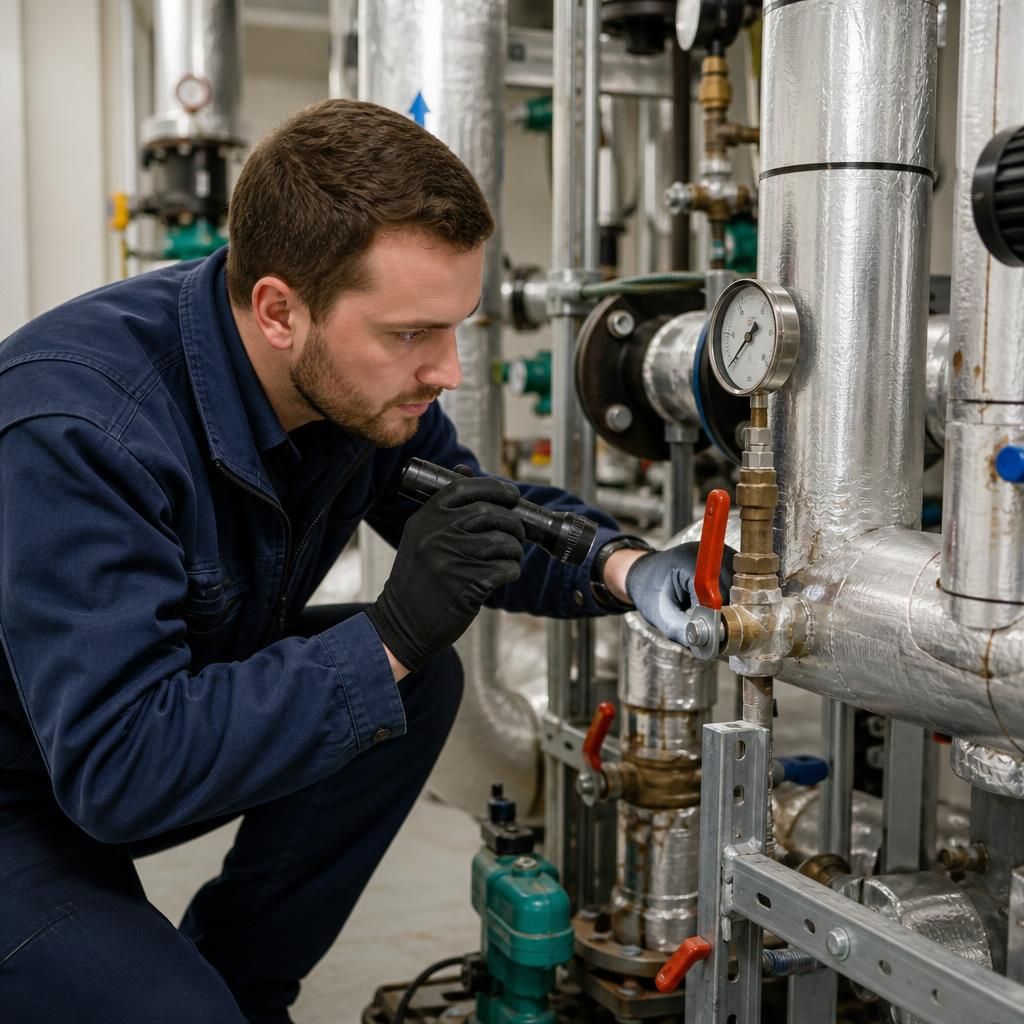
Disinfection can be the appropriate first intervention where contamination needs controlling before a permanent physical improvement can be completed. In that situation, it should be treated as a defined interim control rather than evidence that the underlying issue has been resolved. The responsible person should record which parts of the system were treated, what limitation remains, and what further repair, alteration or replacement is still required.
This approach is particularly relevant where planned works involve access restrictions, service interruptions or coordination with other building activities. Disinfection may reduce the immediate microbiological risk while those works are arranged, but continued monitoring should confirm that conditions remain controlled. If adverse findings return, the interim measure has not provided a durable solution and the original remedial decision should be reviewed.
Discuss Whether Disinfection Is the Right Remedial Action
If system findings leave uncertainty about whether disinfection, repair or replacement is appropriate, Blue Fish Water Management can review the evidence and advise on a proportionate remedial approach. Request a legionella risk assessment or water hygiene consultation based on your system’s condition and operational requirements.