
When is a biological oxygen demand test needed?
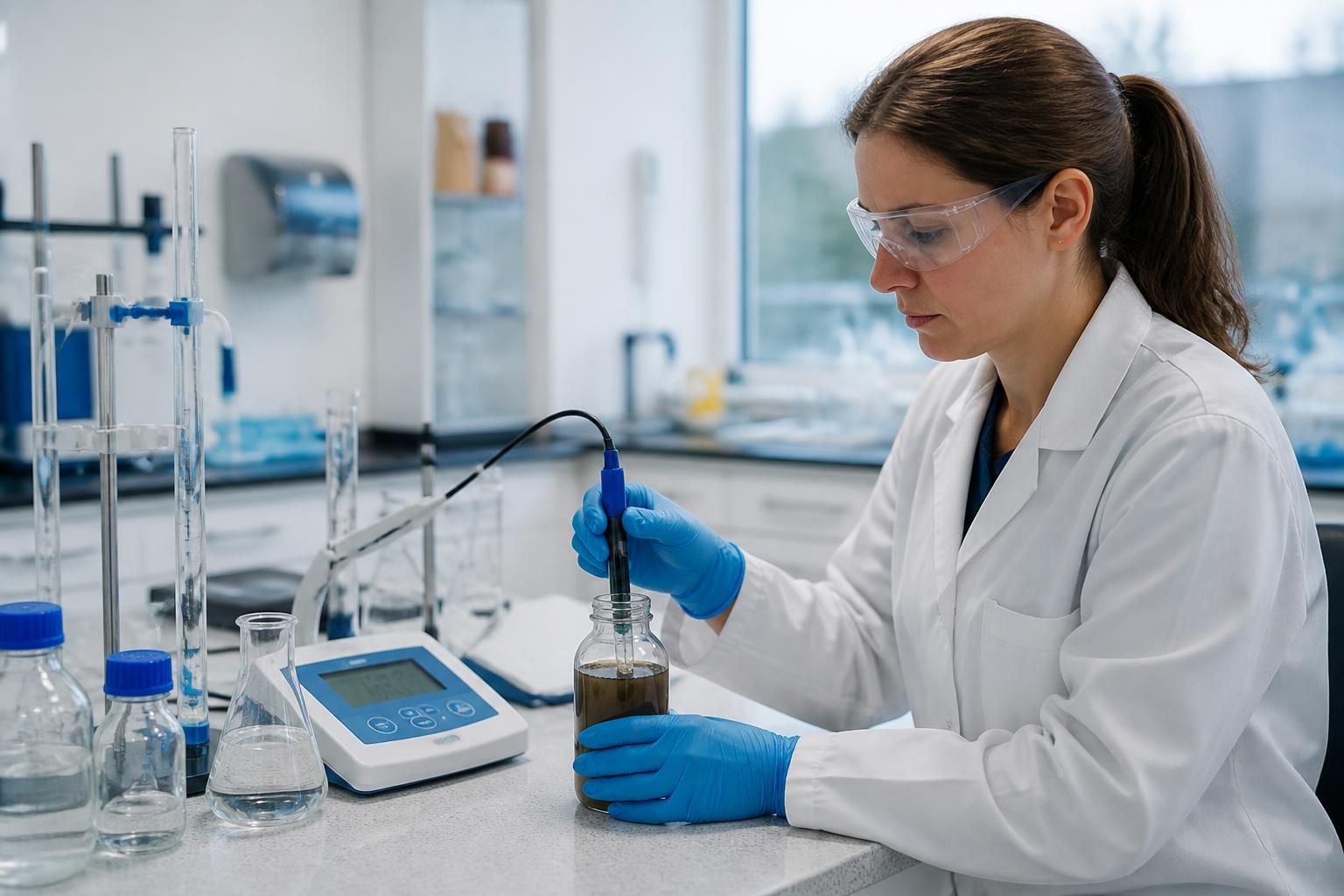
A biological oxygen demand test is needed when the biodegradable organic load in water must be quantified, particularly where that load could affect treatment performance, discharge quality or the oxygen balance of a receiving environment. It is most useful when the activity of microorganisms is relevant to the question being investigated, rather than simply the total amount of oxidisable material.
BOD testing is commonly considered for:
- Untreated or partially treated wastewater, to establish its organic strength before or during treatment.
- Final effluent, where the effectiveness of biological treatment needs to be checked against a consent, permit condition, internal target or investigation requirement.
- Trade effluent, where manufacturing, food processing, agricultural or other commercial activities may introduce biodegradable organic material into a drainage or treatment system.
- Wastewater treatment plants, to assess changes in incoming load, process performance and the quality of treated discharge.
- Surface water or watercourses affected by suspected organic pollution, where oxygen depletion could harm aquatic conditions.
- Site investigations, incident assessments and baseline surveys, where a defensible measure of biodegradable pollution is required.
The test measures the dissolved oxygen consumed by microorganisms as they break down organic matter under controlled conditions. A result is therefore an indication of the biologically degradable portion of the sample. This makes BOD particularly relevant where the concern is how wastewater may behave in a treatment process or natural watercourse. It does not identify individual pollutants, and it should not be treated as a complete description of overall water quality.
BOD is often selected instead of, or alongside, chemical oxygen demand (COD). COD can indicate the oxygen demand associated with a wider range of oxidisable substances, including some compounds that microorganisms may not readily degrade. BOD is more directly relevant when the biodegradable fraction, biological treatment process or likely impact on dissolved oxygen is the main concern. Comparing both results can help indicate how much of the measured oxygen demand is readily biodegradable, although the relationship should be interpreted in light of the specific wastewater and test method.
A BOD test should be based on a representative sample. Sampling points need to reflect the question being asked: for example, wastewater may be sampled before treatment, between process stages or at the final discharge point. Flow conditions, production activity, cleaning operations, chemical dosing, weather and any unusual incident should be recorded because they can materially affect the result. Poorly chosen sampling times can produce a result that does not represent normal operating conditions.
Sample handling is also important. Microbial activity can continue after collection, so samples need suitable preservation, transport and analysis arrangements. The laboratory method should control factors such as temperature, incubation conditions, dilution, initial and final dissolved oxygen, and potential interference from substances in the sample. Where ammonia is present, nitrifying organisms may contribute additional oxygen demand. The laboratory may therefore need to consider whether a standard BOD result or a test that distinguishes carbonaceous demand is more appropriate.
Results are normally reported as an oxygen demand concentration, with the analytical method and test conditions clearly identified. A single result has limited value without context. Interpretation should consider historical results, the sample location, flow or production conditions, the relevant discharge requirements and any other measurements taken at the same time, such as COD, suspended solids, ammonia or dissolved oxygen. A high BOD result may indicate a substantial biodegradable load, but it does not by itself establish the source or determine the corrective action.
Testing may be needed as part of routine monitoring where a permit, consent, customer requirement or management plan calls for it. It can also be commissioned after a process change, abnormal discharge, treatment failure, change in raw materials, alteration to chemical dosing or unexplained deterioration in receiving-water conditions. Repeating the test is most informative when the sampling plan explains what has changed and ensures that results can be compared on a like-for-like basis.
For compliance work, the laboratory and sampling arrangements should be suitable for the purpose of the result. A UKAS-accredited water testing service can help establish the required method, sampling requirements and reporting format, while specialist water management advice can place the result within the wider operational and regulatory context. The appropriate scope of testing depends on the wastewater source, the treatment system, the discharge route and the decision that the result must support.
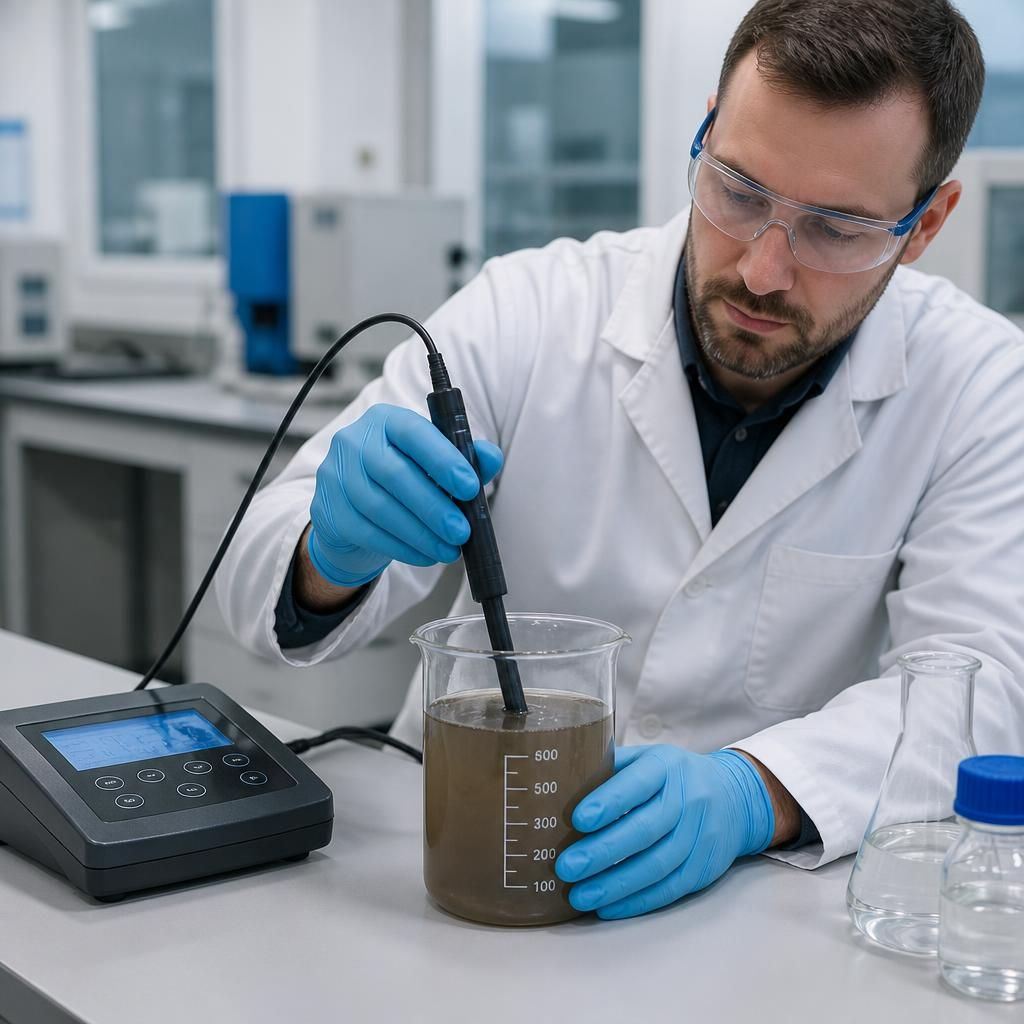
A BOD result represents oxygen consumption measured during a controlled incubation period, rather than an instantaneous reading of conditions at the sampling point. This means it is most useful for assessing biodegradable organic loading over the defined test conditions and for comparing samples collected using a consistent method.
For an active pollution incident or suspected treatment failure, BOD should therefore be considered alongside more immediate indicators such as dissolved oxygen, flow, suspended solids and relevant chemical measurements. The result can help confirm the biodegradable component of the load, but it should not be used alone to identify the source of pollution or determine an urgent operational response.
Discuss your biological oxygen demand testing needs
If you need to establish whether BOD testing is appropriate for your site, discuss the sampling requirements and reporting objectives with Blue Fish Water Management Ltd. Their water testing specialists can help identify a suitable approach for your operational or compliance needs.