
When is a chemical oxygen demand test appropriate?
A chemical oxygen demand (COD) test is appropriate when you need to quantify the oxygen required to chemically oxidise substances in a water or wastewater sample. It is particularly useful for assessing industrial effluent, monitoring treatment performance and identifying changes in overall pollutant loading where a rapid measure is needed.
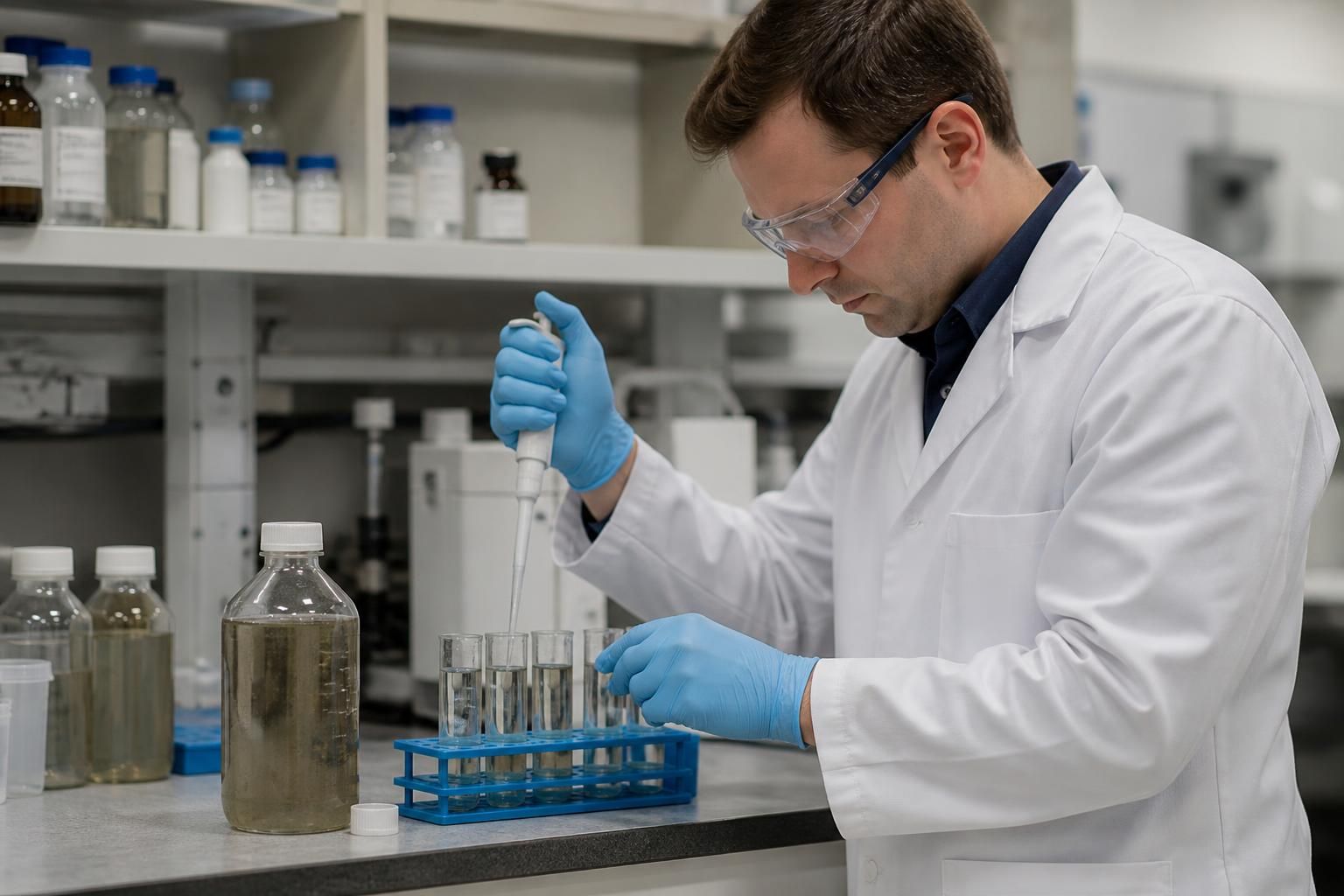
A chemical oxygen demand (COD) test is appropriate when the decision depends on the total amount of chemically oxidisable material in a water sample, rather than on a specific contaminant alone. It is especially useful where the sample may contain a mixture of organic and other reducing substances and a single oxygen-demand value will help compare conditions, investigate a change or assess the operation of a treatment process.
COD results are expressed as an oxygen equivalent. The test uses a strong chemical oxidising agent to react with substances in the sample, then determines the amount of oxidant consumed. The result does not represent a direct measurement of the oxygen that a receiving water would use in practice, but it provides a standardised indication of the sample’s overall oxidation demand.
Situations in which COD testing is commonly appropriate include:
- Industrial wastewater assessment: processes involving food, drink, chemical, pharmaceutical, manufacturing or other organic material can produce wastewater with a variable pollutant load. COD can help establish the strength of that wastewater and identify changes between sampling points or production conditions.
- Monitoring treatment performance: comparing samples before and after treatment can indicate whether a process is reducing the oxidisable load as intended. Results can be considered alongside flow, pH, suspended solids and other relevant measurements rather than interpreted in isolation.
- Investigating an unexpected change: a significant difference from a site’s normal results may indicate a change in raw materials, cleaning activity, production conditions, chemical dosing, process control or an unusual discharge. Further investigation is needed to identify the cause.
- Characterising a discharge: where wastewater is discharged to a sewer, treatment system or receiving environment, COD can form part of the evidence used to understand the composition and variability of the discharge. Any applicable consent, permit or receiving-site requirements should determine the testing schedule and reporting format.
- Comparing process streams: testing several points in a system can help show where the largest oxidisable load enters or is removed. This can support decisions about treatment stages, segregation of waste streams and the need for additional investigation.
COD is not suitable for every water quality question. It does not identify which substances produced the result, establish whether a contaminant is toxic, or show whether the organic material is readily biodegradable. A high COD result may be caused by several different substances, while a lower result does not confirm that the water is safe or compliant. Additional chemical, microbiological or physical tests are therefore often required.
The choice between COD and biological oxygen demand (BOD) depends on the question being asked. COD measures oxidation by chemical means, whereas BOD measures oxygen consumed by microorganisms under defined test conditions. COD is therefore useful for a broad measure of chemically oxidisable load, while BOD can provide information more closely related to the biodegradable fraction. Testing both may help compare total oxidisable material with the portion that microorganisms can break down.
Total organic carbon (TOC) is another related measurement, but it quantifies carbon rather than oxygen demand. COD and TOC may respond differently to the same sample because they measure different properties. The most appropriate test should be selected according to the process, the suspected contaminants, the required regulatory or operational decision and the information already available.
Sample quality is central to a meaningful COD result. The sample should represent the water being assessed, and the sampling point, date, process conditions and any unusual activity should be recorded. Changes in composition can occur during storage or transport, so the laboratory’s requirements for containers, preservation, handling and analysis should be followed. Samples containing high levels of chloride or other interfering substances may require a suitable method, correction or additional interpretation.
Results should be assessed against the purpose of the investigation rather than against a generic value. A useful review considers historical results, process conditions, other analytical parameters, discharge requirements and whether the sample was taken during a representative operating period. A single result can identify a need for further work, but trends and properly documented comparisons usually provide stronger evidence for operational decisions.
For a commercial or industrial site, a water chemistry testing programme can combine COD with BOD, TOC, suspended solids, pH, conductivity and targeted contaminant analysis where appropriate. A competent assessment of the process and discharge route can then determine which tests are necessary, how results should be interpreted and whether repeat sampling or remedial action is justified.
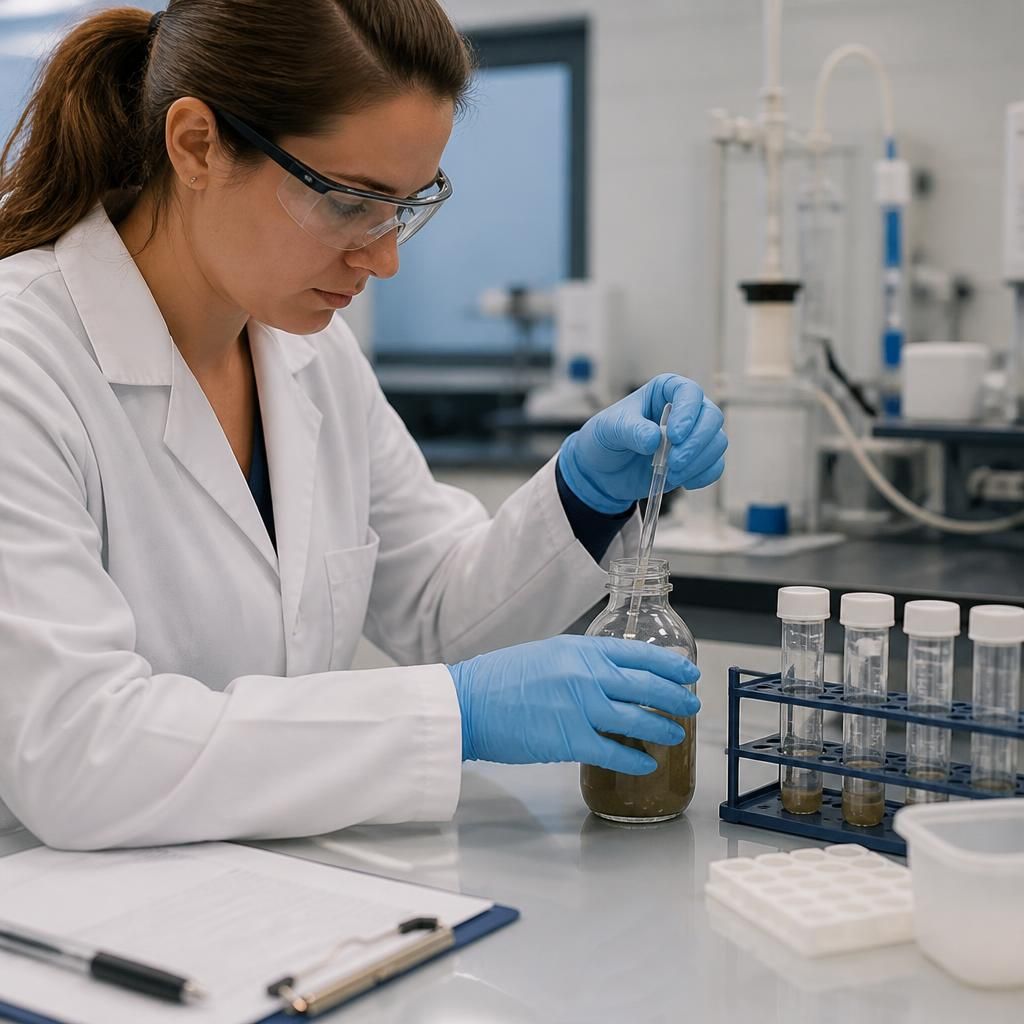
A chemical oxygen demand (COD) result normally describes the concentration of chemically oxidisable material in a water sample. For operational or discharge decisions, that concentration may need to be considered alongside the volume of water produced, because a change in flow can alter the total oxygen demand released even when the reported COD concentration appears similar.
This distinction is important when assessing variable industrial processes, drainage systems or treatment plants. A concentration result can help identify changes in wastewater strength, while flow data can help establish the overall pollutant load over a defined period. Where that distinction matters, the sampling plan should record representative flow conditions as well as the COD result.
COD is therefore most informative when the test method, sampling location and operating conditions remain consistent between samples. Results collected using a documented approach can support meaningful comparisons, whereas isolated concentration values may provide limited evidence about the wider performance of a process or discharge.
Assess whether a chemical oxygen demand test is appropriate
If you are unsure whether COD is the right investigation for your site, ask Blue Fish Water Management Ltd to review the process, discharge route and decision required before testing is commissioned.