
What evidence should a contractor provide after water tank leak repair?
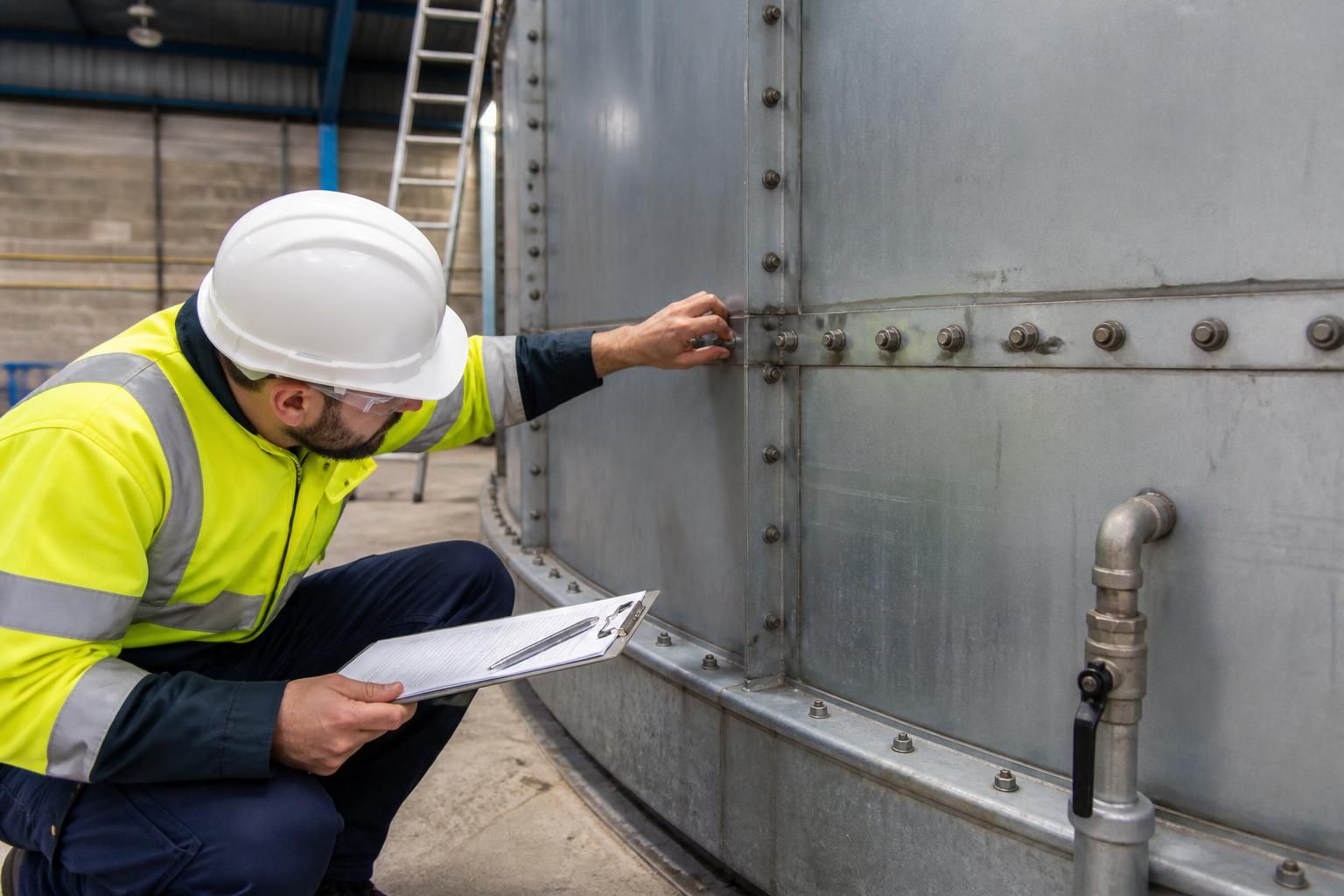
A contractor should provide an auditable completion record showing what caused the water tank leak, what was repaired or replaced, how the system was returned to service, and whether the repair created any water hygiene or compliance actions. The evidence should identify the affected tank and link the work to the site’s water safety records, rather than consisting only of an invoice.
Request a detailed work completion report. This should normally include:
- the site name, tank or asset identification, location and date of the work;
- the reported symptoms and the contractor’s findings, including the likely source and cause of the leak;
- the scope of work completed, including repairs, replacements, adjustments and any work that was recommended but not authorised;
- the materials, components and seals used, with relevant specifications where these affect potable water suitability or system compatibility;
- the names or roles of the people who carried out and checked the work; and
- any limitations, residual defects or conditions that could affect the repair’s performance.
Ask for evidence that the repaired tank is sound. Depending on the design and repair method, this may include a recorded inspection after completion, confirmation that joints and fittings were checked, and details of any controlled filling or leak observation carried out. If a pressure, flow or functional check was appropriate, the report should state the method, result and acceptance criteria. A simple statement that the tank was “tested” is less useful than a dated result linked to the relevant asset.
Check the recommissioning record. Water tanks may be isolated, drained, cleaned, repaired and refilled during the work. The handover information should therefore explain how isolation was removed, how the tank and connected pipework were flushed, and whether valves, overflows, warning arrangements, controls and access covers were returned to their intended condition. It should also record any temporary measures that remain in place and require later removal or review.
Obtain water hygiene evidence where the work could affect water quality. If the tank or connected system was opened, contaminated, cleaned or disinfected, request the relevant cleaning or disinfection record. Where sampling was required by the site’s risk assessment or water safety plan, obtain the sample report showing the sampling point, date, requested analysis, result and laboratory details. A Legionella result, where required, should be interpreted alongside the site’s control measures and not treated as a substitute for managing temperature, stagnation, cleanliness and system condition.
For premises with a written scheme of control, the contractor’s documents should make clear whether the repair changes any control measure, monitoring point, inspection frequency or maintenance instruction. A significant alteration may require the responsible person or water safety team to review the risk assessment, schematic, asset register or written scheme. The contractor should identify such a need, but the duty holder remains responsible for ensuring the site records are updated and actions are closed.
Photographic evidence can strengthen the record. Useful photographs show the affected area before work, concealed or damaged components where accessible, the completed repair and the final condition of access points or insulation. Images should be dated or clearly tied to the job report and should identify the asset. Photographs are supporting evidence, not a replacement for test results or a clear technical description.
Where parts have been replaced, retain product information, conformity or suitability documentation when relevant to the installation. This is particularly important where the component is in contact with wholesome water, forms part of a safety arrangement, or has a specified operating requirement. Keep warranties or manufacturer instructions with the asset record, but do not treat a warranty as proof that the installation was correctly commissioned.
The handover pack should also state what the site operator must do next. This might include a scheduled inspection, observation for renewed seepage, replacement of a temporary repair, remedial work to support the tank, or a follow-up water hygiene check. Each action should have an owner and due date. If no further action is required, the contractor should say so and explain the basis for that conclusion.
Before accepting the work, compare the evidence with the original problem and the site’s compliance arrangements. Confirm that the correct tank was repaired, the leak has been addressed rather than concealed, all agreed work is accounted for, and any water hygiene controls triggered by the intervention have been completed. File the report, certificates, laboratory results and photographs in the premises’ maintenance and water safety records. Missing evidence should be treated as an information gap to resolve with the contractor, particularly where the repair involved stored wholesome water or affected a controlled water system.
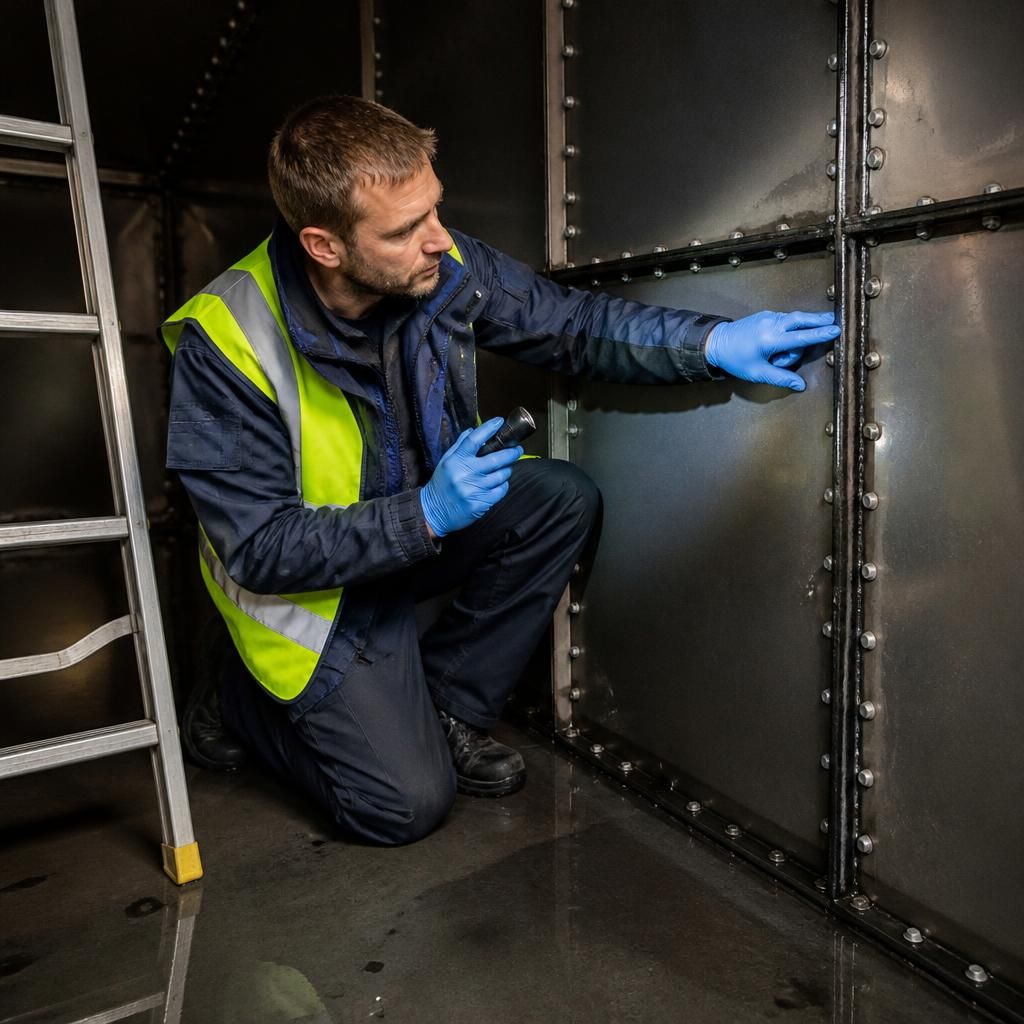
Evidence should be sufficiently controlled for another competent person to understand and verify it later. Request documents that are dated, clearly linked to the tank or asset, and identify the person who prepared or checked them. If a report is amended, the revised version should show what changed rather than replacing the original without explanation.
Store the completed report and supporting records together in the site’s maintenance or water safety system, with any outstanding actions easy to find. This prevents important information—such as a restriction on use, a temporary repair, or a required follow-up inspection—from being lost in email correspondence or separated from the asset history.
Request Guidance on Water Tank Leak Repair Evidence
If you need to check whether a contractor’s handover records adequately support your water safety arrangements, request guidance from Blue Fish Water Management Ltd on the evidence and follow-up actions relevant to your repaired tank.