
What preparation is needed before chlorinating a drinking water system?
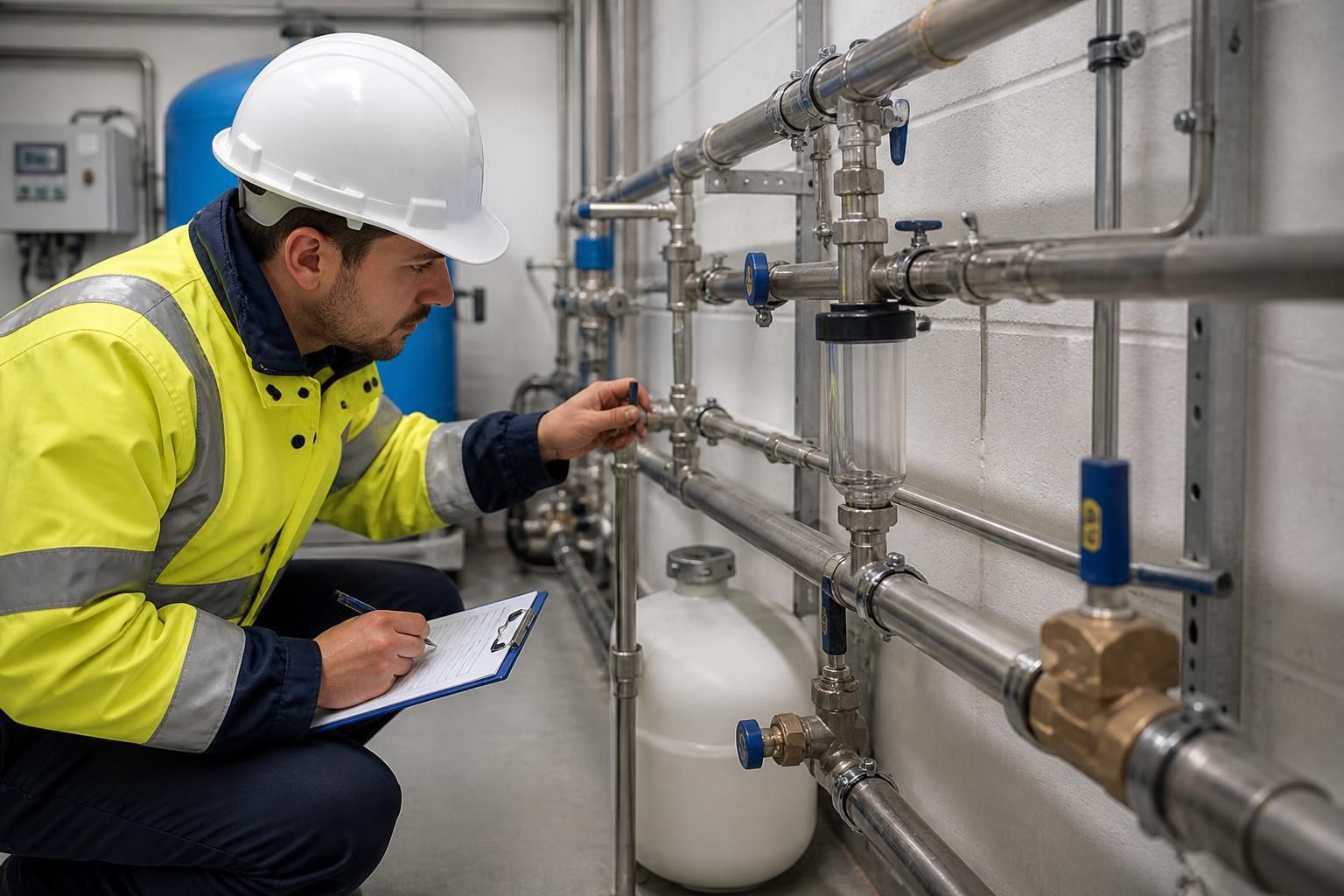
Preparation before chlorinating a drinking water system is a controlled planning stage that confirms the work can be carried out safely, legally and without compromising the supply. It should cover responsibilities, user protection, chemical controls, operational coordination, discharge arrangements and the records needed to demonstrate what was done.
Confirm who is responsible
The duty holder should appoint a competent person to coordinate the work and confirm who can authorise isolation, approve the method statement and decide when the system may be returned to service. The preparation should identify the responsible property or facilities manager, the contractor carrying out the chlorination and anyone responsible for water quality or compliance afterwards. Where a landlord, managing agent, tenant or principal contractor is involved, responsibilities should be agreed in writing rather than assumed.
The proposed method should be reviewed against the system’s risk assessment, water safety plan and any site-specific procedures. If the system serves more than one organisation, the parties should agree how access, notifications, records and recommissioning decisions will be managed.
Plan for people who depend on the supply
Users should be told what the work involves, which outlets or facilities will be affected and what restrictions will apply. This is particularly important in healthcare, care, education, residential and industrial settings, where an interruption or temporary change in water provision may affect hygiene, welfare or essential processes.
Consider whether an alternative supply is needed for drinking, handwashing, cleaning, food preparation, welfare facilities or production activities. The arrangement should identify how alternative water will be provided, kept hygienic and withdrawn when the system is safely restored. Facilities that rely on water-fed equipment may also need separate operating instructions during the work.
Prepare the safety documentation
A written method statement and risk assessment should describe the sequence of work, control measures, responsible persons and emergency arrangements. The assessment should address exposure to chlorine-based chemicals, pressurised systems, confined or poorly ventilated areas, slips and trips, manual handling, electrical equipment and unintended contact with treated water.
Chemical information should be available through current safety data sheets. The plan should specify suitable storage, handling, measuring and transfer arrangements, together with appropriate personal protective equipment and first-aid provisions. Chemicals must be kept away from incompatible substances, and staff should understand what to do in the event of a spill, splash or accidental release.
Only people with the necessary competence should handle treatment chemicals or operate the system during the work. Site inductions, permits and communication arrangements may be required, particularly where other contractors or members of the public could enter the work area.
Coordinate the site and the water supply
Before the treatment date, confirm access to plant rooms, tanks, valves, outlets, sampling points and drainage locations. Relevant keys, permits and escorts should be arranged in advance. The work area should be kept secure and clearly identified so that nobody uses an outlet or interferes with the process unintentionally.
Operational teams should understand which pumps, heaters, treatment devices, softened-water supplies or production processes need to be stopped or protected. Any automatic controls that could restart equipment or alter the water condition should be considered in the plan. Where the system forms part of a larger installation, interfaces with neighbouring systems should be checked so that treated water cannot enter an unaffected supply.
Establish how chlorinated water will be discharged
Discharge arrangements should be agreed before work begins. Chlorinated water should not simply be released to a drain, surface water system, watercourse, ground or sewer without considering the receiving environment and any requirements of the relevant authority or sewerage undertaker. The plan may need to cover dechlorination, flow control, suitable discharge points and protection against flooding or contamination.
The person managing the work should confirm whether permission, notification or specific conditions apply at the site. The discharge method should also protect building materials, drainage systems and nearby watercourses. Any neutralising chemicals must be selected, stored and used by competent personnel in accordance with their safety information.
Set the acceptance criteria before treatment
Agree in advance what evidence is required before the drinking water system is put back into normal use. This may include treatment records, measurements, laboratory results, flushing records, details of any deviations and confirmation that outlets and equipment have been reinstated correctly. The responsible person should know who reviews the evidence and who gives final approval for recommissioning.
Records should identify the system or area treated, the date, the people involved, the method used, chemical details, relevant observations and the outcome of post-treatment checks. Keeping this information with the site’s water safety records creates an auditable history and helps inform future maintenance or investigation.
Preparation is complete only when the work can proceed with agreed responsibilities, suitable controls, protected users, a lawful discharge route and clear evidence requirements. If any of these matters remains unresolved, chlorination should be postponed until the competent person has reviewed and addressed the issue.

Preparation should include a clear sampling plan before chlorination begins. Establishing the existing water quality helps determine whether the proposed treatment is appropriate and provides context for interpreting results after the system has been flushed and returned to use.
Identify representative sampling points across the system, including the incoming supply, storage arrangements where relevant, remote outlets and areas with known stagnation or low use. The plan should state:
- which outlets or sections will be sampled;
- whether samples are required before treatment, after flushing or at both stages;
- who will take the samples and which laboratory will examine them;
- how samples will be labelled, stored and transported; and
- which findings would require further investigation before chlorination proceeds.
Sampling points should be accessible, hygienic and clearly linked to the system drawing or asset register. If the results indicate a wider fault, such as persistent stagnation or contamination entering from an upstream part of the installation, dosing alone may not resolve the underlying issue. The competent person should therefore review the findings alongside the system survey before confirming the treatment plan.
Discuss preparation for chlorinating your drinking water system
Discuss your proposed chlorination with Blue Fish Water Management Ltd to review the preparation requirements for your drinking water system and identify any information needed before planning the work.