
What follow-up support does a chlorine disinfection provider offer after treatment?
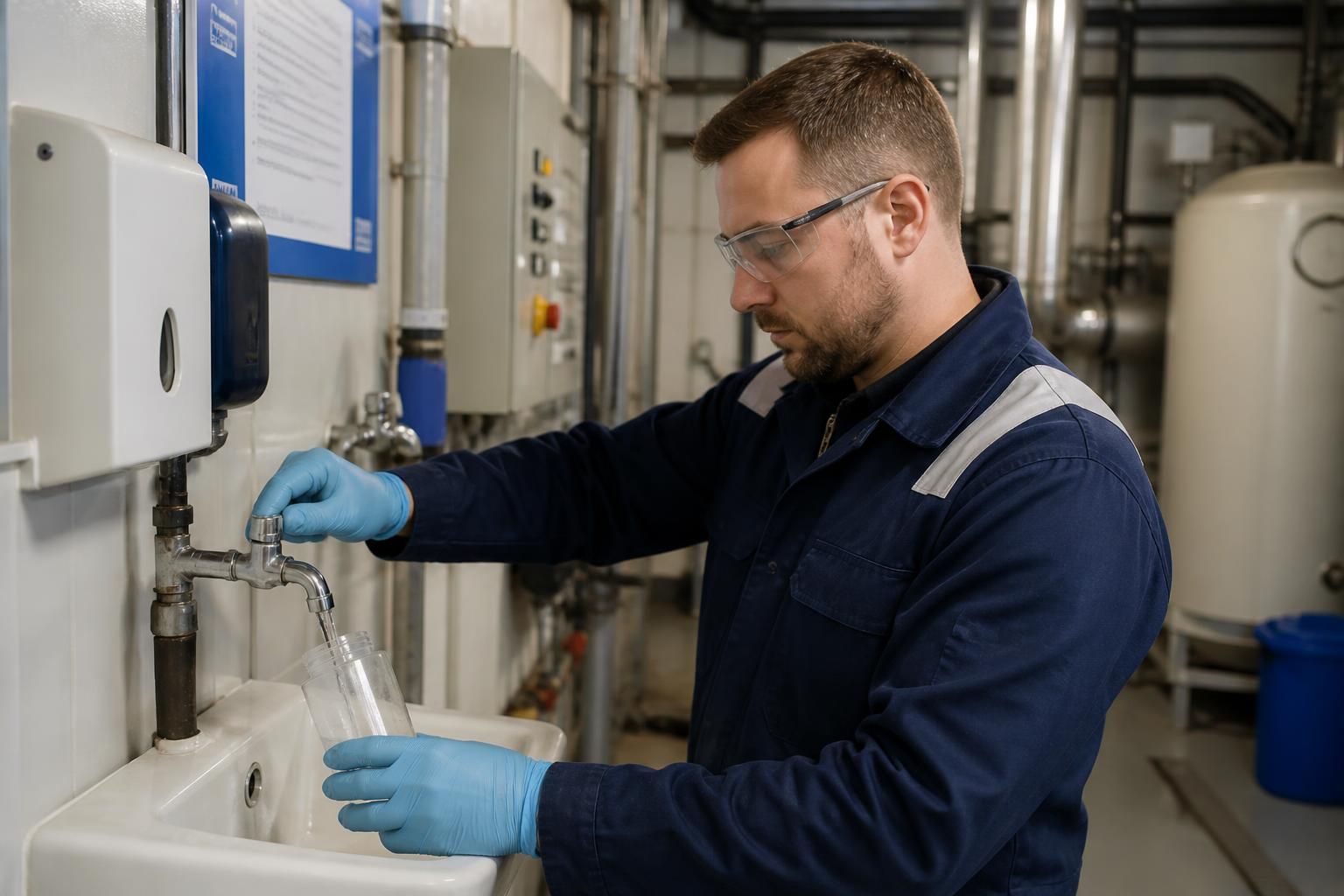
Follow-up support from a chlorine disinfection provider should help the responsible person move from completed treatment to sustained control of the water system. It commonly includes a structured handover, interpretation of post-treatment evidence, advice on maintaining the system and assistance when the underlying cause of contamination has not been fully resolved.
Post-treatment handover: The provider should explain what work was carried out, which parts of the system were included and any limitations affecting the treatment. A useful handover also records relevant operating conditions, outstanding issues and the steps required before the system is returned to normal use. This gives the site’s responsible person a clear basis for managing the system after the contractor has left.
Interpretation of findings: Follow-up support is more useful when results are considered in context rather than treated as a simple pass-or-fail outcome. The provider may explain what the findings indicate about different parts of the system, whether further investigation is appropriate and whether an unexpected result could be linked to sampling conditions, system operation or a continuing hygiene issue. Where evidence is inconclusive, the next stage may involve additional sampling or a targeted technical review.
Embedding ongoing controls: Chlorine disinfection addresses contamination present at the time of treatment, but it does not automatically remove the conditions that allowed the problem to develop. A provider may therefore help incorporate the outcome into the site’s water safety arrangements, including responsibilities for routine checks, flushing, temperature control, storage and escalation. This is particularly important where low-use outlets, dead legs, storage tanks or changes in occupancy can affect water quality.
Investigation of recurring problems: If the same issue reappears, appropriate follow-up should look beyond repeating disinfection. The provider may investigate hydraulic design, stagnant sections, inadequate turnover, plant condition, biofilm, ingress or operational weaknesses. Identifying the contributing factor helps the client decide whether the correct response is altered operation, system modification, cleaning, component replacement or further treatment.
Remedial works and validation: Where physical or operational defects are identified, support can include defining the required remedial work, prioritising actions according to risk and checking that completed work has addressed the relevant issue. Any subsequent verification should be linked to the original concern, so the client can distinguish between treatment of the immediate symptom and correction of the underlying defect.
Training and practical guidance: Follow-up may also include instruction for site staff or the responsible person. Topics can include safe operation of outlets, routine flushing, record completion, recognising abnormal conditions and escalating concerns. Training is most effective when it reflects the actual system and assigns clear ownership rather than providing general advice alone.
Records and review: The client should retain the treatment record, relevant sampling information, explanations of findings, agreed actions and evidence of any follow-up work. These records support future audits and make it easier to identify changes in system performance. A later review can then assess whether the controls remain suitable after alterations to the building, occupancy, plant or water system.
Before appointing a provider, a business should ask what is included after treatment, who explains the findings, how unresolved risks are escalated and whether follow-up visits, further sampling, training or remedial support are separate services. The exact package should reflect the system’s risk profile and the responsibilities set out in the site’s water safety arrangements.
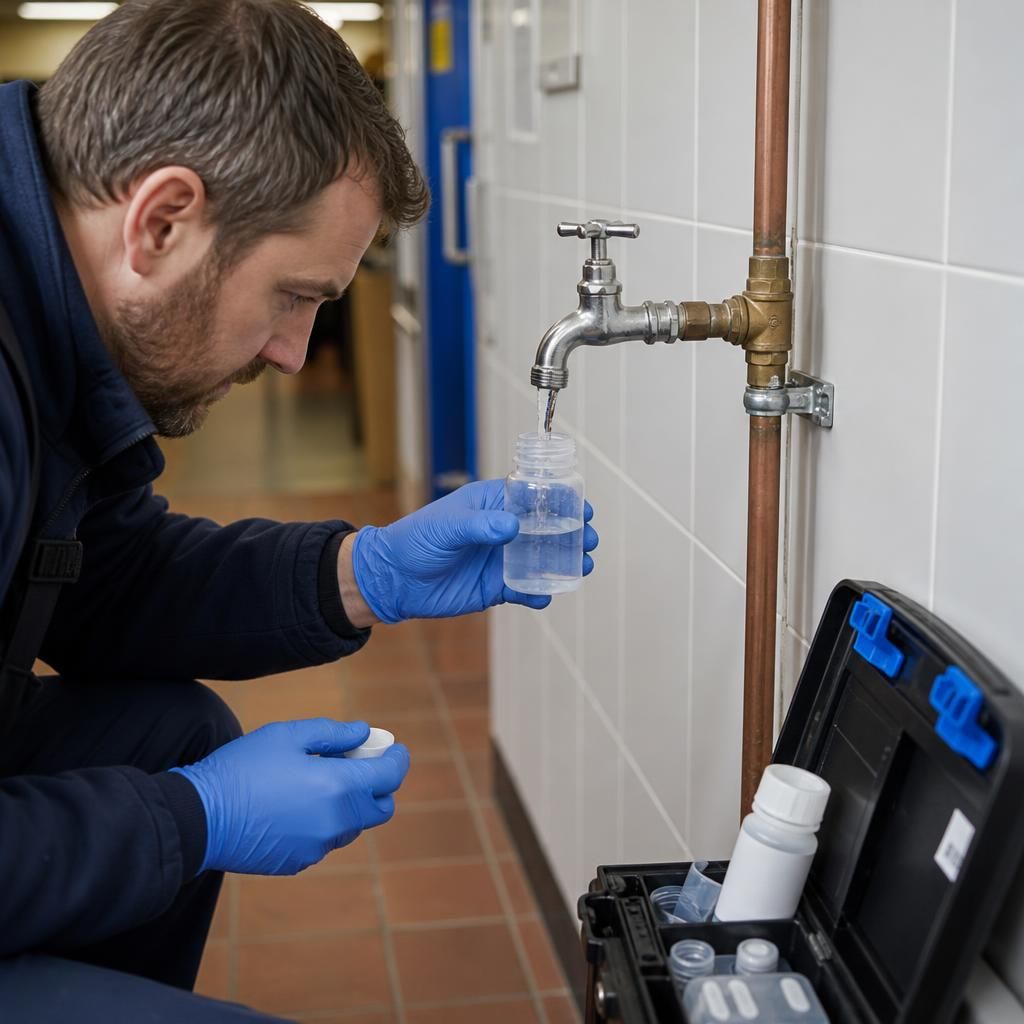
A useful follow-up service should include a defined post-treatment sampling plan, not simply a request for one water sample. The provider should identify representative outlets and relevant system points, explain when samples should be taken, and specify which microbiological or chemical parameters are being tested.
Sampling locations should reflect the original concern and the way water moves through the system. Depending on the installation, this may include outlets, storage or distribution points and areas where contamination was previously detected. The provider should also explain how samples are labelled, handled and submitted to the laboratory, so the results can be reliably linked to the correct part of the system.
This approach gives the responsible person stronger evidence when deciding whether the system can return to routine operation or needs further action. It also makes later comparison more meaningful if water quality concerns recur.
Discuss your post-treatment support needs
Discuss your post-treatment support needs with Blue Fish Water Management Ltd to clarify the follow-up actions, evidence and ongoing controls appropriate for your water system.