
What preparation does a chlorine disinfection provider require before treatment?
Before chlorine disinfection, a provider requires relevant water-system information, previous monitoring or test results, access to the site and confirmation of how the system can be isolated and drained. The preparation should also cover a site-specific risk assessment, treatment scope, safety controls, flushing arrangements and any precautions needed to protect users, equipment and water quality.
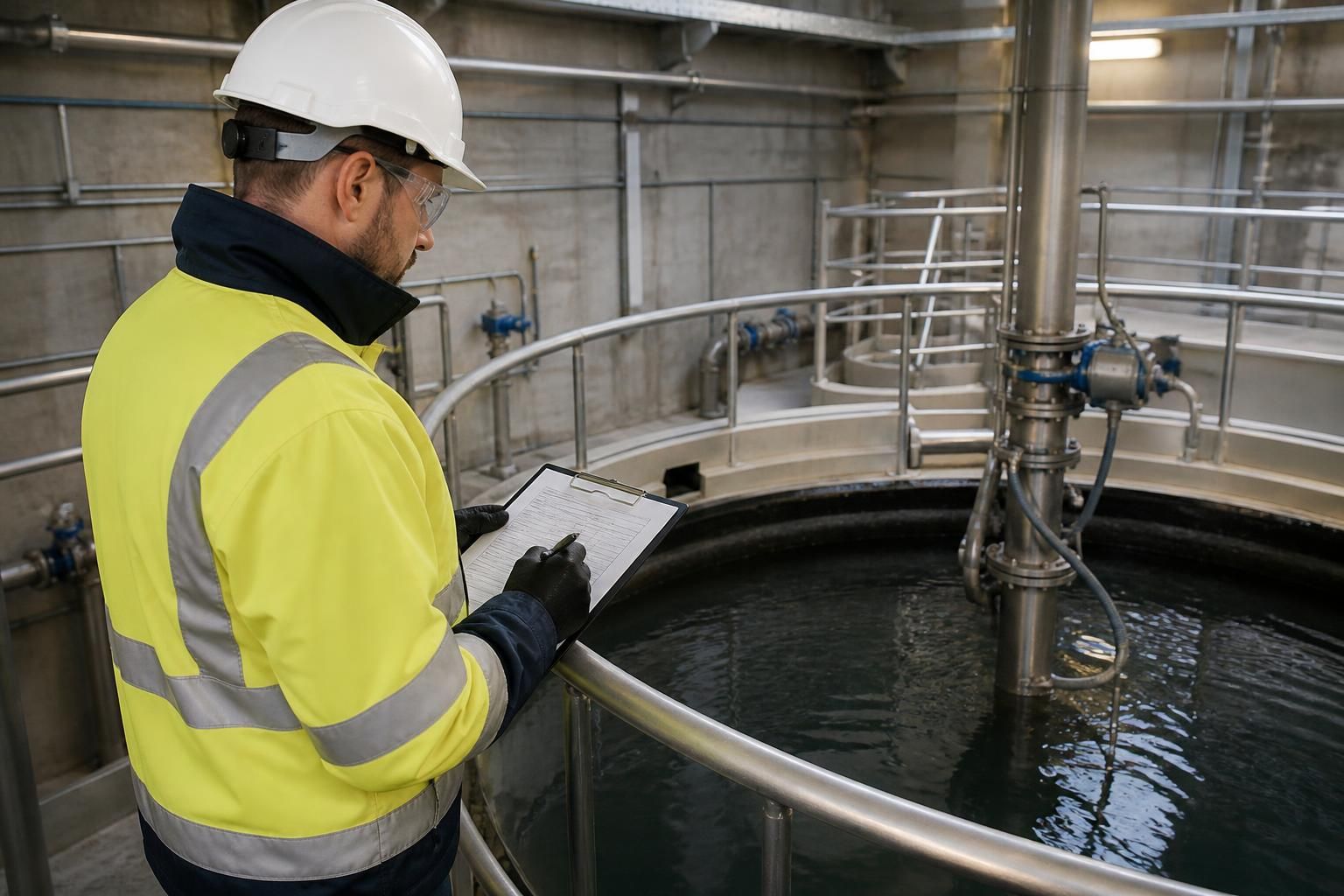
A chlorine disinfection provider needs enough technical, operational and administrative information to confirm that treatment is suitable, define how the system will be managed and prevent avoidable disruption. Preparation normally begins with a review of the water system, its intended use and the people responsible for authorising and coordinating the work.
Information the provider may request
- Up-to-date schematic drawings, asset registers and details of storage tanks, calorifiers, booster sets, pumps, dosing equipment and distribution pipework.
- The system’s normal operating arrangements, including flow patterns, periods of low demand, known dead legs, little-used outlets and any sections that cannot be reached by disinfectant.
- Details of pipework and component materials, particularly where chlorine compatibility could be relevant.
- Records of previous alterations, repairs, contamination events, complaints, microbiological findings and remedial work.
- Information about the premises’ use, vulnerable occupants, critical processes and any areas where interruption to the water supply could create operational problems.
This information helps the provider identify sections that may need separate attention and determine whether the system can be treated as one connected installation or must be divided into manageable zones.
System readiness checks
Before treatment is scheduled, the provider should establish whether tanks, pipework, valves and outlets are in a condition that allows effective disinfection. Excessive scale, sediment, corrosion, biofilm or damaged components can reduce contact between the disinfectant and the internal surfaces. Cleaning, repairs or component replacement may therefore need to take place before chlorine is introduced.
The provider may also check that valves operate correctly, drain points are usable, sampling points are representative and all relevant outlets can be opened during circulation and flushing. If the installation contains equipment that must be bypassed or protected, this should be identified before the method is agreed rather than during the treatment itself.
Coordination with the responsible person
A named site contact should be available to confirm the system layout, approve the proposed work and coordinate access to plant rooms, tanks, risers, outlets and restricted areas. The client should also confirm who can authorise isolation, drain-down, recommissioning and return to service.
Users and affected departments may need advance notice that water services will be unavailable or subject to restrictions. Where the premises supports healthcare, food production, laboratories, accommodation or other critical activities, the provider should be given details of processes that cannot be interrupted and any alternative arrangements already being considered.
Documents and site controls
The preparation should include the documents needed to control the work on that particular site. Depending on the premises, these may include a method statement, chemical safety information, permit-to-work arrangements, contractor induction requirements, emergency contact details and procedures for dealing with spills or accidental exposure. The provider should confirm how chlorine will be transported, stored, introduced and removed from the system, with responsibilities clearly allocated between the contractor and the client.
Where other contractors or maintenance teams are working on the building, their activities should be coordinated so that valves are not operated unexpectedly and treated sections are not brought back into use prematurely. Clear notices, lock-off arrangements and a documented handover can help prevent confusion during the work.
Planning the treatment method
The provider will use the available information to agree practical details such as:
- Which parts of the installation are included or excluded.
- Where disinfectant will be introduced and how it will be distributed.
- Which outlets need to be opened to demonstrate that treated water has reached the intended parts of the system.
- How contact conditions will be checked and recorded.
- Where treated water will be discharged and whether that discharge requires additional controls.
- How the system will be reinstated and verified before normal use resumes.
These decisions should be recorded before work starts. If the actual system differs from the drawings or information supplied, the provider may need to revise the method rather than proceed on assumptions.
Checks before returning the system to use
Preparation should also define the evidence required after disinfection. This can include records of chemical measurements, observations during circulation and flushing, details of any inaccessible sections, and confirmation that outlets and equipment have been dealt with as planned. Any post-treatment sampling or additional verification should be agreed in advance, including who receives the results and who decides whether the system is suitable for normal operation.
In practice, the strongest preparation is a documented exchange of information between the provider and the responsible person. It gives the contractor a reliable understanding of the installation, highlights obstacles before chemicals are introduced and creates a clear basis for authorising, monitoring and closing out the treatment.
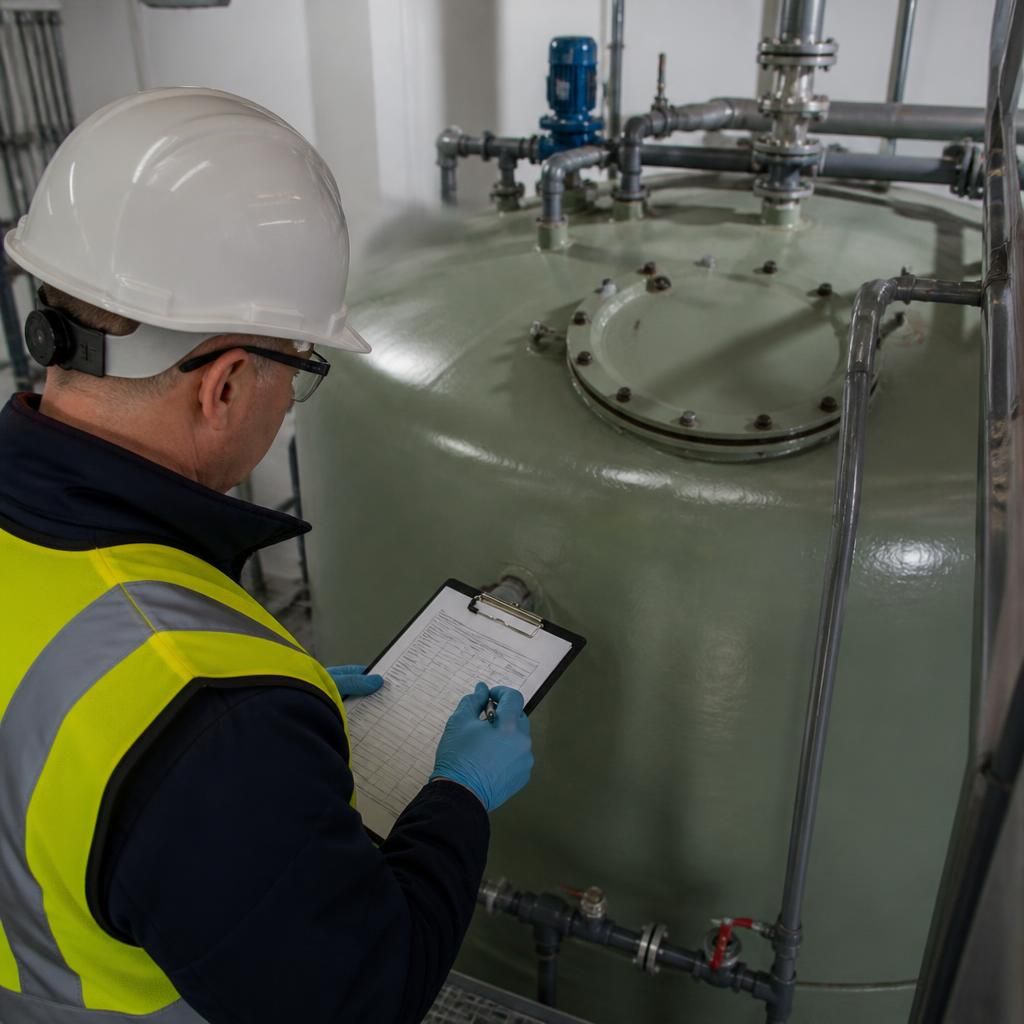
Preparation should include a practical assessment of how the contractor will work safely around the installation. Access to a tank or plant room is not sufficient if the route involves working at height, confined spaces, restricted ventilation, poor lighting, difficult manual handling or an unsafe approach to valves and sampling points.
The provider should be told about these conditions before the treatment method is finalised. This allows suitable access equipment, personal protective equipment, ventilation measures and supervision to be included in the work plan. It can also identify areas that require a separate specialist control rather than being treated as routine access.
Discuss your chlorine disinfection preparation requirements
If you are planning chlorine disinfection, discuss the installation and proposed treatment arrangements with Blue Fish Water Management Ltd before work is scheduled. This can help clarify the information, site controls and verification requirements for your premises.