
What timescales apply to chlorination for water testing?
Chlorination for water testing is normally planned as a sequence of preparation, disinfection, contact, flushing, sampling and laboratory reporting. The timescale is therefore set by the condition and configuration of the water system, the agreed treatment method and the purpose of the testing, rather than by a standard appointment length.
Before chlorination begins, the provider may need to review system records, identify storage tanks, pipework, outlets and dead legs, and confirm which areas are included. Access arrangements, isolation points and any restrictions on using the water system should also be agreed. A larger or more complicated installation can require additional preparation because sections may need to be treated separately or checked for effective circulation.
The on-site treatment period includes introducing the calculated chlorine dose, circulating or distributing it through the relevant parts of the system and maintaining the required contact period. Contact time must not be shortened simply to fit an appointment: the appropriate duration depends on the treatment procedure, the chlorine concentration, water conditions and the level of contamination or control being investigated. The provider should record the treatment conditions and any checks made during this stage.
Flushing follows chlorination and can be a significant part of the programme. Treated water must be removed from the system in a controlled manner, with flushing continuing until the relevant checks show that the system can be returned to service. The amount of water involved, the number of outlets, pipework volume, flow rates and the presence of tanks or storage vessels all affect how long this takes. Poor flow, blocked outlets or inaccessible sections may require further investigation before flushing is complete.
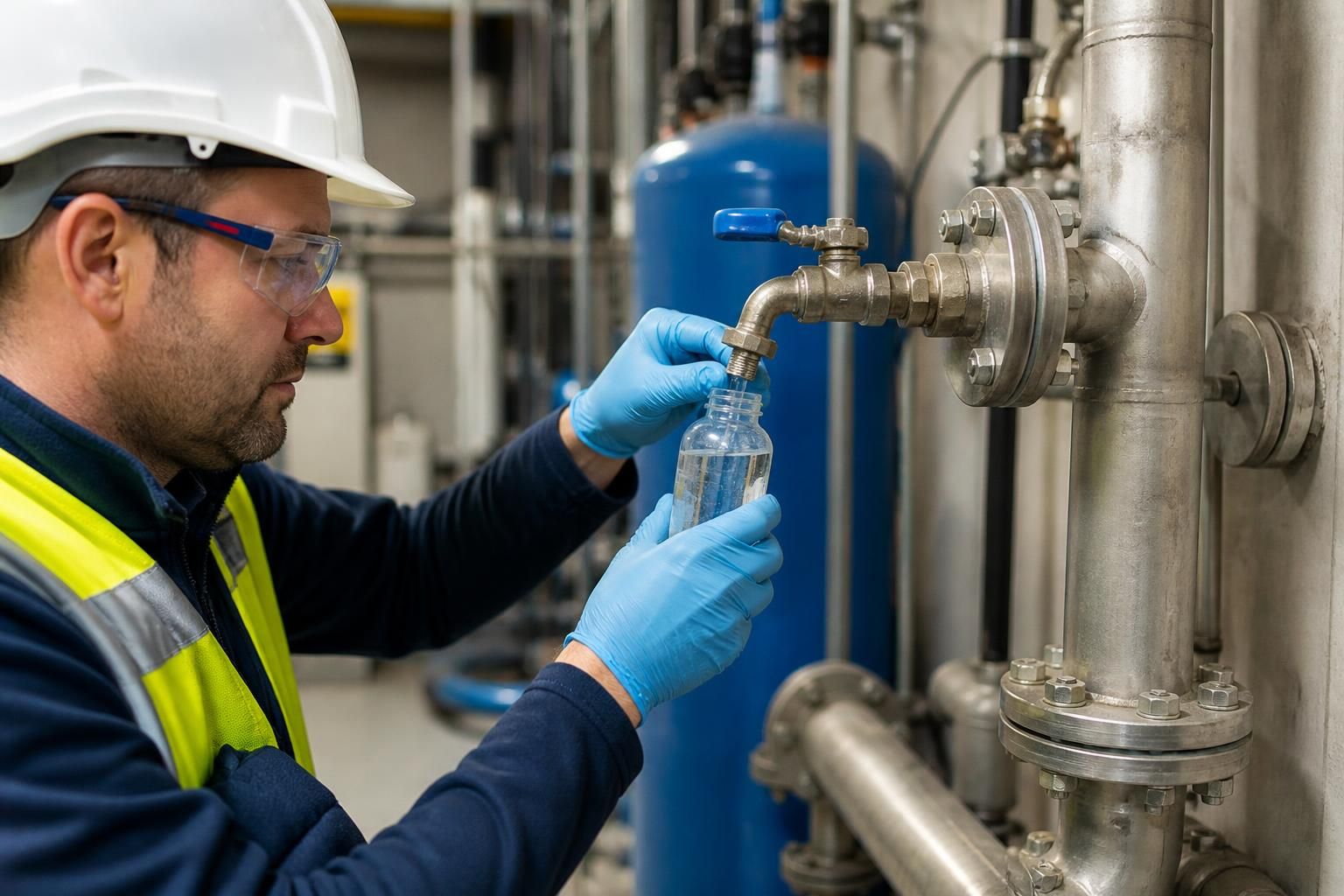
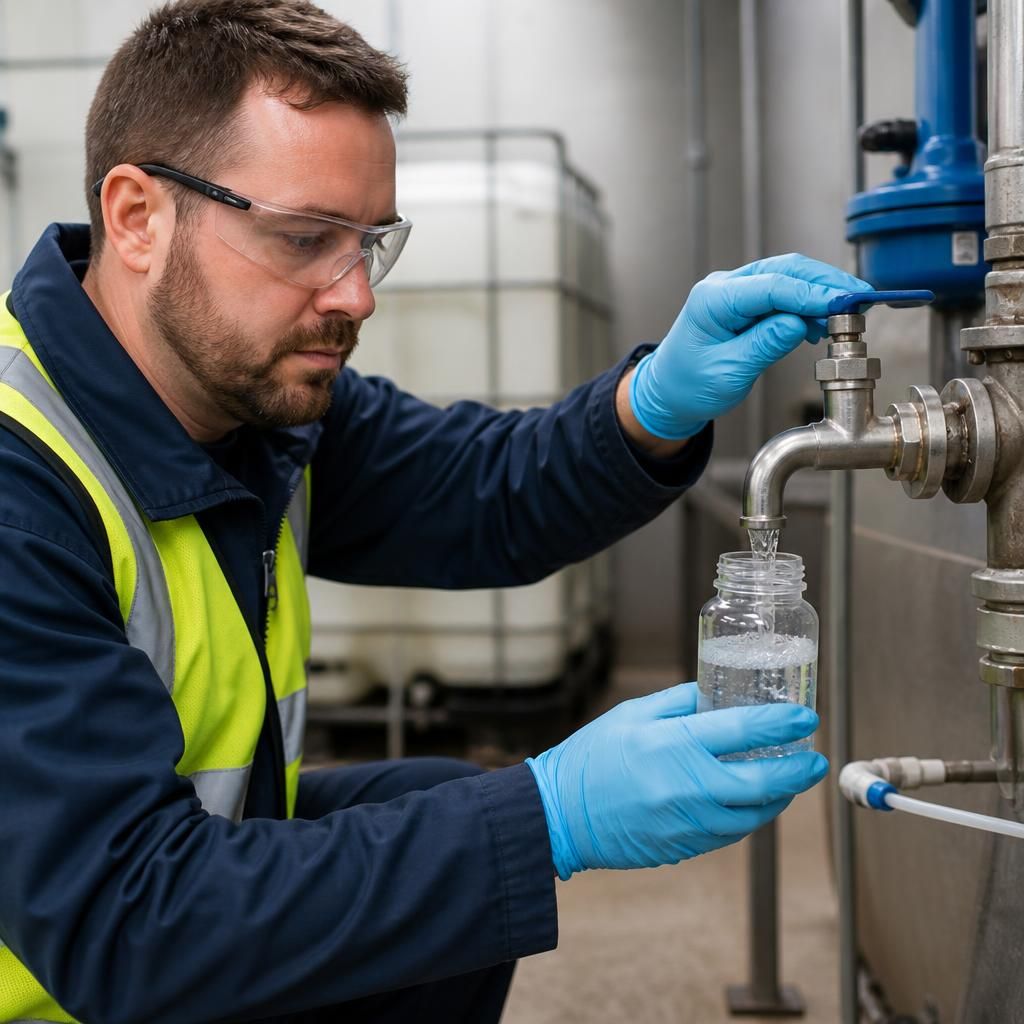
Sampling is carried out only when the system has reached the condition required by the sampling plan. Samples need to be taken from correctly selected points using suitable containers and procedures, with sample details and collection times recorded accurately. If the purpose is to verify that disinfection has been effective, the sampling points should represent the treated system rather than only the most convenient outlets.
After collection, samples must reach the laboratory within the applicable handling and transport conditions. The reporting stage then depends on the analysis requested and the laboratory's reporting process. A provider should distinguish between the time needed to collect samples and the time needed to issue final results, because laboratory analysis is not completed on site. Results may also need technical review where findings are unexpected or do not align with the treatment records.
A practical programme should allow time for possible changes. Examples include:
- difficulty isolating a section of the installation;
- insufficient flow at an outlet;
- chlorine demand caused by deposits, biofilm or contaminated storage;
- the need to repeat flushing or collect additional samples; and
- laboratory findings that require confirmation or further investigation.
Where chlorination is part of a planned validation exercise, it should be coordinated with building use, water-system access and any activities that depend on the supply. The responsible person should receive a written programme stating the planned treatment stages, system areas included, restrictions during the work, sampling arrangements, reporting point and the actions to follow if results are unsatisfactory.
Blue Fish Water Management can advise businesses nationally on the sequencing of chlorination, sampling and follow-up testing as part of a wider water hygiene programme. The most reliable timescale is one based on the specific system survey and agreed testing objective, with contingency allowed for additional flushing, repeat sampling or remedial work where the evidence requires it.
When comparing chlorination timescales, check what the quoted period actually includes. An on-site treatment duration is not the same as the time needed to complete sampling, laboratory analysis and technical reporting. A clear programme should identify the point at which the work is considered complete, such as the end of treatment, collection of samples or issue of the final report.
This distinction helps the responsible person coordinate access, system use and compliance records without assuming that chlorination has been fully verified as soon as the treatment stage ends.
Discuss your chlorination testing timescales
Discuss your chlorination testing timescales with Blue Fish Water Management to establish a practical programme suited to your water system, access requirements and testing objectives.