
How does a provider protect sample integrity during chlorination testing?
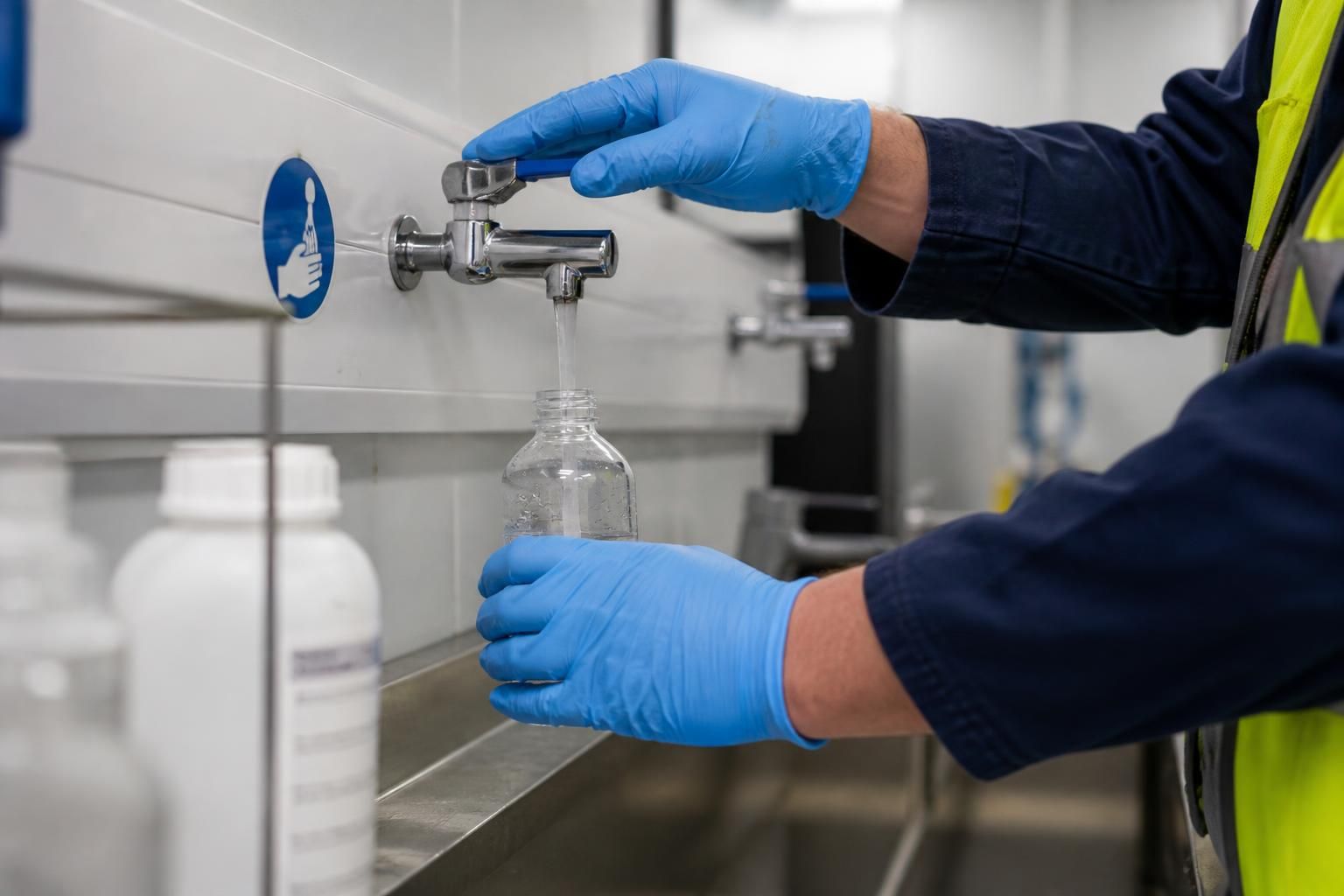
Sample integrity during chlorination testing is protected by controlling the sample’s condition from the point at which water is taken through to the production of the result. The provider must ensure that disinfection does not continue inside the container, that the sample remains representative of the system, and that any change in condition is identified before the result is interpreted.
A key control for microbiological samples is the use of sterile containers prepared with a suitable chlorine-neutralising agent, commonly sodium thiosulfate. This neutralises residual chlorine in the bottle so that it does not continue killing or inhibiting microorganisms after collection. Without neutralisation, the laboratory result could understate the microbial condition of the water at the sampling point.
The sampling plan also protects integrity by defining what is being tested and why. A provider considers the purpose of the test, the section of system affected by chlorination, the relevant outlets or tanks, and whether samples are needed before, during or after a treatment stage. Sampling a point that has not been exposed to the relevant process, or taking a sample while the system is still changing, can produce a technically accurate result that does not answer the intended question.
Before taking the sample, the outlet and surrounding area are assessed for conditions that could introduce contamination. The sampler avoids contact between the inside of the container, its cap and external surfaces, and does not place the cap or container where contaminants can enter. Where the method requires it, the outlet is prepared and allowed to run in a controlled manner so the sample represents the water in the intended part of the installation rather than stagnant water at the outlet.
Timing is another important part of sample integrity. Chlorination can temporarily alter microbial numbers and disinfectant residuals, so the sample time is recorded in relation to dosing, circulation, flushing and any other relevant operation. If a sample is taken too early, it may reflect treatment that has not reached all parts of the system. If it is taken after an unrecorded delay or an intervening operation, the result may no longer represent the condition that the test was intended to verify.
Providers should keep a clear record of the conditions surrounding each sample, including:
- the exact sampling point and system section;
- the date and time of collection;
- the type of test requested;
- relevant chlorine residual or other field observations;
- the treatment or system status at the time of collection; and
- any departure from the planned sampling method.
These records allow the laboratory result to be assessed alongside the conditions under which it was obtained. Field measurements can be particularly useful where the result depends on the relationship between microbial testing and disinfectant residual. They do not replace laboratory analysis, but they provide context and may identify a result that needs investigation rather than straightforward acceptance.
Transport arrangements are selected according to the test method and the nature of the sample. The objective is to prevent excessive warming, freezing, prolonged storage or physical damage from altering the sample before analysis. Samples are therefore transferred using suitable containers and handling controls, with the submission information kept linked to the correct sample throughout the process.
On receipt, the laboratory or testing provider checks whether the sample is suitable for examination. The sample may need to be rejected or reported with a qualification if, for example, the container is damaged, the volume is inadequate, the seal is compromised, the identification is inconsistent, or the permitted holding conditions have not been maintained. Reporting a limitation is preferable to presenting a result without explaining a factor that may affect its reliability.
Quality control continues during analysis. Methods are followed consistently, equipment is maintained and checked as required, and controls are used to identify contamination or analytical problems. If a control indicates that the test run is not valid, the provider investigates the issue rather than treating the associated result as conclusive.
Good interpretation also distinguishes between a sample problem and a system problem. An unexpected result may justify checking the sample history, field conditions and method suitability before deciding what it says about the water system. Where the result is inconsistent with other evidence, repeat sampling may be appropriate, but it should be planned so that the new sample answers a defined question rather than simply replacing an inconvenient result.
For chlorination testing, sample integrity is therefore a combination of chemical preservation, representative sampling, controlled timing, documented custody, suitable transport and method quality control. These safeguards help ensure that the reported result reflects the water condition being assessed, rather than contamination introduced during sampling or continued disinfection inside the sample container.
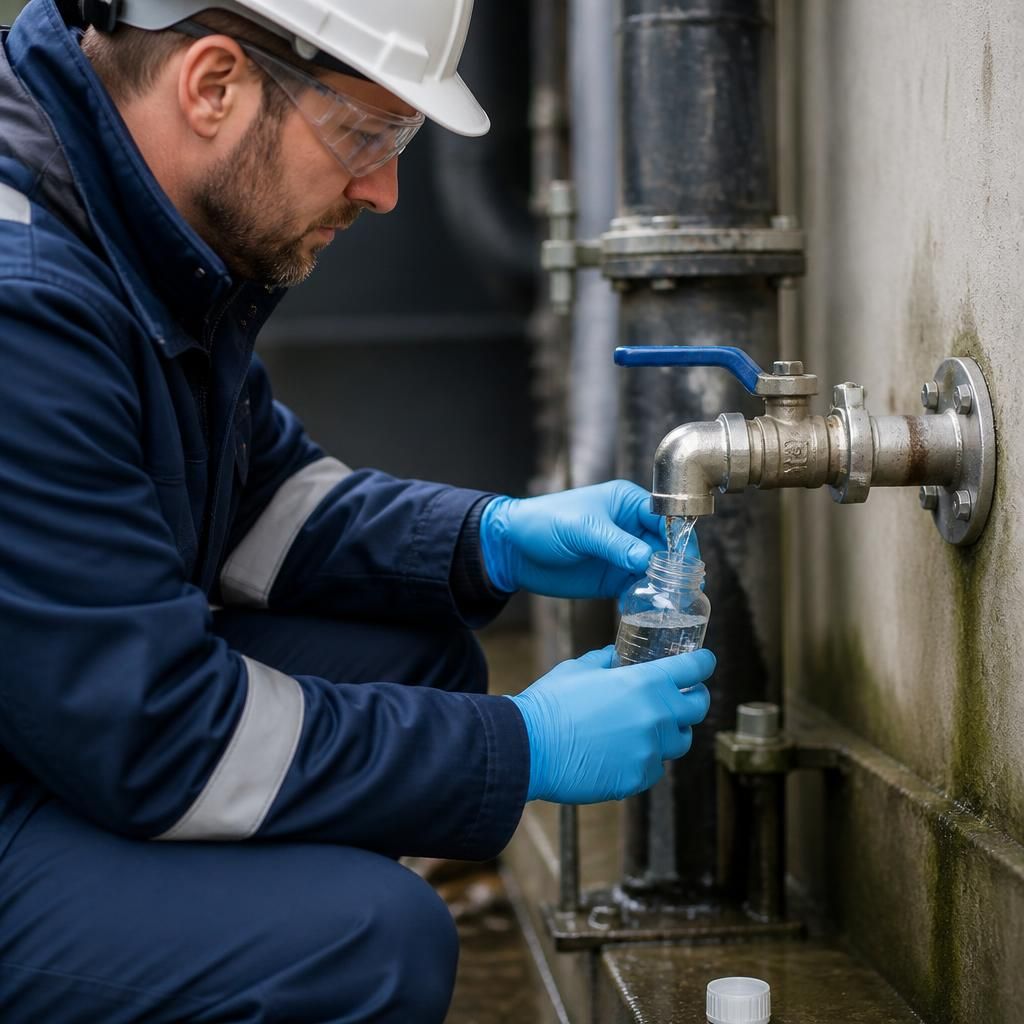
Sample integrity also depends on matching the container and preservation method to the parameter being tested. A microbiological sample may require a sterile bottle containing a chlorine-neutralising agent, whereas a test for disinfectant residual must preserve the chlorine concentration being measured and use the appropriate analytical procedure. Applying the wrong bottle or preservative can change the parameter before analysis and make the result unsuitable for its intended purpose.
The provider should therefore confirm the test request before collection and ensure that the sampling equipment, preservation method and analytical method are compatible. Where chlorine residual is relevant, a field measurement may be taken in accordance with the applicable method, while microbiological samples are handled separately for laboratory examination. This distinction prevents preservation intended for one type of test from compromising another.
Discuss Your Chlorination Testing Requirements
Discuss your chlorination testing requirements with Blue Fish Water Management Ltd to establish the appropriate sampling and analysis approach for your water system.