
What qualifications should staff conducting chlorination for water testing have?
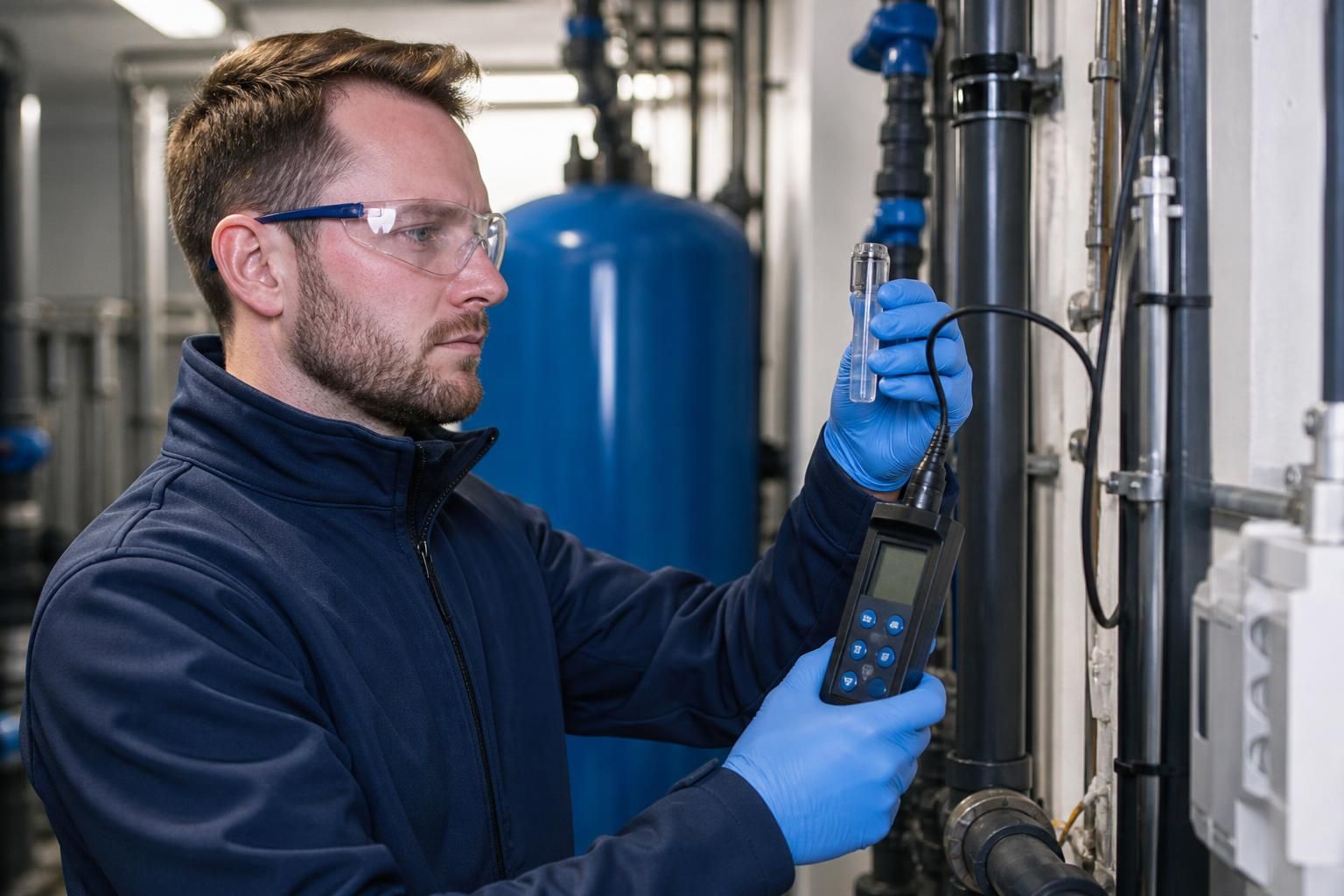
There is no single statutory certificate that qualifies every person to conduct chlorination for water testing. The person must be able to demonstrate competence for the particular water system and task, supported by suitable formal training, supervised experience, current knowledge and documented procedures. The level of competence should reflect the system’s complexity, the chemicals used and the potential consequences of an error.
Relevant training may include water hygiene, water system disinfection and legionella control. A suitable course should cover the purpose of chlorination, preparation of the system, isolation of affected outlets, dosing principles, contact-time requirements, neutralisation or flushing where applicable, and the collection and handling of samples. Training should be relevant to the type of system being tested rather than treated as a generic certificate that applies to every installation.
Staff should also have knowledge of the standards, guidance and site controls that govern the work. This includes understanding the responsible person’s role, permit-to-work arrangements, access restrictions, communication with building occupants and the records needed to show what was done. They should know when a method falls outside their own competence and when to refer the matter to a suitably experienced supervisor or technical specialist.
Practical competence is usually demonstrated through supervised work and an assessment of the individual’s ability to:
- review the system information and planned method before work starts;
- identify relevant valves, tanks, outlets and sections of pipework;
- use the required measuring and monitoring equipment correctly;
- recognise conditions that could affect the validity of the test;
- record observations, measurements and deviations accurately; and
- stop or escalate the work when the agreed method cannot be followed safely or reliably.
A certificate alone is not enough. Employers should retain training records, induction evidence, supervision or competency assessments and refresher-training records. They should also review competence after changes to equipment, chemicals, procedures or legislation, and following an incident, near miss or identified error. Refresher training should be based on the person’s actual duties and any gaps identified through review.
The team leader or supervisor needs a higher level of understanding than someone carrying out defined tasks under instruction. Supervisors should be able to assess the proposed method, check that equipment and records are suitable, review results for inconsistencies and determine whether further investigation is needed. Where sampling is part of the work, the person responsible must understand how sample identification, preservation, transport and chain-of-custody arrangements affect the reliability of subsequent laboratory analysis.
For a commercial appointment, a client should ask for evidence rather than relying on job titles. Useful evidence includes course certificates, competency matrices, recent experience with comparable systems, written procedures, equipment-training records and examples of completed documentation with sensitive client details removed. The provider should also be able to explain how it supervises new staff, maintains competence and deals with results or conditions that do not match the planned chlorination method.
In short, appropriately qualified staff are those whose training and assessed experience match the work they are performing, with suitable supervision and auditable records behind that assessment. Blue Fish Water Management applies a practical, risk-based approach to water hygiene work, helping commercial clients understand the competence and controls required for reliable water safety activities.
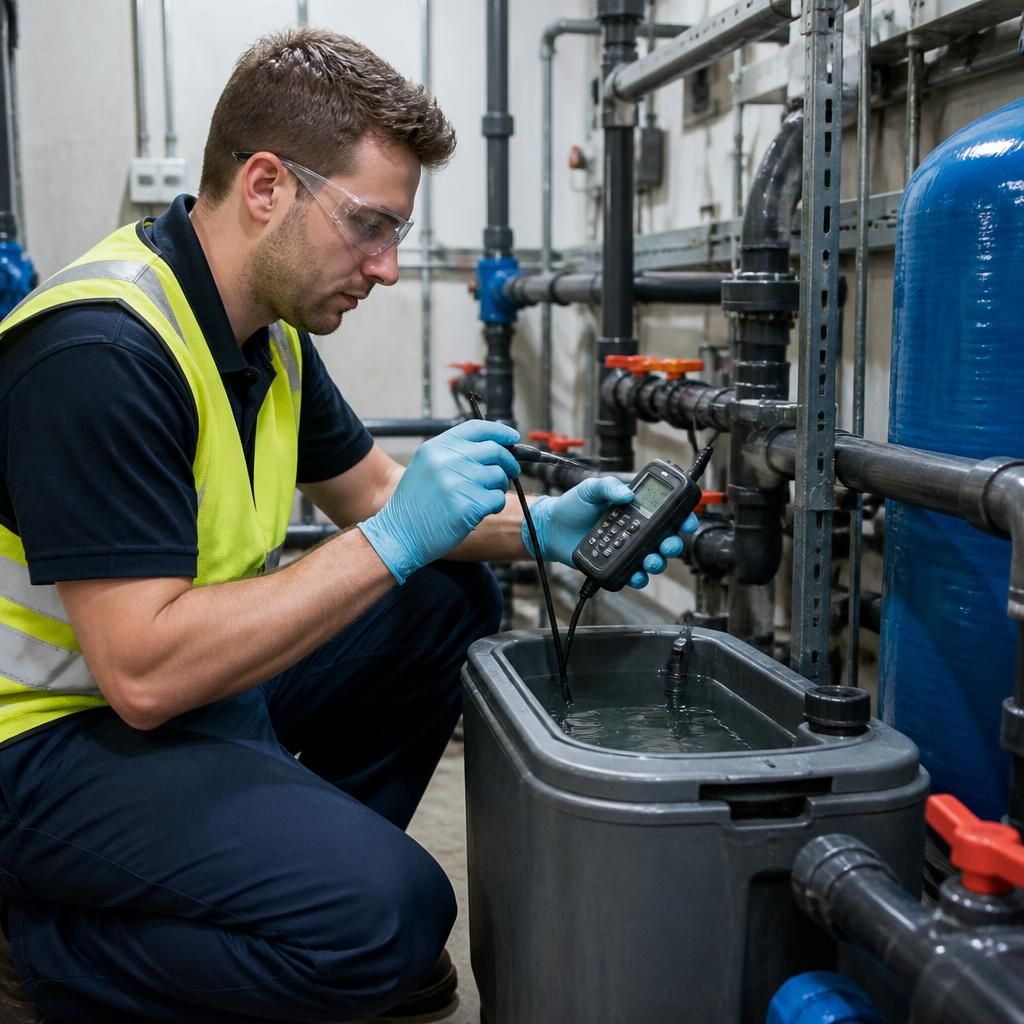
A suitable qualification should cover the interpretation of chlorine measurements, not just the physical application of a disinfectant. Staff need to understand the difference between the chlorine dose added to a system and the residual chlorine measured after contact time, as well as how pH, water demand and sampling conditions can affect the result.
Practical training should include the correct use of test equipment, checks for instrument condition, selection of an appropriate test range and recognition of results that are inconsistent with the planned method. Staff should know when an unexpected reading may indicate inadequate mixing, chemical demand, interference or a sampling problem, rather than treating every result as reliable without investigation.
This technical understanding helps ensure that chlorination records support a valid conclusion about the work performed. It also allows staff to identify when further checks, repeat measurements or technical review are needed before the results are reported.
Discuss your chlorination staff qualification requirements
If you need to assess whether a proposed chlorination activity is suitably supported, contact Blue Fish Water Management to discuss the system, task and evidence required.