
Who should attend legionella risk assessment training?
Legionella risk assessment training is for anyone who carries out, commissions, manages or reviews assessments of water systems. This includes responsible persons, facilities and estates managers, health and safety professionals, building operators, and consultants whose duties include identifying and controlling legionella risks.
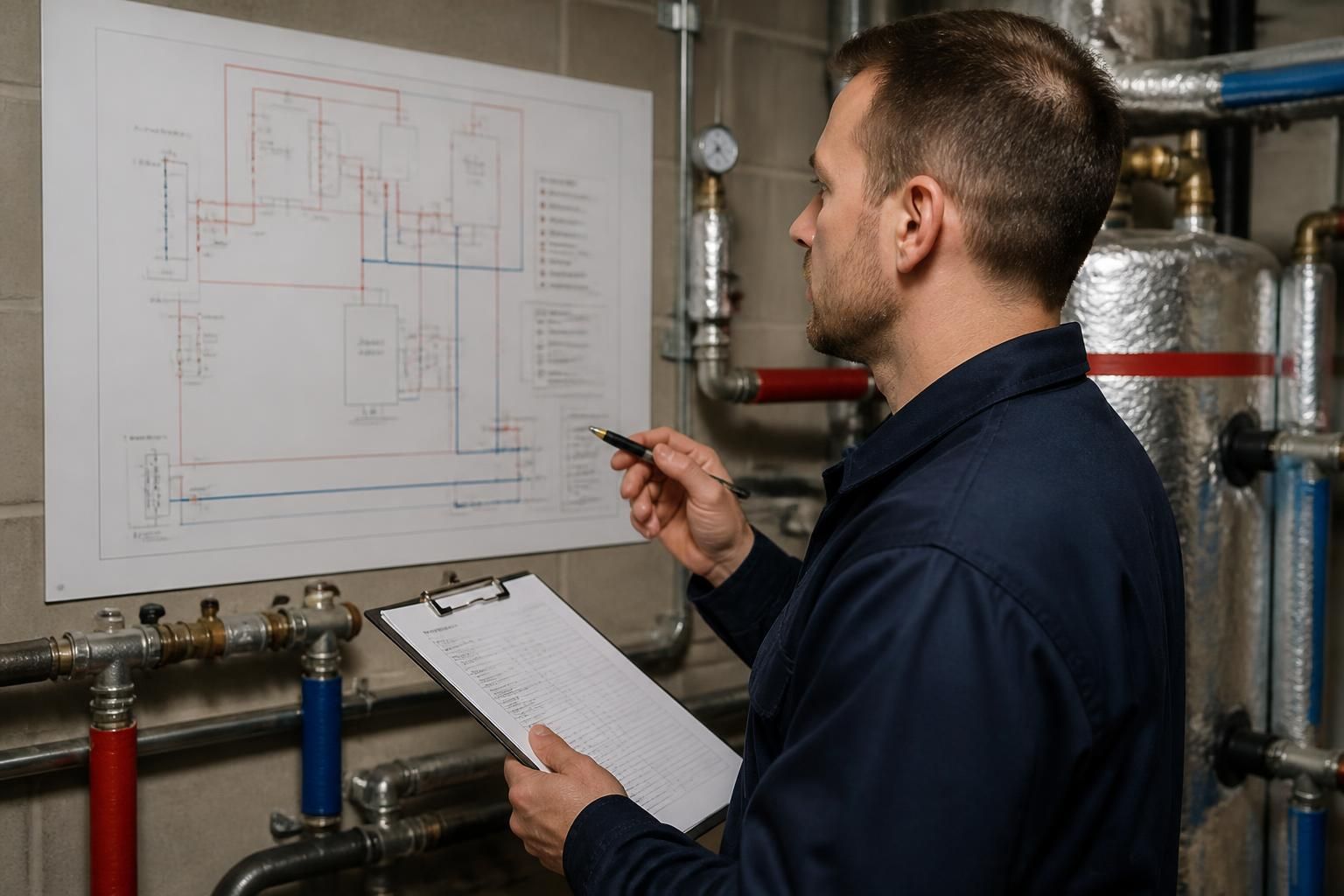
Legionella risk assessment training should be attended by anyone who is expected to identify hazards in a water system, judge the level of risk, specify control measures or make decisions based on an assessment. The appropriate level of training depends on whether the person is carrying out the assessment, contributing technical information, commissioning the work or overseeing the resulting control programme.
People who carry out assessments need the most comprehensive training. This includes in-house assessors, specialist consultants and technical staff who inspect water systems, evaluate exposure risks and prepare written assessments. They need to understand how to gather reliable information, identify sources of risk, assess the significance of findings and record proportionate control measures. Training should be supported by relevant practical experience, because competence involves applying knowledge to real systems rather than simply completing a course.
Those who commission or approve assessments should also attend suitable training, even if they do not personally undertake the site inspection. A commissioning manager or dutyholder needs to recognise the scope an assessment should cover, provide the assessor with accurate system information and judge whether the finished report is sufficiently detailed and relevant. This helps prevent decisions being based on a report that is incomplete, too generic or unsupported by evidence.
Water system and maintenance personnel can benefit from risk assessment training where their work provides essential information about system design, operation and condition. This may include staff responsible for:
- hot and cold water services, storage tanks, calorifiers and secondary return systems;
- showers, taps, outlets and other points of use;
- temperature checks, flushing and monitoring records;
- plant-room access, isolation arrangements and system alterations; and
- planned maintenance, remedial work and contractor supervision.
These employees may not write the final assessment, but their knowledge can determine whether the assessment reflects the system as it is actually operated. Training also helps them understand why particular information, measurements and records are required.
Facilities and property teams with operational control should consider training where they coordinate several parties or manage buildings with complex water services. This is particularly relevant where a site contains multiple buildings, changing occupancy, older installations, infrequently used outlets or water systems shared between occupiers. The training enables managers to question assumptions, identify missing evidence and ensure that recommendations are assigned to an appropriate person.
Health and safety, compliance and quality personnel may attend when legionella forms part of a wider occupational health or statutory compliance function. Their role may involve reviewing assessments, checking that actions are tracked, examining monitoring records or escalating unresolved risks. They do not necessarily need to become practising risk assessors, but they should understand the basis on which conclusions are reached and the limits of their own competence.
Building owners, landlords and senior decision-makers may need training when they retain responsibility for water safety arrangements or must approve expenditure and remedial work. A course can help them understand the information needed to manage risk, the importance of clearly allocated responsibilities and the consequences of leaving recommendations without an owner. For larger organisations, training selected decision-makers can also improve consistency between sites.
Contractors and engineers should attend where their work affects the factors considered in an assessment. Designers, mechanical services engineers, water hygiene technicians and maintenance contractors may need to recognise how alterations, shutdowns, dead legs, temperature changes and commissioning activities can affect legionella risk. Their training should match the work they undertake; technical involvement in a water system does not automatically make someone competent to produce a full risk assessment.
Training is also appropriate for people moving into a role that includes legionella duties. It can establish a structured understanding before they begin assessing systems or managing an existing programme. However, a newly trained person may still need supervised practice, further technical development and access to competent advice, particularly when dealing with complex healthcare, industrial, residential or mixed-use systems.
Not everyone who works in a building needs risk assessor training. Employees whose only involvement is following established control procedures may require a more limited level of instruction. The decision should be based on the person’s actual responsibilities, the complexity of the water systems and whether they make professional judgements or merely carry out defined tasks. General awareness is not a substitute for the deeper knowledge needed to inspect and assess a system.
When selecting attendees, an organisation should ask:
- Will this person carry out or substantially contribute to a risk assessment?
- Will they commission, review, accept or challenge an assessment?
- Do they control maintenance, monitoring, remedial work or system changes?
- Do they need to interpret technical findings and decide what action is proportionate?
- Do they have sufficient practical experience to apply the training to the buildings and water systems concerned?
Where several people share responsibility, sending more than one relevant employee can improve continuity and reduce reliance on a single individual. The course should still be matched to each role. The person undertaking the assessment requires detailed assessment skills, while a manager or reviewer may need to focus more on scope, evidence, competence, action tracking and governance.
In practice, the right attendees are those whose decisions can influence whether legionella hazards are identified and controlled effectively. Training should form part of a wider competence arrangement that includes suitable experience, access to current technical guidance, accurate system information and periodic review of responsibilities.
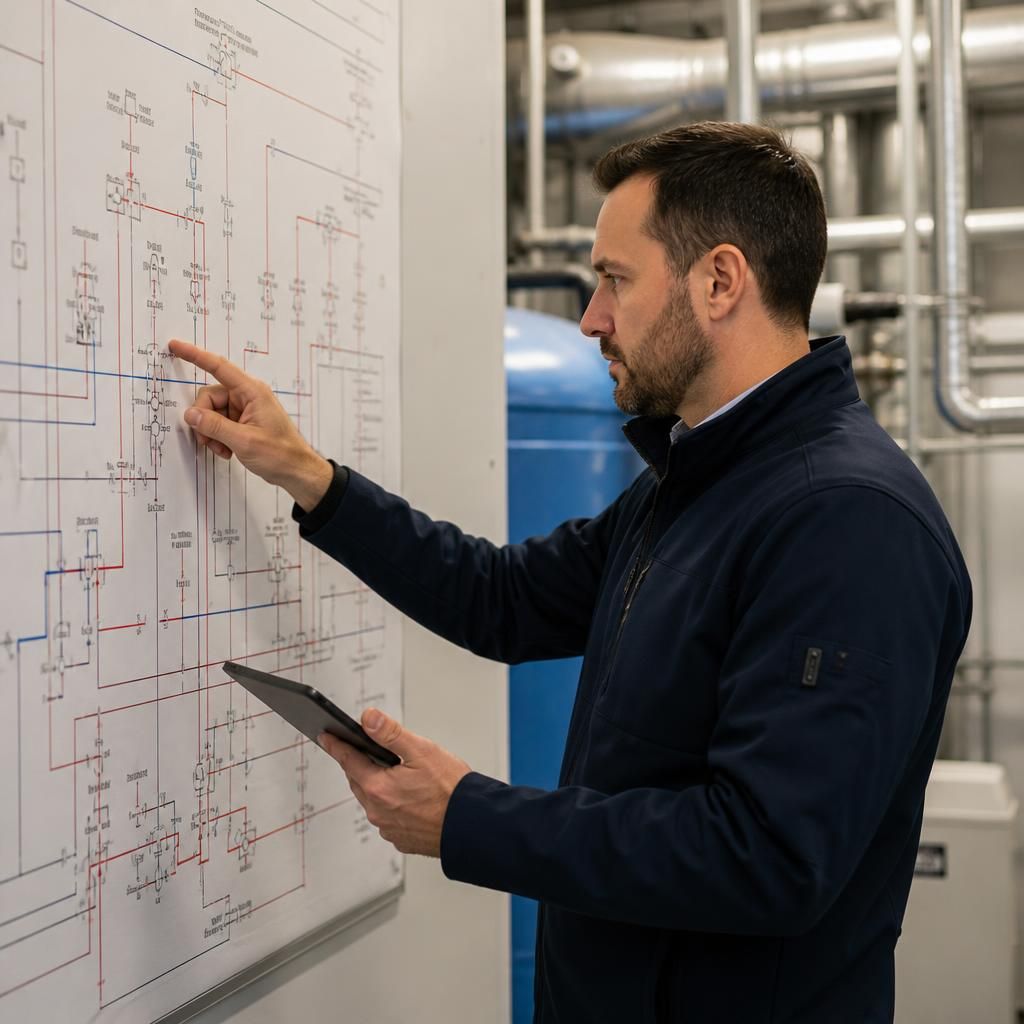
Project managers and staff responsible for building alterations should attend suitable legionella risk assessment training when their decisions can change a water system. Refurbishments, changes of use, extensions, plant replacement and commissioning can affect temperatures, flow patterns, storage, outlets and periods of stagnation. Understanding these links helps project teams identify when competent water safety input is needed before work is approved or a modified system is put into use.
These roles do not automatically require the same training as a person who writes a full risk assessment. Their training should enable them to recognise water safety implications in project plans, provide accurate information about proposed changes and ensure that relevant control measures, commissioning checks and record updates are assigned. This makes them appropriate attendees where capital works or building changes form part of the organisation’s legionella responsibilities.
Discuss your legionella risk assessment training needs
Discuss your organisation’s legionella risk assessment training needs with Blue Fish Water Management Ltd to identify suitable training for the responsibilities involved. Our team can help you consider the right level of instruction for your water safety arrangements and areas of competence.