
Do landlords need a legionella risk assessment?
Yes. Landlords must assess and control the risk of legionella in water systems provided for tenants, although the assessment may be proportionate to the property and system rather than requiring a complex document in every case.
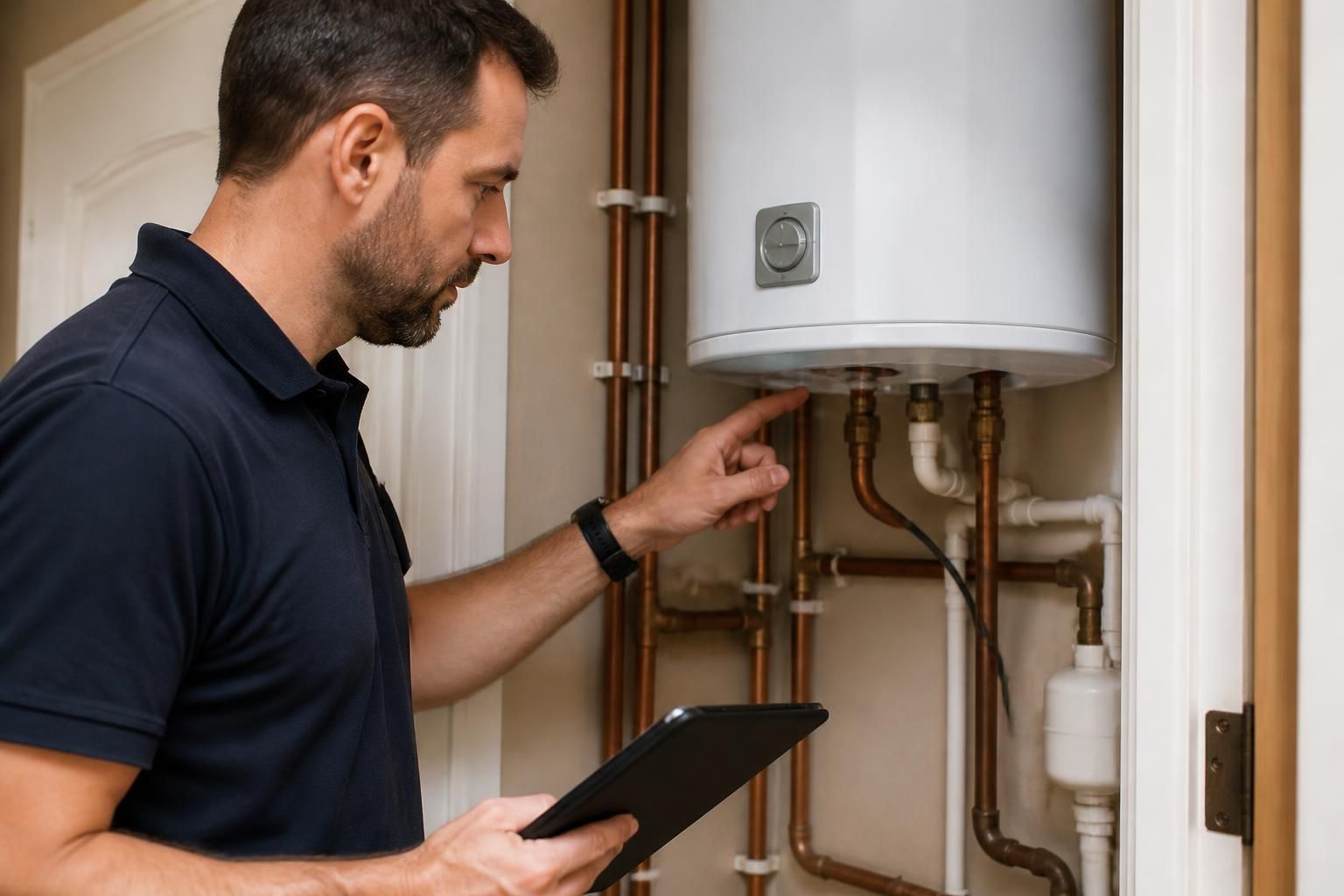
A landlord’s responsibility is to identify, control and review any foreseeable legionella risk arising from water systems provided for tenants, occupants, visitors or workers. The level of work should reflect the building, its water system and the people using it. A simple domestic property may need a proportionate assessment, while a block of flats, care-related property, house in multiple occupation or commercial premises may require a more detailed review.
Why the duty applies
Legionella is associated with water systems where bacteria can multiply and become airborne, particularly through showers, taps, spa facilities and other outlets that produce spray. Landlords and property managers may have duties under general health and safety law, housing requirements and, where relevant, the Control of Substances Hazardous to Health Regulations. The exact legal framework varies across the UK and depends on the type of property, its use and whether employees or contractors are involved.
In Great Britain, the Health and Safety Executive’s Approved Code of Practice L8 and associated guidance provide the principal framework for managing legionella risks in workplaces and relevant non-domestic premises. Equivalent guidance and enforcement arrangements apply in Northern Ireland. Housing legislation can also require landlords to identify and manage hazards affecting occupants. A landlord should therefore consider both the water system and the way the property is occupied, rather than relying on the property being classified simply as residential.
Does every landlord need a formal document?
Not necessarily. The assessment must be suitable and proportionate, but it should still demonstrate that the relevant risks have been considered and that appropriate controls are in place. For a small, well-used property supplied directly from the mains, with no stored water and a straightforward hot water system, the risk may be relatively low. That conclusion should be based on an actual review rather than an assumption that domestic premises are automatically safe.
A more formal assessment is generally appropriate where a property has features such as:
- stored hot or cold water;
- large, complex or shared plumbing systems;
- infrequently used rooms, outlets or void areas;
- showers, whirlpool baths, spa facilities or other aerosol-generating outlets;
- long pipe runs, redundant pipework or areas where water can stagnate;
- communal heating or hot water systems;
- occupants who may be more vulnerable to serious infection; or
- maintenance, refurbishment or changes to occupancy that could affect the water system.
What should the assessment examine?
A competent assessor will normally examine how water enters, is stored, heated, distributed and used throughout the property. The review should identify potential conditions for bacterial growth and determine who could be exposed. It may consider tank condition, hot and cold water temperatures, outlets, dead legs, seldom-used facilities, cleanliness, access for maintenance and the competence of people carrying out control work.
The assessment should also identify the person responsible for implementing controls. Depending on the arrangement, this may be the landlord, property manager, facilities team, managing agent or another appointed dutyholder. Responsibilities should be recorded clearly, particularly where several parties share control of the building or where maintenance is contracted out. Delegating a task does not remove the need for suitable oversight.
What controls may be required?
Controls depend on the findings. They may include maintaining appropriate hot and cold water conditions, ensuring storage vessels and components are clean and in good repair, removing redundant pipework, managing seldom-used outlets and carrying out planned maintenance. Where temperature control is used, it must be balanced with the risk of scalding, particularly in accommodation used by children, older people or vulnerable occupants.
Some properties may need written monitoring arrangements, planned cleaning and disinfection, water testing or remedial plumbing work. Testing is not an automatic substitute for managing the system, and there is no single testing schedule that applies to every rented property. The assessment should establish whether sampling is justified and, if so, where and how often it should be carried out. Samples should be sent to a suitably competent laboratory, such as one operating to the relevant UKAS-accredited standard.
Records and tenant information
Landlords should retain the assessment, control scheme, monitoring records, maintenance reports, test results and details of any corrective action where these are relevant to the property and its risk profile. Records help demonstrate that the arrangements are active rather than merely documented. They also allow recurring problems, such as temperature variation or persistent low use, to be identified.
Tenants and occupants may need practical information about using outlets that are rarely used, reporting faults and notifying the landlord about changes that could affect the system. Where a property is empty for a period, the landlord should consider how it will be recommissioned safely before normal occupation resumes.
When should the assessment be reviewed?
A legionella risk assessment should be reviewed when the water system or use of the property changes, after significant maintenance or refurbishment, when monitoring identifies a problem, or when there is reason to believe that existing controls are no longer effective. It should also be revisited if the building becomes occupied by people with greater susceptibility to infection or if responsibility for the property changes.
There is no universal rule that every landlord must commission a new assessment at the same fixed interval. The appropriate review cycle depends on the findings, the complexity of the system and the effectiveness of ongoing controls. A competent person should be able to explain why the chosen arrangements are suitable.
When should a landlord seek specialist advice?
Specialist input is sensible where the system is shared, complex or poorly understood; where there is stored water or extensive communal pipework; where records are incomplete; or where a test result, complaint or inspection indicates a potential problem. An independent risk assessment can clarify the landlord’s responsibilities, identify proportionate controls and distinguish necessary remedial work from measures that are not relevant to the actual risk.
For landlords, the key issue is not whether a generic certificate has been obtained. It is whether the property’s water systems have been assessed by a competent person, whether appropriate controls are being maintained and whether the arrangements are reviewed when circumstances change.
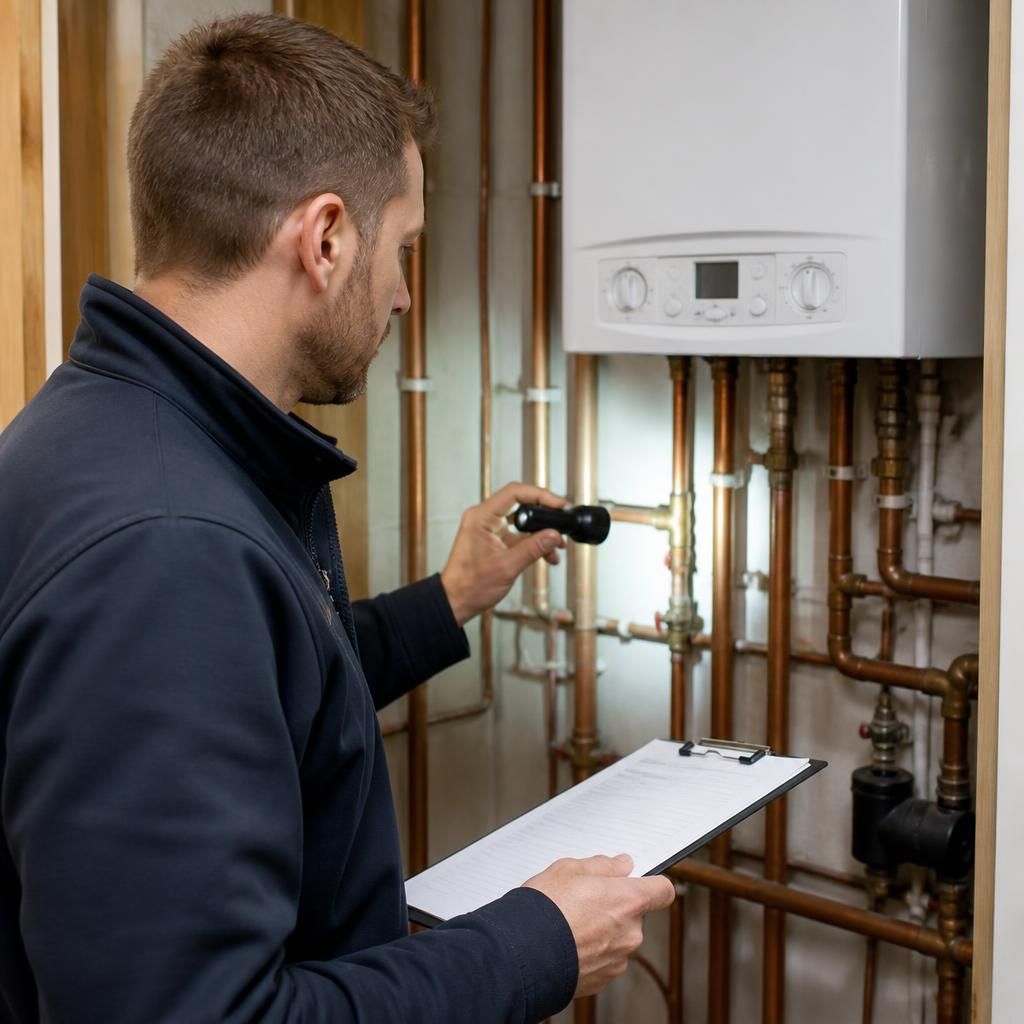
When a landlord takes over a rented property, an existing legionella assessment should be treated as evidence to review, not as an automatic transfer of responsibility. The new landlord should confirm that it describes the current water system, occupancy arrangements and control measures, and identify any actions that remain outstanding.
Practical handover checks should include:
- confirming who manages routine water-system controls;
- reviewing available maintenance and disinfection records;
- checking whether alterations, vacant periods or changes in occupancy have affected the findings; and
- recording any corrective work needed, together with who is responsible for completing it.
This approach helps establish a clear starting point and prevents reliance on an assessment that is outdated, incomplete or prepared for a different use of the property.
Discuss your landlord’s legionella risk assessment
If you are unsure whether your existing arrangements are suitable for the property, discuss your landlord’s legionella risk assessment with Blue Fish Water Management Ltd. Their team can help clarify the scope of review and any practical next steps.