
What does a water supply check examine?
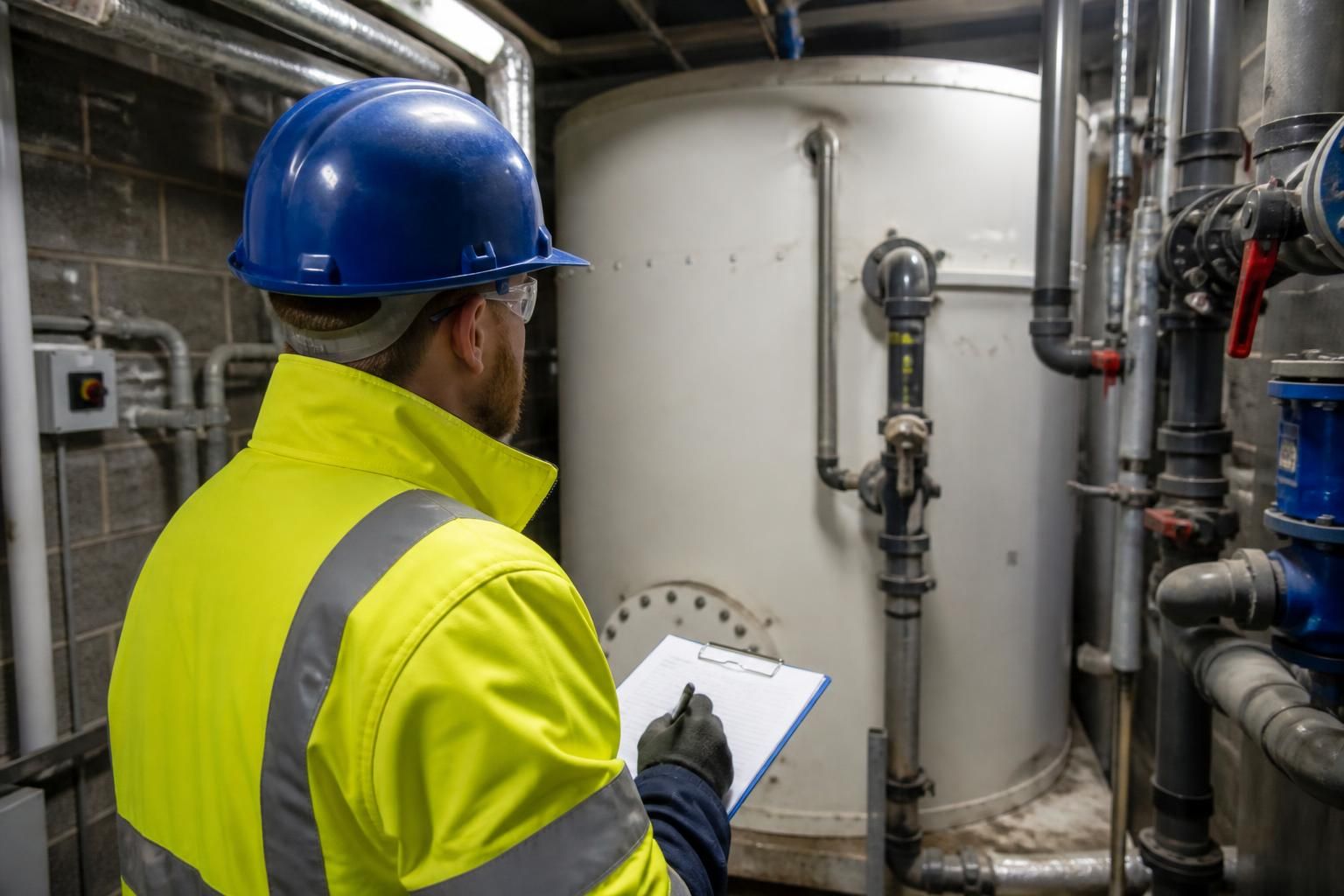
A water supply check examines how a water system is designed, operated and maintained, and whether its condition creates risks to users or makes effective control difficult. It looks beyond the presence of water at an outlet, considering the complete supply route and the way the system functions in practice.
The check will usually trace the supply from the point where water enters the premises through to outlets and appliances. This can identify:
- the source of the supply and any changes in pressure, treatment or ownership;
- the route, materials and approximate age of accessible pipework;
- branches, redundant sections, capped connections and other areas where water may remain unused;
- outlets that are rarely used, difficult to clean or positioned where users may be exposed to aerosols; and
- connections between drinking-water systems, process systems, heating systems or other services that could affect water safety.
It also examines how the system is used by occupants, contractors and visitors. Occupancy patterns, vacant areas, seasonal use, changes to room function and periods when equipment is taken out of service can all alter the risk profile. A drawing or design that appears satisfactory may not reflect current operation, particularly where premises have been extended, divided or repurposed.
Storage arrangements are considered in practical detail. The inspection may look at whether tanks and cisterns are correctly covered, protected from contamination, suitably supported and accessible for inspection and cleaning. It can also consider internal condition, signs of corrosion or sediment, overflow and warning arrangements, and whether stored water is retained unnecessarily. Storage associated with boosted supplies, process equipment or fire systems may require separate consideration where it connects with the domestic water system.
Hot-water services are assessed for the way they generate, distribute and return water. Relevant points can include calorifiers, cylinders, secondary circulation, local heaters, blending valves, shower installations and sections that do not receive adequate circulation. The purpose is not simply to record equipment, but to establish whether the system can be controlled consistently and whether operating arrangements are suitable for the premises.
A check may include observations about physical condition and maintenance access, such as leaks, damaged insulation, condensation, heat transfer between services, inaccessible valves and plant located where inspection is difficult. It can record whether outlets and components are labelled clearly enough for safe operation, and whether alterations or temporary arrangements have introduced avoidable weaknesses.
Water quality is considered through available information, site observations and, where appropriate, sampling. Testing may investigate parameters relevant to the building’s supply and use, while microbiological testing can provide evidence about particular concerns. Results need to be interpreted alongside the system’s design, operating temperatures, usage and maintenance history; a single sample does not describe every part of a distribution system.
The check also reviews the controls supporting safe management. This may include:
- responsibilities for inspection, monitoring, cleaning and remedial work;
- planned maintenance and flushing arrangements;
- records of temperature checks, sampling, disinfection, repairs and alterations;
- procedures for managing low-use areas, vacant premises and changes in occupancy; and
- the findings of previous assessments, incidents or compliance reviews.
Findings should distinguish between an observed defect, a possible source of risk and an action needed to address it. The outcome may recommend further investigation, targeted sampling, cleaning, repair, modification or improved monitoring. It should also identify limitations, such as concealed pipework or inaccessible plant, so that the reader understands what was and was not examined.
For businesses, the value of a water supply check is that it creates an evidence-based picture of the system as it operates, rather than relying solely on drawings or routine assumptions. That information can then support the wider water safety plan, Legionella risk management and decisions about corrective work.
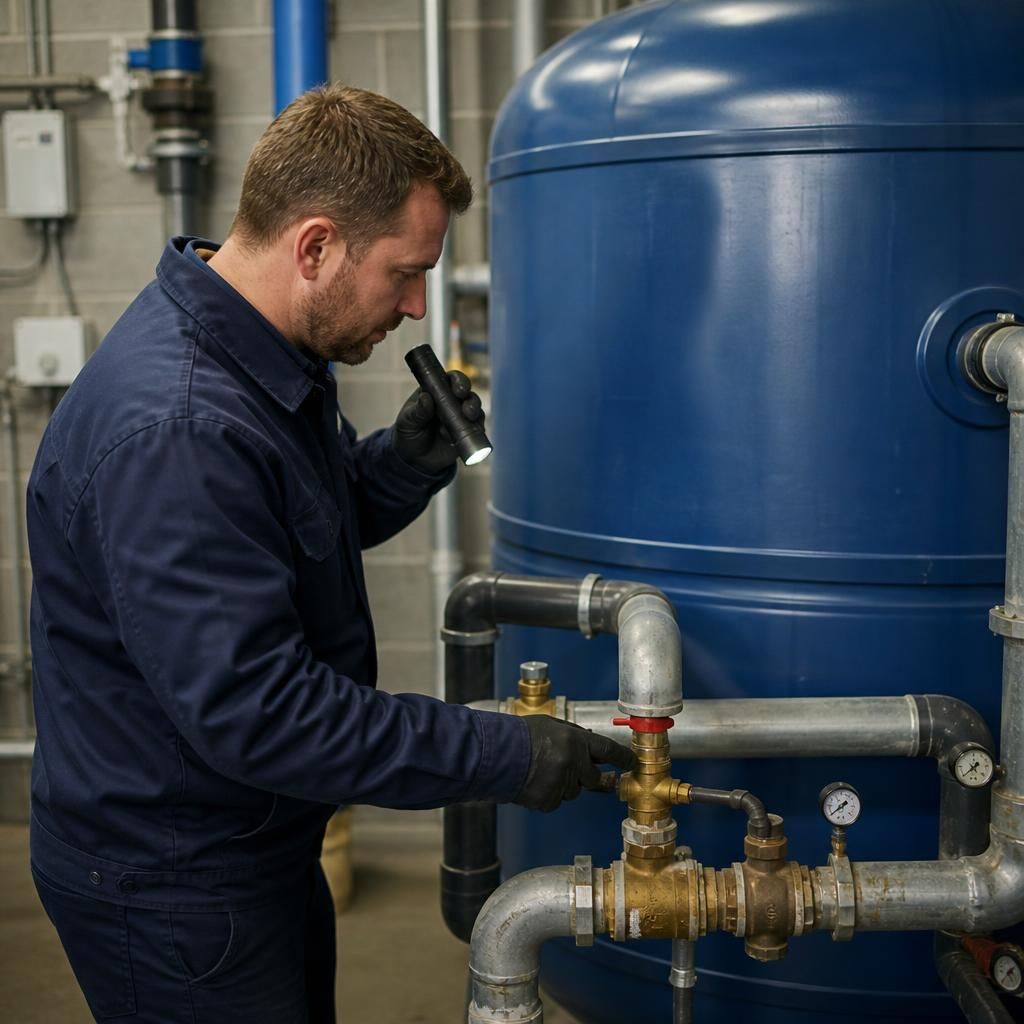
A water supply check also examines how the system prevents contamination from entering the drinking-water supply. This includes reviewing hose connections, washdown points, dosing arrangements, flexible hoses and other interfaces where water could flow back from a process, heating or chemical system.
The check considers whether suitable backflow protection is present, correctly installed and maintained, and whether fittings are used in a way that matches their intended purpose. It may also identify unauthorised alterations or temporary connections that have changed the level of protection. These details help establish whether the supply remains suitable for use and whether corrective action is needed alongside wider Legionella and water hygiene controls.
Discuss your water supply check requirements
If you need to clarify the scope of a water supply check or understand which areas of your system require attention, discuss your requirements with Blue Fish Water Management Ltd. Their team can help identify an appropriate assessment approach for your premises.