
What methodology will the provider use for chlorine water treatment?
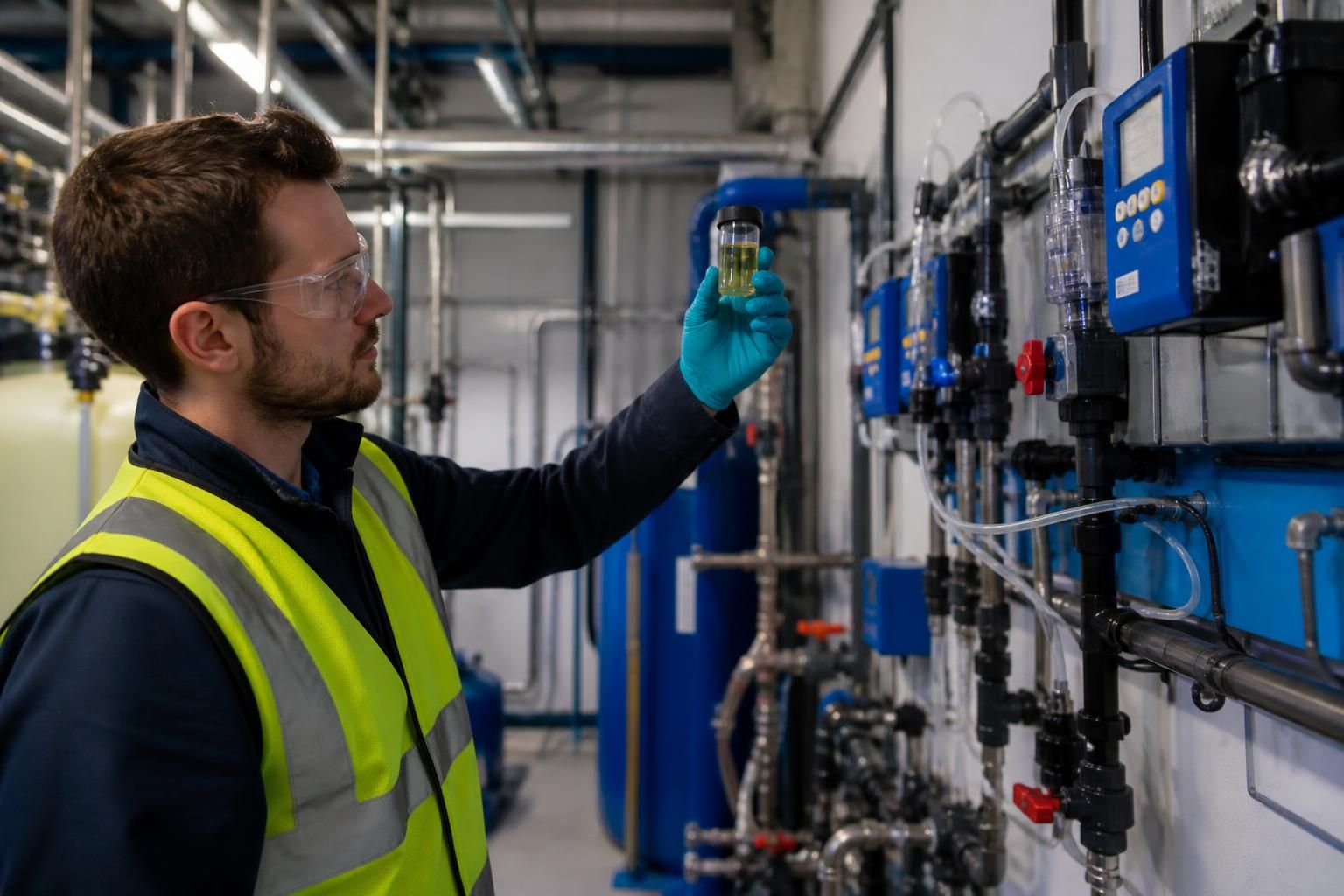
A sound chlorine water treatment methodology is a controlled, risk-based process that combines preparation, chemical management, safe system operation and evidence-led verification. The provider should adapt the method to the type of water system, its materials, configuration, occupancy, intended use and the nature of the identified contamination risk, rather than applying the same chlorine regime to every installation.
1. Define the treatment objective. Before work starts, the provider should establish whether chlorine is being used for corrective disinfection, commissioning, recovery after engineering work, or a planned preventative measure. This distinction affects the treatment regime, the areas included, the precautions required and the criteria for returning the system to normal operation. Any parts of the system that cannot safely receive chlorine should be identified and dealt with through an agreed alternative or temporary isolation arrangement.
2. Prepare the system and the work area. Preparation may include identifying storage tanks, outlets, secondary return circuits, dosing points, dead legs, strainers, filters, hoses, valves and sections that are normally isolated. The provider should confirm how the system will be isolated from users and from incompatible equipment, and should consider whether components such as softeners, membranes, carbon filters, calorifiers or specialist appliances need protection. A suitable method statement should explain the work sequence, access arrangements, communication with affected occupants and actions to take if the planned treatment cannot be completed safely.
3. Select and control the chlorine solution. The chemical used should be suitable for the application and obtained with appropriate safety information. The provider should calculate the required volume and concentration from the system characteristics and the treatment objective, taking account of chlorine demand from organic matter, deposits, biofilm and pipework. Chemical handling should follow the relevant control measures, including suitable personal protective equipment, secure storage, segregation from incompatible substances and precautions against splashes, fumes and accidental release.
4. Establish circulation and distribution. Chlorine must reach the parts of the system included in the treatment, not merely the nearest accessible outlet. The provider should use a planned sequence for opening outlets and operating valves so that treated water reaches terminal points, branches and return circuits. Where necessary, obstructions, poor circulation or restricted flow should be addressed before treatment. The method should also prevent untreated water from mixing with treated water and should identify how isolated sections will be dealt with.
5. Manage the treatment under controlled conditions. The provider should control the relevant operating conditions throughout the process, including concentration, circulation, exposure period, pH and temperature where these affect chlorine performance. Measurements should be taken at representative points rather than relying on a single reading. If results show that chlorine is being consumed too quickly, distribution is uneven or the required condition has not been maintained, the provider should investigate the cause and agree a safe corrective action instead of assuming that the treatment has succeeded.
6. Protect people, assets and the environment. A professional method includes controls for preventing access to outlets, accidental use of treated water and exposure to concentrated chemical or highly chlorinated water. Notices, isolation and communication arrangements should be proportionate to the premises and the people who may be affected. Discharge arrangements also require consideration: chlorinated water should not be released in a way that could harm drainage systems, receiving environments or people. Where neutralisation is required, it should be carried out using a controlled method and verified before discharge.
7. Recommission the system methodically. Once the treatment stage is complete, the provider should remove or reduce residual chlorine in accordance with the agreed procedure, flush the relevant sections and restore normal operation in a controlled sequence. Filters, strainers and other components affected by the work may need inspection or replacement. Outlets should be checked for acceptable operation, and any temporary bypasses, dosing equipment, warning notices or isolation arrangements should be removed only when it is safe to do so.
8. Interpret the evidence and define the next action. Results should be considered alongside the system layout, operating history and treatment conditions. A satisfactory result should not conceal unresolved defects such as stagnation, failed temperature control, poor circulation, inaccessible pipework or recurring contamination. Where chlorine treatment has exposed a wider engineering or management problem, the provider should identify the remedial work, operational change or further investigation needed to prevent recurrence.
The completed record should normally include the treated system or sections, chemical details, treatment sequence, relevant readings, outlets or sampling locations, deviations from the method, flushing or neutralisation arrangements, test results and any outstanding recommendations. This gives the system owner a traceable basis for demonstrating what was done, assessing whether the system can return to service and deciding what monitoring or maintenance should follow.
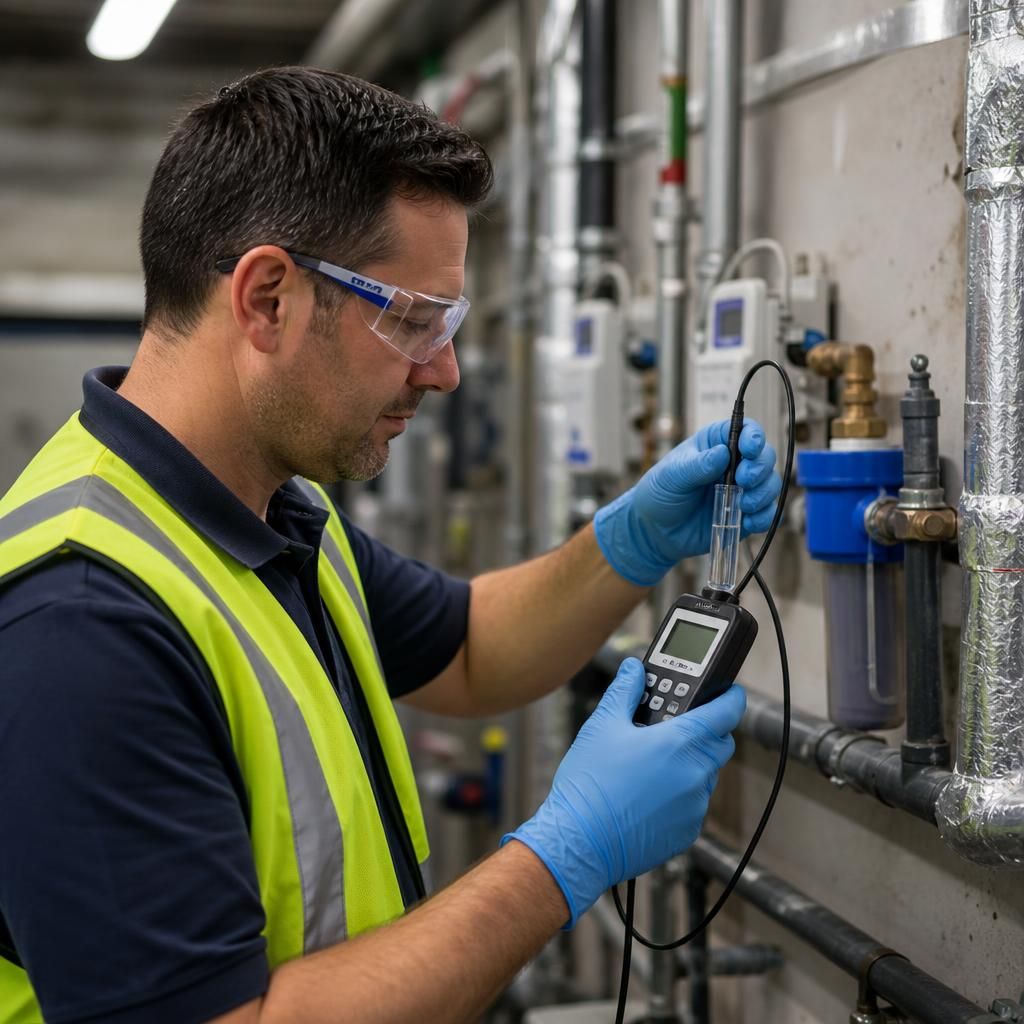
On-site chlorine readings are an operational check within the wider methodology, not proof on their own that the system is safe to return to use. The provider should use a suitable test method, take readings at agreed representative points and interpret them alongside the treatment conditions and any required laboratory results. This distinction helps separate evidence that chlorine reached the system from evidence that the treatment objective has been achieved.
The method should also define what happens when the evidence is inconclusive. For example, unusual readings may require further investigation of pipework, deposits, flow paths or sampling arrangements before the system is accepted. Clear decision points make the process auditable and reduce the risk of treating an isolated result as confirmation that the whole installation has been adequately disinfected.
Discuss Your Chlorine Water Treatment Methodology
Discuss your water system and treatment objectives with Blue Fish Water Management Ltd to establish what a suitable chlorine water treatment methodology should cover.