
How long should potable drinking water chlorination take?
There is no single duration for potable drinking water chlorination: the timescale depends on the system’s size and condition, the chlorination method, the required contact period and the results of verification testing. The process normally includes preparation, dosing, contact, flushing and water-quality checks before the system is returned to use.
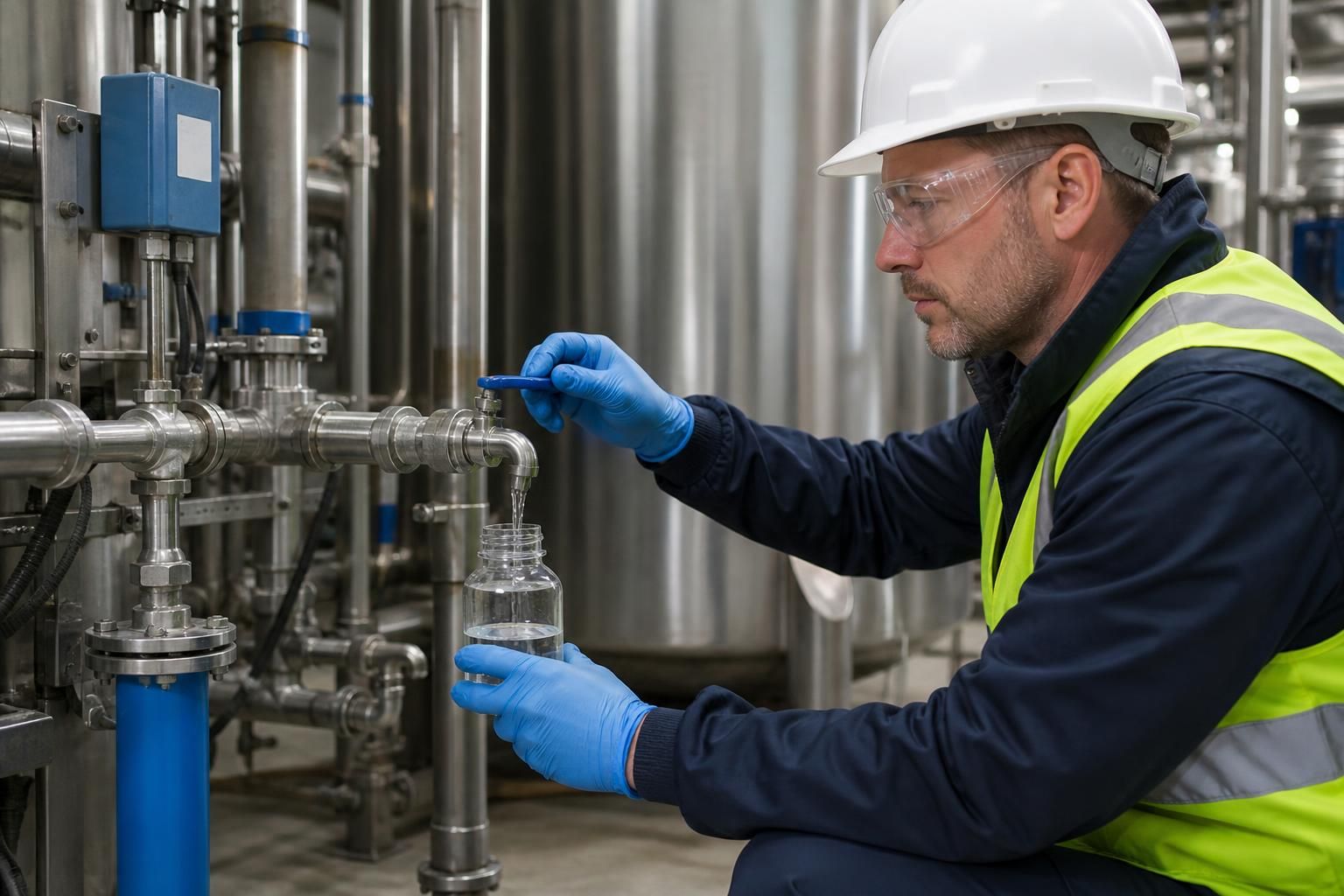
The duration of potable drinking water chlorination is governed by two separate requirements: the disinfectant must remain in contact with every part of the system for the specified period, and the system must then produce satisfactory verification results. A dosing activity may therefore be completed in one working phase, while the overall return-to-use process takes longer if access, flushing or laboratory analysis is required.
The contact period is not a target to shorten. It is selected according to the system specification, the chlorination procedure, the disinfectant concentration, the pipework arrangement and the level of risk being addressed. The solution must reach the relevant parts of the installation, including storage vessels, distribution pipework and remote outlets. Increasing the dose does not automatically make a shorter contact period acceptable.
Before dosing begins, the system may need to be isolated from normal use and prepared carefully. This can involve:
- identifying the limits of the system being treated;
- removing or bypassing equipment that should not be exposed to the disinfectant;
- checking that outlets, tanks, valves and access points can be reached;
- opening outlets in a controlled sequence so the solution reaches the full distribution network; and
- confirming that vulnerable components, filters and treatment equipment are protected in accordance with the method statement.
Preparation often determines whether the planned timescale is realistic. A straightforward installation with good isolation points is easier to treat than a large or altered system with concealed branches, multiple storage tanks, low-use outlets or unidentified dead legs. Poor access, incomplete drawings and difficulty coordinating isolation can add time without changing the required contact period itself.
System condition also affects the practical duration. Scale, sediment, organic material, corrosion deposits and biofilm can increase chlorine demand or prevent effective contact with internal surfaces. If inspection or testing indicates that the system is not suitable for direct disinfection, cleaning, remedial work or removal of redundant sections may be necessary before chlorination can provide meaningful verification.
After the contact phase, the disinfectant must be removed through controlled flushing. Flushing is complete only when the relevant checks demonstrate that the water is suitable for the next stage of use. The required volume and duration depend on the system’s capacity, outlet arrangement, incoming supply and residual disinfectant results. Discharging chlorinated water may also require environmental controls, particularly where it could enter surface water or drainage systems.
Verification can be the part of the programme that creates the greatest uncertainty. Samples may be taken from representative points, including the incoming supply, storage tanks and remote outlets. Depending on the commissioning specification and the reason for treatment, checks may include disinfectant residual, pH, appearance and microbiological quality. Where samples are sent to a laboratory, the system may need to remain out of normal service until the results have been reviewed. Laboratory reporting time is separate from the physical time spent dosing and flushing.
A failed or inconclusive result does not necessarily mean that the original contact period was inadequate. It may indicate incomplete circulation, a missed outlet, continuing contamination, excessive chlorine demand, ineffective flushing or another defect in the installation. The appropriate response is to investigate the cause, correct it and repeat the relevant treatment or verification step rather than simply declaring the system complete.
For planning purposes, a chlorination programme should therefore allow for the following distinct elements:
- pre-treatment survey, risk assessment and method planning;
- isolation and preparation of the installation;
- dosing and confirmed contact;
- flushing and neutralisation or controlled discharge where required;
- field checks and sample collection; and
- review of laboratory results and completion of the report.
The final timescale should be agreed from the system information and the applicable specification, not taken from a generic promise or an assumed number of hours. A suitable report should record the areas treated, chemical and test information, contact conditions, flushing results, sampling points, outstanding restrictions and any recommendations before the system is handed back for potable use. Blue Fish Water Management Ltd can apply this practical approach when planning potable water chlorination and associated verification for commercial, industrial and domestic systems across the UK.
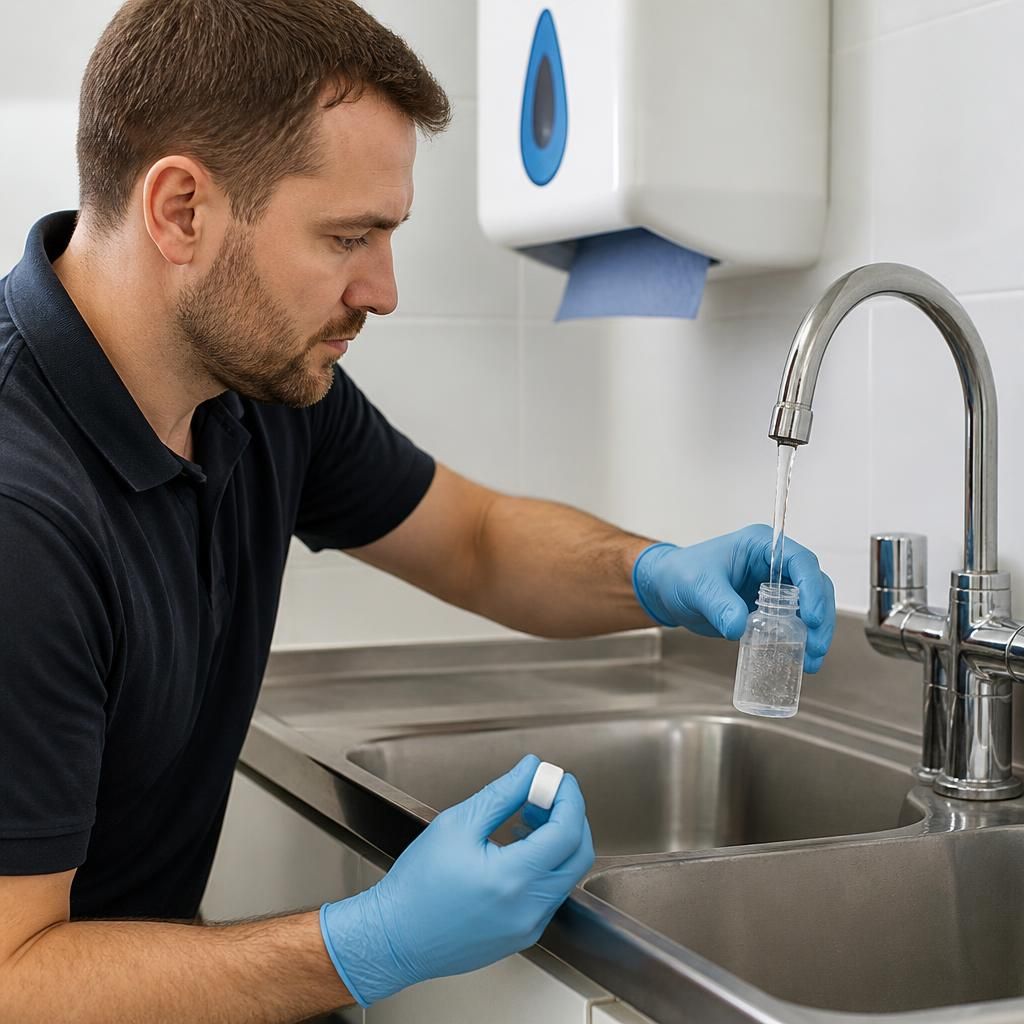
Complex potable water systems may need to be chlorinated in separate treatment zones rather than as one installation. Each zone must be isolated, treated and verified before the next stage can proceed, particularly where the system has multiple tanks, separate risers or areas that cannot safely be exposed to disinfectant at the same time.
This staged approach can extend the overall programme even when the required treatment period for each zone is unchanged. The planned sequence should account for access, isolation, outlet coverage and the need to review results before progressing. A competent provider will identify these dependencies in the method statement so the expected duration reflects the actual system layout rather than a generic timescale.
Discuss your potable drinking water chlorination timescale
Discuss your potable drinking water chlorination timescale with Blue Fish Water Management Ltd and provide details of your system, access arrangements and intended commissioning date. We can help identify the planning information needed to develop a suitable treatment programme.