
What happens if Legionella is found in a water system?
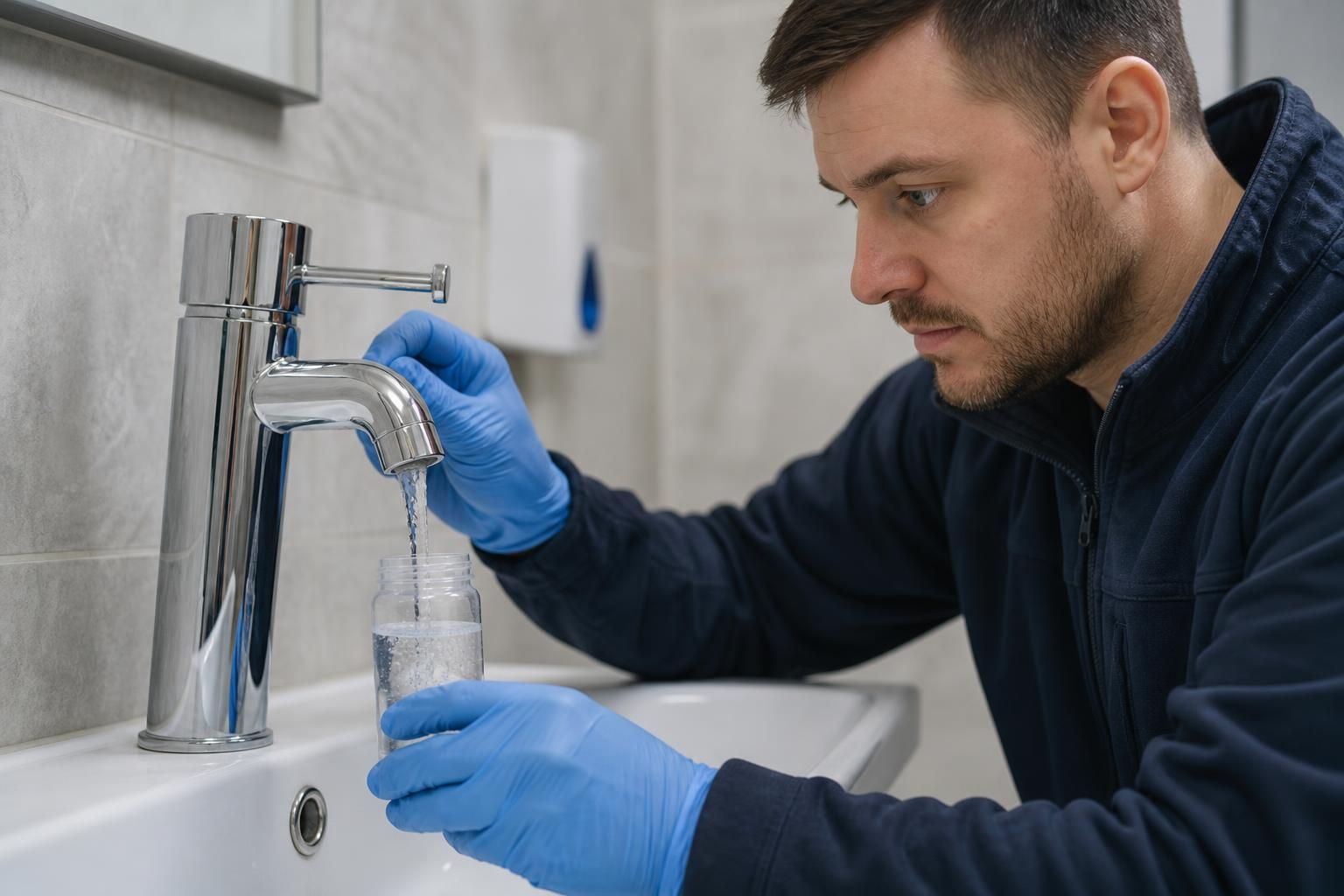
Finding Legionella in a water system means that the system has produced evidence of contamination and that its existing control arrangements need to be examined and strengthened. The result does not, by itself, prove that anyone has been exposed or infected, but it should be treated as a significant warning that the conditions allowing Legionella to survive or multiply may not be adequately controlled.
The appropriate response depends on the test result, the part of the system affected, the type of outlet involved and the likelihood of creating contaminated aerosols. Showers, spray taps, whirlpool equipment, humidifiers and other aerosol-generating outlets generally require closer attention than outlets that do not produce airborne droplets. The presence of vulnerable people, such as those who are immunocompromised, should also be considered when assessing the level of risk.
The result should first be checked and interpreted in context. The duty holder or responsible person should confirm which sample was positive, when it was taken, how it was collected, which organism was detected and whether the sample represents a wider part of the system. A single result should not be dismissed as irrelevant, but neither should it be used in isolation to make assumptions about every outlet. The sampling history, temperature records, maintenance information and current risk assessment can help establish whether the finding is isolated or indicates a broader loss of control.
While that assessment is taking place, practical precautions may be needed to reduce exposure. These can include taking affected aerosol-generating outlets out of use, providing clear instructions to staff and users, arranging alternative facilities and controlling access to parts of the system. Any change to hot-water temperatures must be managed by a competent person because raising temperatures can create a scalding hazard, particularly in care settings, housing and facilities used by people with limited mobility.
Investigation should look for the conditions that allowed the bacteria to persist. Common areas to examine include:
- hot-water temperatures that are too low, inconsistent or poorly monitored;
- cold-water temperatures that have risen beyond the intended control range;
- stagnant water caused by infrequently used outlets, oversized storage or redundant pipework;
- dead legs, poor circulation or inadequate turnover within the distribution system;
- sediment, scale, corrosion or biofilm within tanks, calorifiers, pipework and outlets;
- faulty thermostatic mixing valves or other components that affect temperature control; and
- changes to occupancy, building use, plumbing configuration or maintenance routines.
Remedial work should address the underlying cause rather than simply treating the most recent sample. Depending on the findings, this may involve cleaning and disinfection, flushing little-used outlets, correcting temperatures, improving circulation, removing redundant sections of pipework, cleaning storage vessels or repairing defective equipment. The selected method should be suitable for the system and carried out in a controlled manner, with consideration given to scalding, chemical exposure, discharge arrangements and the effect on building users.
After remedial work, the system should be returned to service in accordance with the agreed control procedure. Follow-up sampling can help establish whether the intervention has been effective, but a single subsequent negative result is not necessarily proof that the system is permanently under control. The result needs to be considered alongside stable operating conditions, temperature and flushing records, inspection findings and any further monitoring required by the risk assessment.
Where illness is suspected or confirmed in connection with the water system, the organisation should seek appropriate public-health advice and follow the relevant reporting and investigation arrangements. The response to a laboratory finding and the response to a suspected case of Legionnaires’ disease are related but not identical: a positive environmental sample does not diagnose illness, while a suspected case may require a wider investigation of people, premises and possible sources.
Records are part of the control response. The organisation should retain the laboratory report, sampling location and date, interpretation of the result, decisions about restrictions, communications issued, remedial actions, contractor information, temperature and flushing records, follow-up results and the date of the formal review. These records show how the duty holder reached decisions and whether the control scheme was adjusted in response to the evidence.
If Legionella is detected repeatedly, or if results remain elevated after remedial work, the organisation should escalate the investigation rather than relying on repeated routine sampling alone. A review by a suitably competent water hygiene specialist may identify design problems, operational weaknesses or gaps in the existing risk assessment. Blue Fish Water Management supports organisations with legionella risk assessments, UKAS-accredited water testing, compliance audits, system monitoring and remedial works, helping translate test findings into a documented and proportionate control plan.
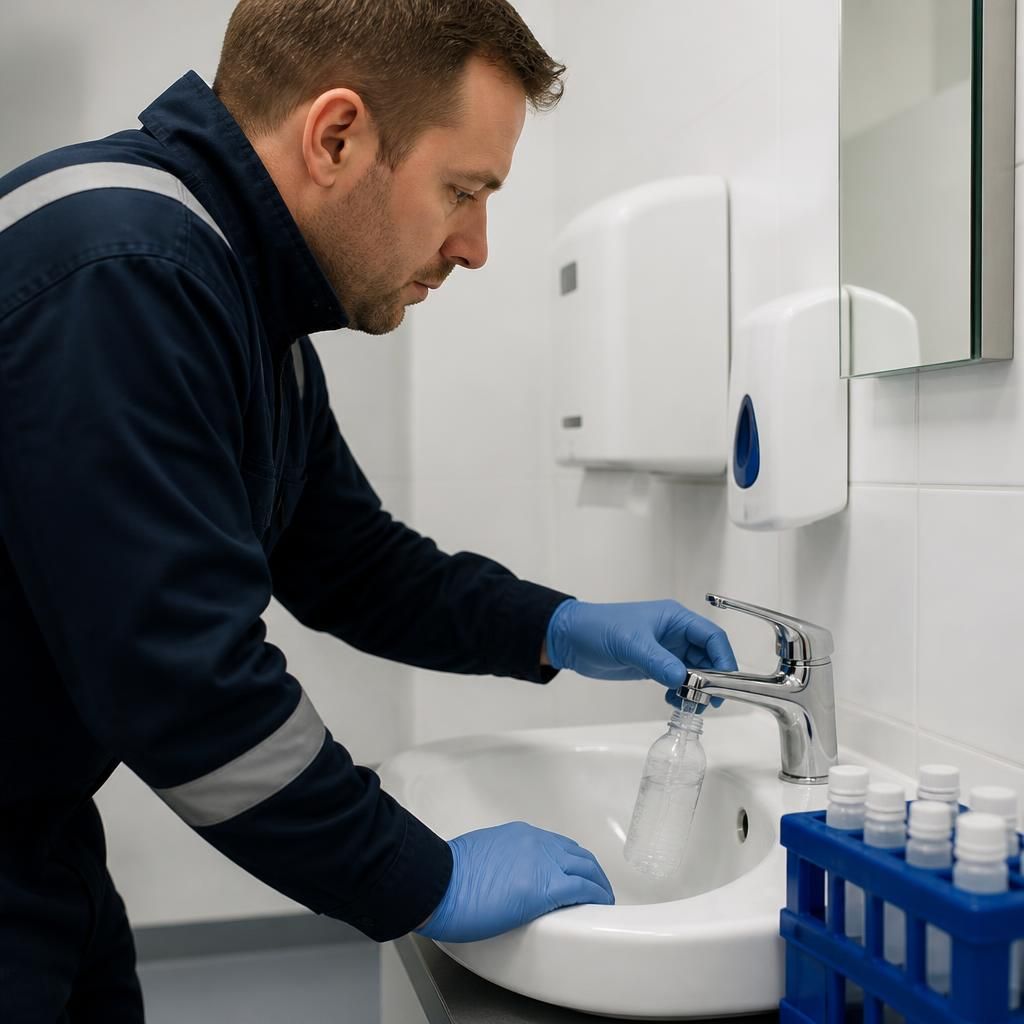
A positive Legionella result should be managed through a documented action plan with clear responsibility. The duty holder should appoint a competent person to coordinate the investigation, establish which parts of the water system may be affected and record the reason for each decision. Facilities staff, contractors and relevant managers should work from the same instructions so that outlets are not returned to use, altered or disinfected without proper authorisation.
The action plan should also define how the system will be judged ready for normal operation. This may include completion of specified remedial work, satisfactory inspection findings, acceptable operating records and follow-up results interpreted by someone competent to assess them. Setting these requirements before work begins helps prevent a premature return to service based solely on the appearance of one later sample.
Get Advice on What Happens After Legionella Is Found
If Legionella has been identified, discuss the findings with Blue Fish Water Management to help determine the appropriate next steps for your water system. Our team can support with specialist assessment, testing, compliance review and remedial planning.