
When is water tank disinfection required for legionella control?
Water tank disinfection is required when a legionella risk assessment, inspection or water testing identifies contamination, inadequate control or conditions that could allow legionella to multiply. It may also be necessary after remedial work, system alterations, prolonged stagnation or other events that compromise water hygiene, with the need and method determined by the system’s risk profile.
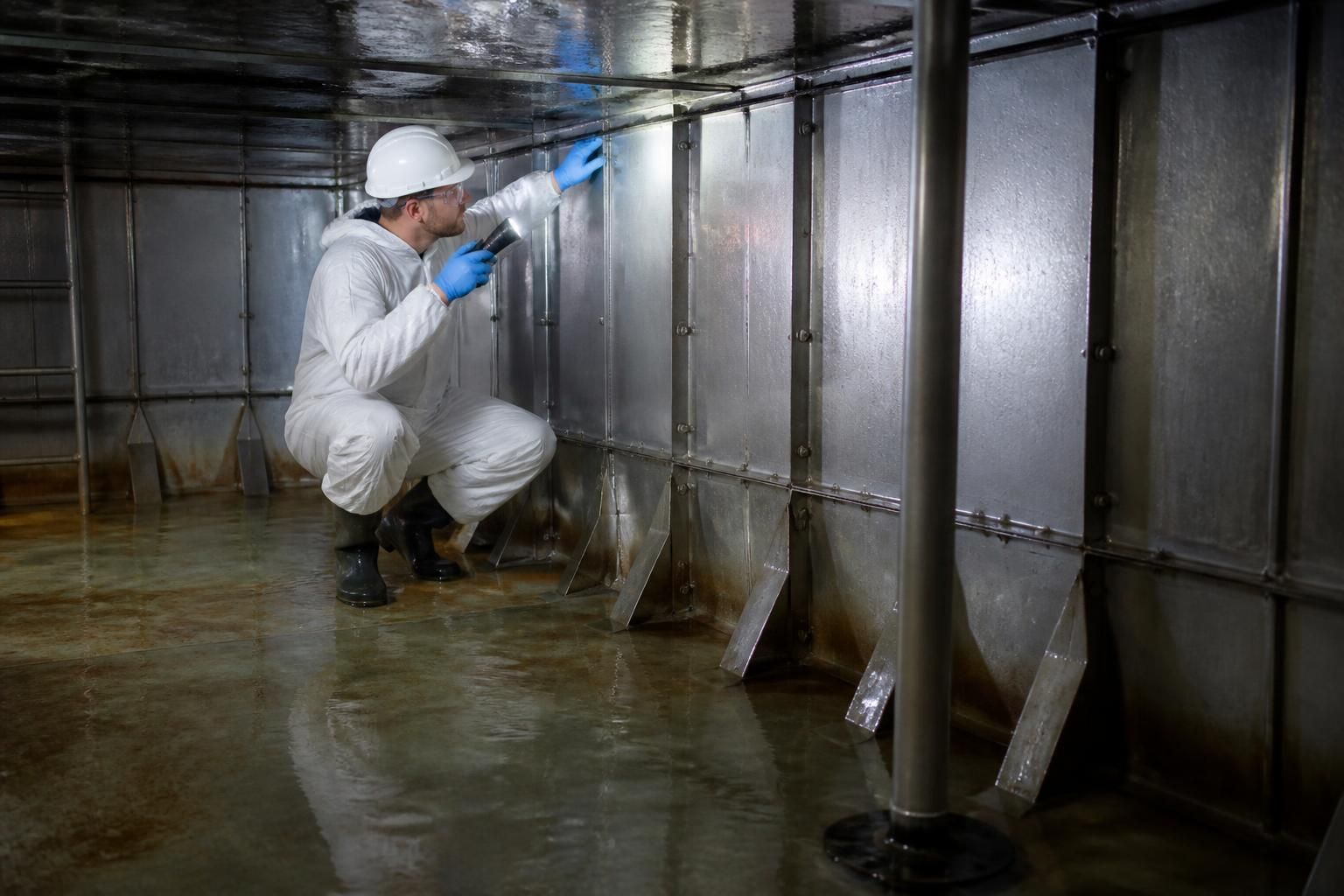
Water tank disinfection is required when the condition of the tank or connected water system presents a confirmed or credible legionella risk that cannot be controlled through routine management alone. The decision should follow a competent assessment of the system, the people exposed, the nature of any contamination and the underlying cause. Disinfection is a control measure, not a substitute for correcting defects that allow bacteria to persist or multiply.
Common circumstances requiring consideration of tank disinfection include:
- Positive legionella results: Laboratory findings indicating legionella contamination may require disinfection, particularly where results are significant, repeated or accompanied by other evidence of poor control. The appropriate response depends on the species or level detected, sampling location, system design and exposure risk.
- Visible contamination or poor tank condition: Sediment, sludge, biofilm, corrosion, scale, damaged surfaces, insects or other debris can provide conditions in which bacteria survive. A tank may need cleaning followed by disinfection where contamination is established.
- Loss of temperature control: Hot water systems that are not being stored, distributed or circulated effectively can create favourable conditions for legionella. Disinfection may be needed alongside repairs, balancing, temperature checks or improvements to circulation.
- Stagnation and low-use areas: Long periods without use, redundant outlets, oversized storage tanks, dead legs and poorly connected sections can allow water to stand. Disinfection may be appropriate after the stagnant water has been removed and the cause of stagnation has been addressed.
- Maintenance, repair or alteration: Work on a tank, pipework, calorifier or associated equipment can introduce contamination or disturb settled material. Disinfection may be required before the system is returned to normal use, depending on the work undertaken and the findings of the risk assessment.
- Suspected or confirmed legionnaires’ disease: Where an illness investigation identifies a possible link with a water system, urgent control measures may include isolating affected outlets, specialist sampling and disinfection. Actions should follow advice from the relevant public health authorities and competent water hygiene specialists.
Routine tank cleaning and disinfection are related but different activities. Cleaning removes sludge, scale, debris and other material from the tank. Disinfection uses an appropriate chemical or thermal process to reduce microbial contamination in the tank and, where necessary, the connected system. Cleaning may be needed before disinfection because organic deposits can shield bacteria and reduce the effectiveness of the treatment.
Disinfection should normally be planned as part of a wider corrective programme. Before treatment, the responsible person or appointed specialist should establish how the system operates, identify vulnerable users and determine which outlets, tanks and pipework are within scope. The source of the problem should then be investigated. For example, disinfecting a storage tank without repairing a faulty float valve, removing unnecessary pipework or restoring adequate circulation may provide only temporary control.
The method depends on the system and the risk. Chemical disinfection may involve introducing a suitable disinfectant at a controlled concentration and allowing sufficient contact time throughout the relevant parts of the system. Thermal disinfection uses elevated water temperatures where the installation is designed and managed to support that approach. Both methods require competent planning, suitable safety controls, protection of users and consideration of materials, discharge arrangements and possible damage to equipment.
During and after the work, affected outlets may need to be taken out of service. Notices, isolation arrangements and checks are important where people could be exposed to hot water, disinfectant or contaminated water. Reinstatement should not take place until the treatment has been completed safely and the system has been flushed or otherwise returned to the required operating condition.
Post-disinfection checks are essential. These may include confirming disinfectant removal where relevant, checking temperatures and circulation, inspecting the tank, reviewing the condition of outlets and taking follow-up water samples when justified by the risk assessment or test findings. Results should be interpreted by a competent person rather than considered in isolation.
The responsible person should retain records of the reason for disinfection, the areas treated, the method used, measurements, safety precautions, defects identified, follow-up actions and any test results. The legionella risk assessment and written control scheme should then be reviewed so that the recurrence risk is addressed through ongoing monitoring, maintenance and system management.
In practice, the need for water tank disinfection is determined by evidence and risk rather than by a fixed calendar interval. A tank that is clean, correctly designed and effectively controlled does not automatically require repeated disinfection simply because a certain period has passed. Conversely, a tank may require urgent treatment when inspection, testing or a change in operating conditions shows that existing controls are no longer reliable.
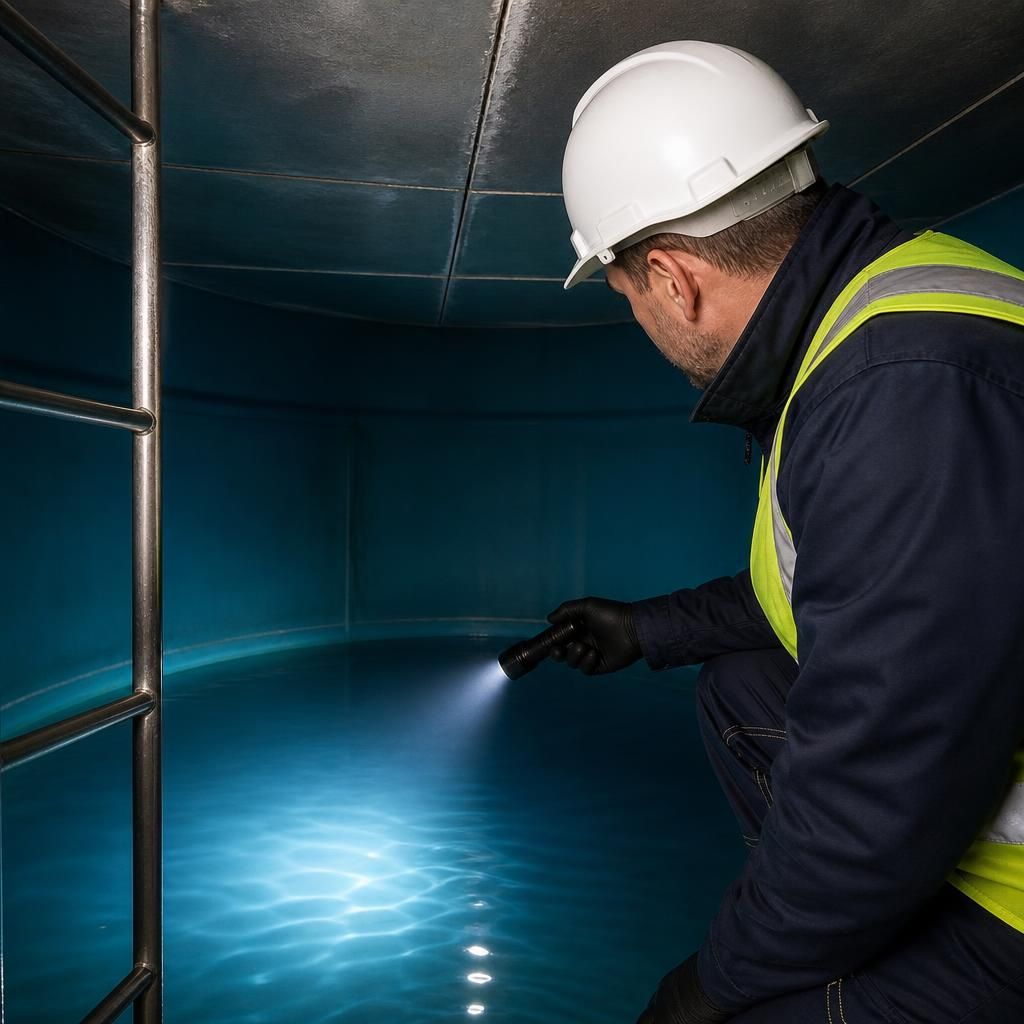
Whether water tank disinfection is required also depends on how the stored water is used. A tank supplying showers, spray taps or other aerosol-generating outlets creates a different exposure pathway from one serving outlets with little potential to produce inhalable droplets. The assessment should therefore consider the tank’s connections, the way water is used and whether people at greater risk of serious infection could be exposed. These factors help determine the appropriate control response and which outlets require particular attention.
Need Advice on Water Tank Disinfection?
If you need to establish whether water tank disinfection is appropriate for your premises, speak to Blue Fish Water Management Ltd about a legionella risk assessment or targeted water hygiene advice. Their specialists can help interpret findings and identify the proportionate next steps for your system.