
Is a commercial legionella risk assessment suitable for every type of workplace?
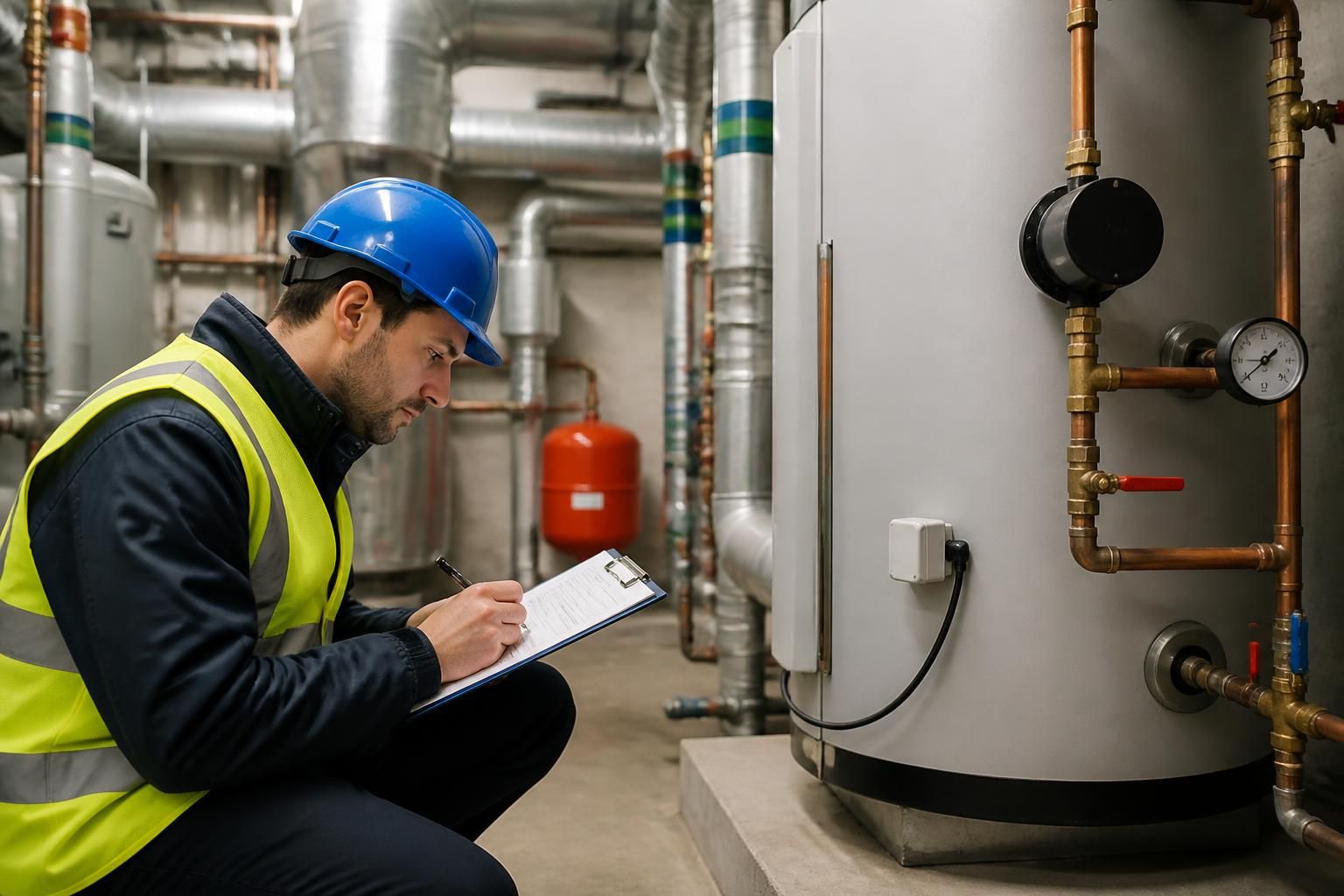
Yes, a commercial legionella risk assessment can be suitable for most workplaces, but the assessment must be proportionate to the water systems, building use and people exposed. The relevant question is not simply what type of business occupies the premises; it is whether conditions exist that could allow Legionella bacteria to multiply and be inhaled through contaminated water droplets or aerosols.
Workplaces commonly requiring assessment include:
- offices and business centres with hot and cold water services, showers or welfare facilities;
- factories, warehouses and distribution sites with washrooms, changing facilities, vehicle washing or process water;
- hotels, restaurants, pubs and other hospitality premises with guest bedrooms, kitchens, showers, spas or decorative water features;
- schools, colleges and training facilities with washrooms, sports facilities, showers and teaching equipment that uses water;
- healthcare, care and supported-living settings, where vulnerable people may be more seriously affected by Legionnaires’ disease;
- retail, leisure and fitness premises with showers, pools, spa systems, cooling equipment or other aerosol-generating uses; and
- multi-tenant buildings where responsibility for communal water systems may be shared between a landlord, managing agent and occupiers.
Some workplaces present a higher or more complex risk than others. Risk can increase where water is stored or recirculated, temperatures are difficult to control, outlets are infrequently used, pipework is extensive, or systems contain tanks, calorifiers, cooling towers, whirlpool baths or other equipment capable of producing aerosols. Poorly maintained systems, dead legs, redundant outlets and periods of low occupancy can also affect the assessment.
The people using the premises also matter. An assessment should consider employees, contractors, visitors, residents, patients, customers and anyone else who may be exposed. Particular care is needed where people are older, immunocompromised or otherwise more susceptible to severe illness. A workplace with a relatively simple water system may therefore need carefully considered controls if vulnerable people use it.
A small office with mains-fed water, limited outlets and no showers or stored water may need a narrower assessment and straightforward control arrangements. This does not mean that its responsibilities can be assumed without review. The assessor should establish how the system is arranged, identify responsible persons, check whether outlets are used regularly and determine whether temperature, maintenance and monitoring arrangements are appropriate.
Large or specialised premises usually require a wider assessment. This may involve reviewing schematic drawings, plant rooms, water storage, temperature controls, inspection records, cleaning and disinfection histories, sampling results, monitoring records and the management of infrequently used outlets. Where several organisations occupy one building, the assessment should also clarify which party controls each part of the system and how information is shared.
A commercial legionella risk assessment is not necessarily a one-off exercise. It should be reviewed when there are changes to the building, occupancy, water services, equipment or management responsibilities, and when monitoring or test results indicate that existing controls may not be effective. Refurbishment, extended closure, a change in use or the installation of new showers and water-fed equipment can all alter the risk profile.
The assessment should produce more than a general statement that Legionella is present or absent. It should identify the systems covered, the hazards found, the people at risk, the control measures required, the person responsible for each action and the records needed to demonstrate ongoing management. Where deficiencies are identified, the findings should be prioritised so that remedial work and operational controls address the relevant risk.
Blue Fish Water Management Ltd can help organisations determine the appropriate scope for their premises through legionella risk assessments, water testing, compliance audits, system monitoring and remedial works. The aim is to match the assessment and control programme to the actual workplace rather than apply the same checklist to every building.
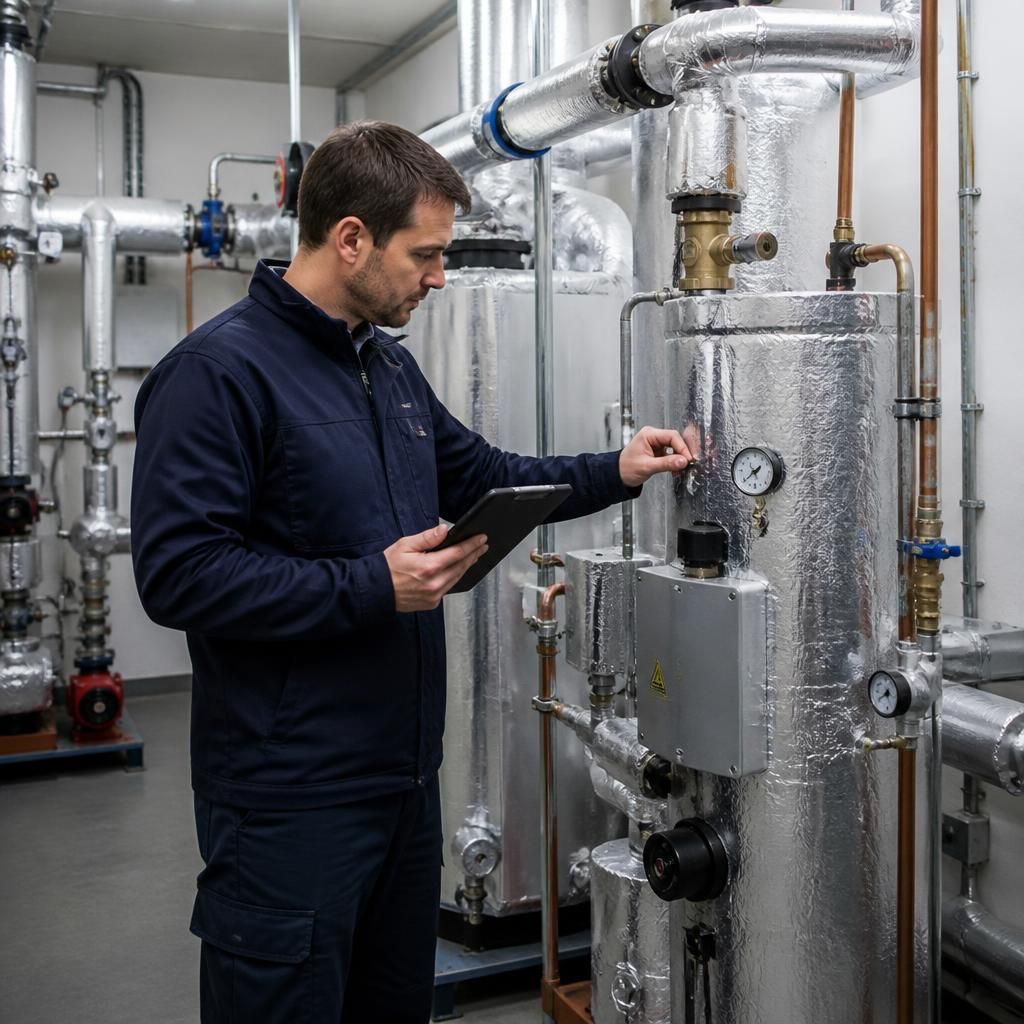
The suitability of a commercial legionella risk assessment depends partly on who controls the water systems, not simply who occupies the workplace. An employer may be responsible for showers, taps and equipment within its leased area, while a landlord or managing agent controls communal tanks, calorifiers and distribution pipework.
Where duties are divided, the assessment should define these interfaces clearly. Each party needs access to relevant system information, monitoring records and maintenance arrangements, with responsibilities recorded for actions such as temperature checks, outlet flushing and remedial work. A tenant should not assume that a landlord’s general assessment covers every water outlet or activity under the tenant’s control.
Discuss the right legionella assessment for your workplace
If you are unsure whether your workplace needs a full commercial legionella risk assessment, speak to Blue Fish Water Management Ltd about the appropriate scope for your premises and water systems.