
How does system condition influence UKAS Legionella testing selection?
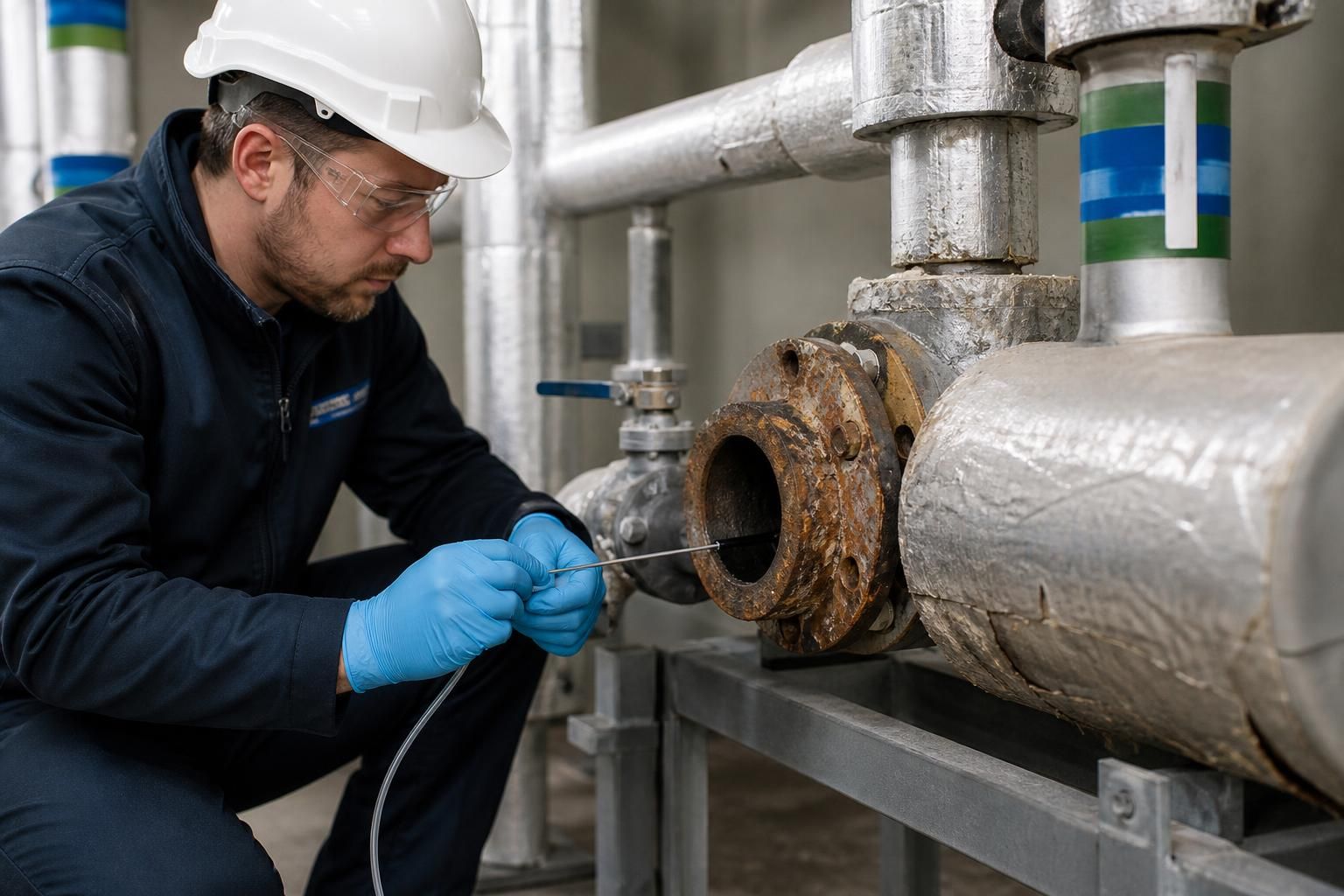
System condition should determine both the extent of Legionella testing and the analytical method used. A well-understood, stable system may require routine sampling at established representative locations, whereas an altered, poorly controlled or poorly documented system may justify broader sampling, additional sample types and closer investigation of the results.
The first consideration is whether the existing sampling plan still represents how the system operates. Changes to building use, occupancy, plant, pipework, outlet configuration or water demand can make an established plan less reliable. A review should check whether the selected points cover the parts of the system most likely to influence exposure, including storage arrangements, return routes, seldom-used outlets and areas supplied by different branches. Samples taken only from convenient or frequently used outlets may not describe the condition of the system as a whole.
System history is also relevant. Repeated unsatisfactory results, unexplained variation between locations or results that do not align with operational records may indicate that the testing approach needs reviewing rather than simply repeating the same samples. The investigation may need to distinguish between a localised issue and a wider system condition. That distinction affects the number and location of samples, the timing of follow-up testing and the evidence required to assess whether corrective work has been effective.
Where the system is undergoing commissioning, alteration or recommissioning, testing should be planned around the stage of work. Sampling before remedial measures can help establish the extent of a problem. Sampling after cleaning, disinfection or other corrective action can provide evidence about the post-intervention condition, provided the timing and operational state are recorded. Results from these stages should not be compared without considering whether the system was being used and managed in the same way when each sample was taken.
Temperature control and water movement remain important when deciding where to sample, but a temperature reading is not a substitute for microbiological testing. Temperature records can help explain a result and identify points requiring attention, while laboratory analysis provides separate evidence about the organism or indicator being tested. The sampling plan should therefore link each laboratory sample to relevant system information, such as the outlet identity, water type, temperature and whether the point was representative of normal use.
The condition of storage and distribution components can affect sample interpretation. A result from a storage vessel, return line or outlet may reflect a different part of the system and should not automatically be treated as interchangeable with a result from another location. Where multiple loops, tanks or buildings are connected, the laboratory request and report should make the sampling hierarchy clear. This helps the responsible person assess whether action is needed locally, across a particular loop or throughout the wider system.
The choice of analytical approach should match the question being asked. Culture-based testing can provide evidence of viable Legionella recovered under the conditions of the method and is commonly used where a quantitative result is required for management decisions. Molecular methods, where included within the testing laboratory’s UKAS-accredited scope, can detect genetic material and may be useful in particular investigations, but their results require appropriate interpretation because detection of DNA does not necessarily demonstrate that organisms are viable. The selected method, its accredited scope and its limitations should be confirmed before samples are submitted.
Sampling quality is especially important when a system is in poor condition or the result may lead to significant remedial work. The organisation arranging the test should confirm:
- which system, loop, vessel or outlet each sample represents;
- whether the sample is intended to reflect routine use or a specific investigative purpose;
- the water type and collection point;
- the date and relevant operational conditions at the time of collection;
- the requested test method and the laboratory’s accredited scope; and
- how results will be reviewed alongside the current risk assessment and maintenance records.
Unusual results should be interpreted in context rather than in isolation. A single result may prompt checks on sampling technique, outlet identity, recent maintenance and system operation before the next decision is made. Conversely, a series of results from different representative locations may provide stronger evidence of a persistent or distributed issue. The condition of the system determines how much supporting evidence is needed to make that distinction.
For B2B estates with several buildings or system types, a single uniform testing schedule may not be appropriate. Each system should be grouped according to its design, use, operational history and current condition. This produces a more defensible selection of sample locations and methods than applying an identical set of samples to every property. It also makes the resulting records easier to relate to responsible persons, maintenance teams and compliance audits.
A UKAS Legionella testing report should therefore be reviewed for more than the headline result. It should identify the method used, the sample information, the laboratory’s relevant accreditation scope and any qualifications affecting interpretation. The report can then be considered with inspection findings, control records and the risk assessment to decide whether routine monitoring remains suitable or whether further investigation and remedial action are required.
In practice, system condition influences testing selection by defining the level of confidence that can be placed in existing sampling arrangements. The most appropriate approach is one that reflects the system’s design and use, tests points that answer a clear management question, uses a method suitable for that question and records enough context for the result to support a proportionate compliance decision.
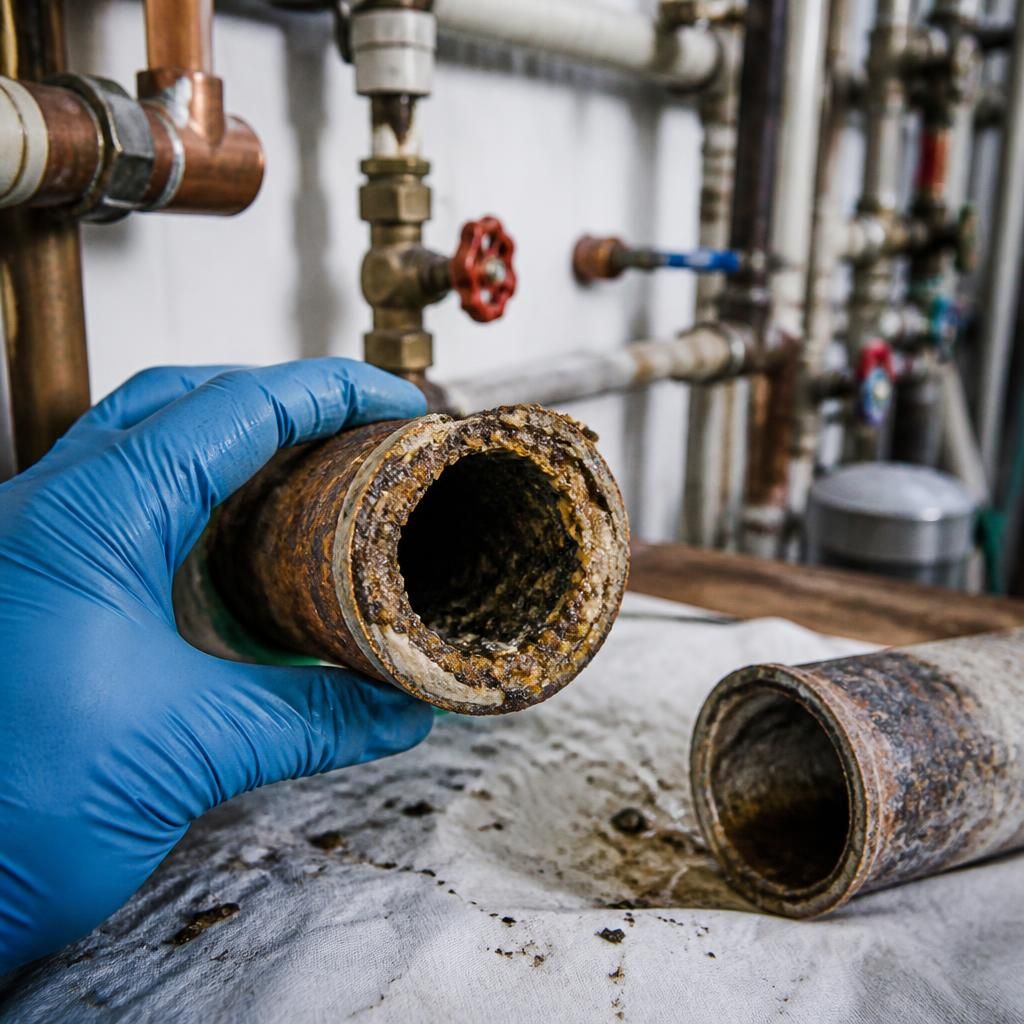
Where a system has visible deposits, sediment or established biofilm, the condition of the pipework can influence what a water sample represents. Legionella may not be distributed evenly through the system, so a single sample of flowing water provides only a snapshot of conditions at that point and time. A negative result should therefore be considered alongside inspection findings and the reason the sample was taken.
In these circumstances, the testing selection may need to address a specific material or location rather than relying solely on routine outlet sampling. Any water, swab or deposit sample should be agreed with the laboratory in advance, including the matrix to be tested, the analytical method and whether that work falls within the laboratory’s UKAS-accredited scope. This prevents a result from being treated as evidence about a system component that the chosen sample and method were not designed to assess.
Discuss your system condition and UKAS Legionella testing needs
Discuss your system’s condition, testing objectives and existing records with Blue Fish Water Management Ltd to identify an appropriate UKAS Legionella testing approach. This can help establish whether your current sampling arrangements remain suitable or require review.