
When is potable water chlorination required?
Potable water chlorination is required when a risk assessment identifies a risk of microbial contamination that cannot be controlled through normal management, including during commissioning, after significant alterations, or following contamination incidents. The treatment should be based on the water system’s condition, intended use and relevant health and safety duties, with testing used to verify that disinfection has been effective.
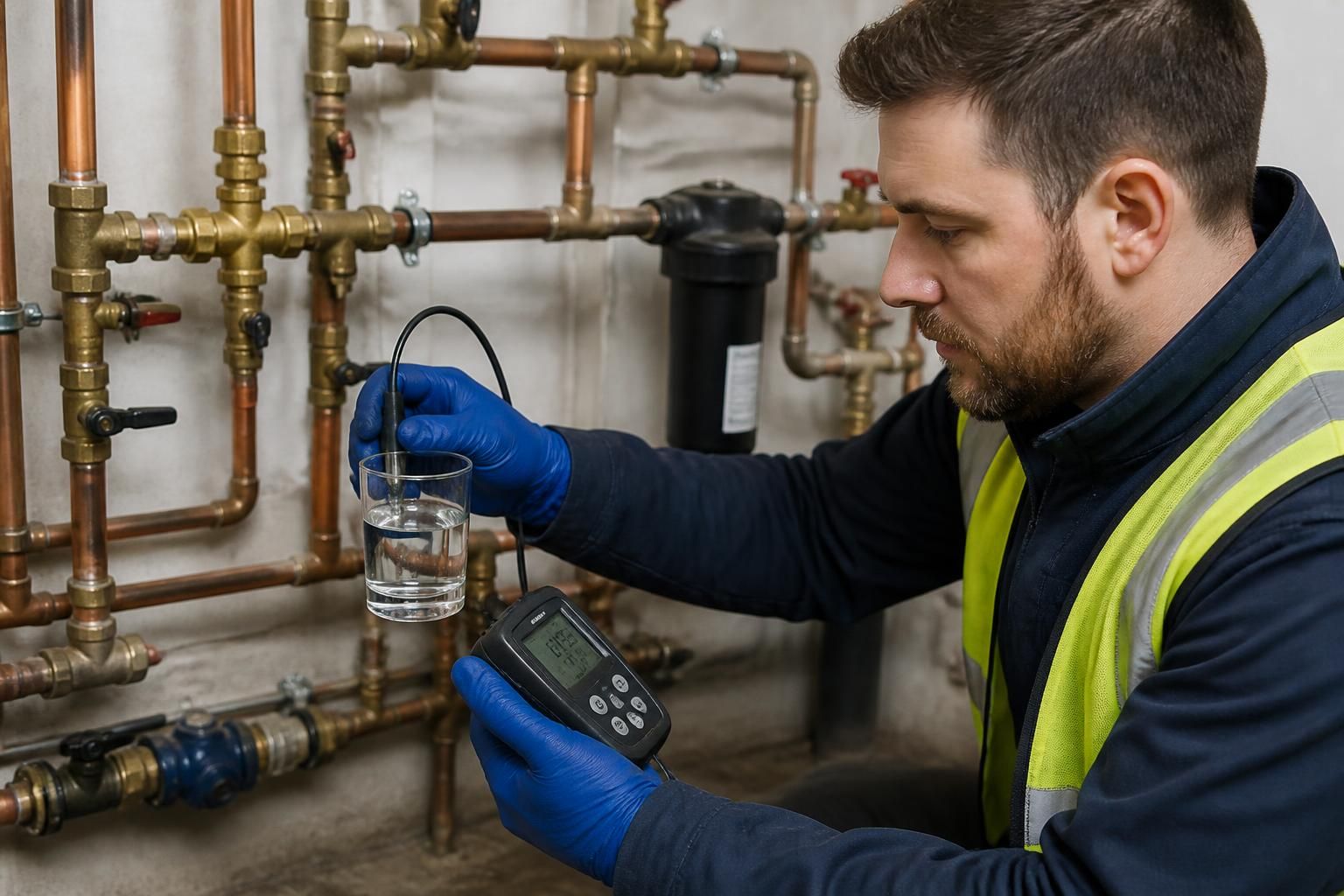
Potable water chlorination is required where drinking-water pipework, storage or associated equipment needs controlled disinfection to make it suitable for use, and where flushing or routine monitoring alone cannot demonstrate adequate microbiological control. In the UK, the decision should follow a documented assessment of the system, the source of the water, the work carried out and the likely route by which contamination could occur.
Chlorination is commonly considered in the following situations:
- New installations before occupation or use: Newly installed mains, internal distribution pipework, tanks and outlets may contain construction debris, dirt or microorganisms introduced during manufacture, storage or installation. Disinfection before the system is brought into service helps prevent contaminated water entering the building’s supply.
- Extensions and alterations: New branches, replacement sections, refurbished plant rooms and changes to storage arrangements can introduce contamination or create parts of the system that have not previously been disinfected. The treatment may apply to the altered section or to the wider system, depending on how it connects and whether isolation is reliable.
- Repairs to buried or exposed pipework: Opening a water main, service pipe or internal distribution system can allow soil, surface water or handling-related contamination to enter. The required response depends on the nature of the repair, the cleanliness of the work and whether the affected section can be separately isolated.
- Loss of system integrity: Backflow, a defective air gap, a cross-connection or an interruption that allows non-potable water into the wholesome supply may justify disinfection. Chlorination does not remove every hazard, so the cause must also be corrected and the affected parts assessed before returning them to use.
- Suspected waterborne contamination: Unusual taste, odour, appearance or microbiological results can trigger investigation and, where appropriate, controlled disinfection. The source of the problem should be established rather than relying on chlorination to conceal a continuing fault.
- Private water supplies and storage systems: Wells, boreholes, springs, treatment plants and private distribution networks may require disinfection when their source or equipment presents a microbiological risk. The requirements can differ from those for water supplied by a water company, so the relevant local authority and technical guidance should be considered.
Chlorination can also be appropriate after a prolonged shutdown where water has remained static in tanks or pipework. Stagnation does not automatically mean that the system must be chlorinated, but it can increase the opportunity for microbial growth, particularly where temperatures, storage conditions or cleanliness are poorly controlled. A risk-based decision should consider the duration of the shutdown, the condition of the system, the volume of stagnant water and whether vulnerable users may be exposed.
Not every water-quality concern calls for chlorination. Chemical contamination, elevated metals, scale, sediment, incorrect temperatures and defective materials require different controls. Chlorination may be ineffective against the underlying cause and can create additional issues if the dose, contact time or neutralisation arrangements are poorly controlled. Where contamination may affect public health, the water supplier, local authority or other relevant regulator should be consulted before treatment is undertaken.
The decision should take account of several practical factors:
- the type and extent of the system, including tanks, calorifiers, booster sets and dead legs;
- whether the affected pipework can be isolated without compromising other users;
- the condition, cleanliness and accessibility of internal surfaces;
- the water source and any treatment already in place;
- the intended use, including drinking, food preparation, healthcare or other sensitive applications;
- the presence of people who may be more susceptible to infection; and
- the effect of treatment on materials, equipment and the wider water system.
For work on systems connected to a public supply, the applicable water fittings requirements and the water supplier’s conditions should be checked. Technical standards and guidance, including BS 8558 where relevant, can help define suitable design, installation, cleaning and disinfection practices. Duties under health and safety legislation and, where applicable, the control of legionella should also be reflected in the site’s water safety arrangements. These obligations do not mean that routine chlorination is necessary for every building; they require risks to be identified and controlled using suitable measures.
Before treatment, the responsible organisation should define the affected areas, isolate outlets where necessary, protect users from exposure and establish how chlorinated water will be discharged or neutralised. The system should then be flushed and assessed against the agreed acceptance criteria before it is returned to normal use. Records should identify the reason for treatment, the sections included, the method used, any restrictions applied and the evidence supporting release.
A competent water hygiene specialist can help determine whether chlorination is proportionate, select a suitable method and coordinate sampling with the responsible person, facilities team, contractor and, where necessary, the water supplier or regulator. The central principle is that chlorination should be a controlled response to a defined microbiological risk, not a substitute for sound design, hygienic working practices, maintenance and ongoing water safety management.
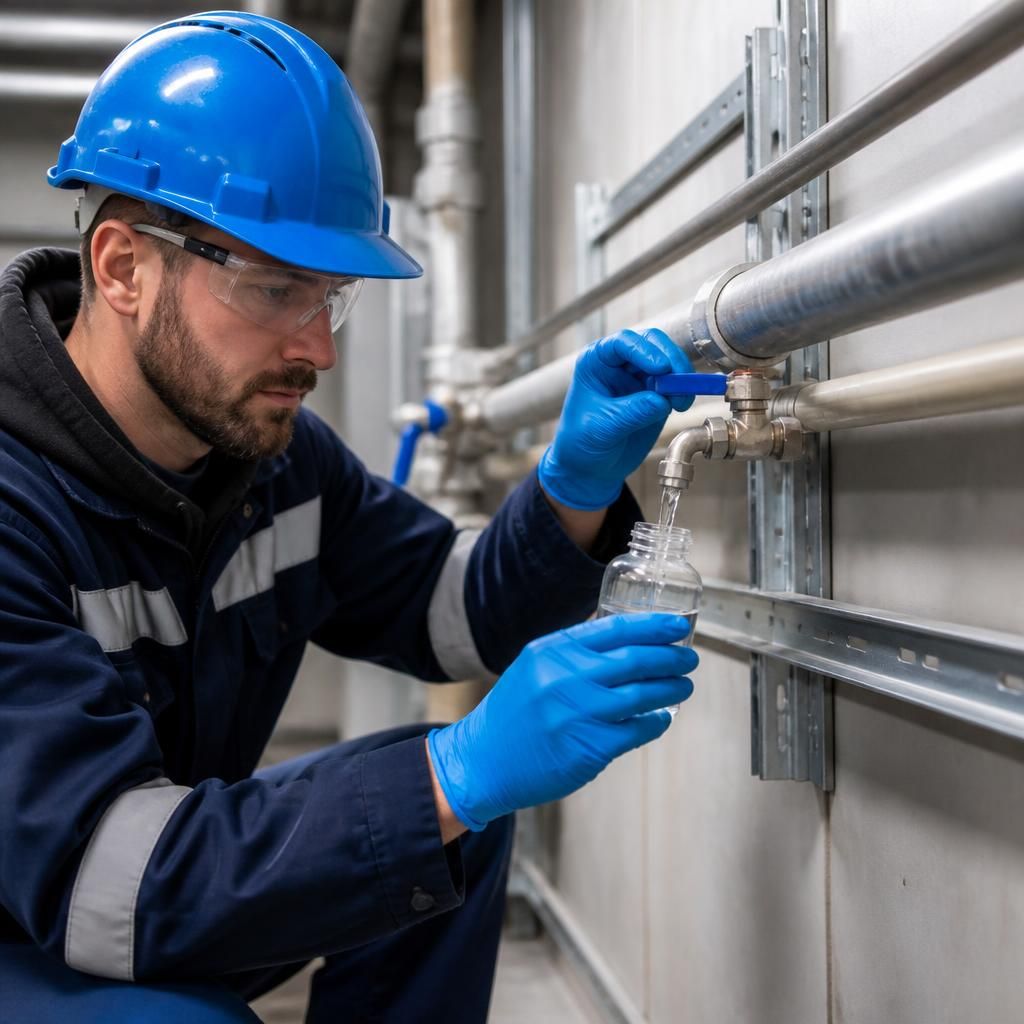
Potable water chlorination is generally required only after the system has been made physically clean and a microbiological risk remains, or where disinfection is necessary before the supply is put into use. Cleaning removes dirt, sediment and organic material that can protect microorganisms; chlorination then provides controlled chemical disinfection. Applying chlorine to a visibly dirty or poorly maintained system is not a substitute for correcting those conditions.
This distinction is important when deciding whether treatment is proportionate. If hygienic working practices, flushing and routine controls adequately manage the risk, chlorination may not be necessary. Where those measures cannot provide sufficient assurance, a defined disinfection procedure, followed by suitable sampling and documented release criteria, is appropriate.
Discuss when potable water chlorination is required
If you are unsure whether your water system requires potable water chlorination, arrange a professional review of the relevant risks, system history and proposed treatment scope with Blue Fish Water Management Ltd.