
What does HSG274 add to ACOP L8 guidance?
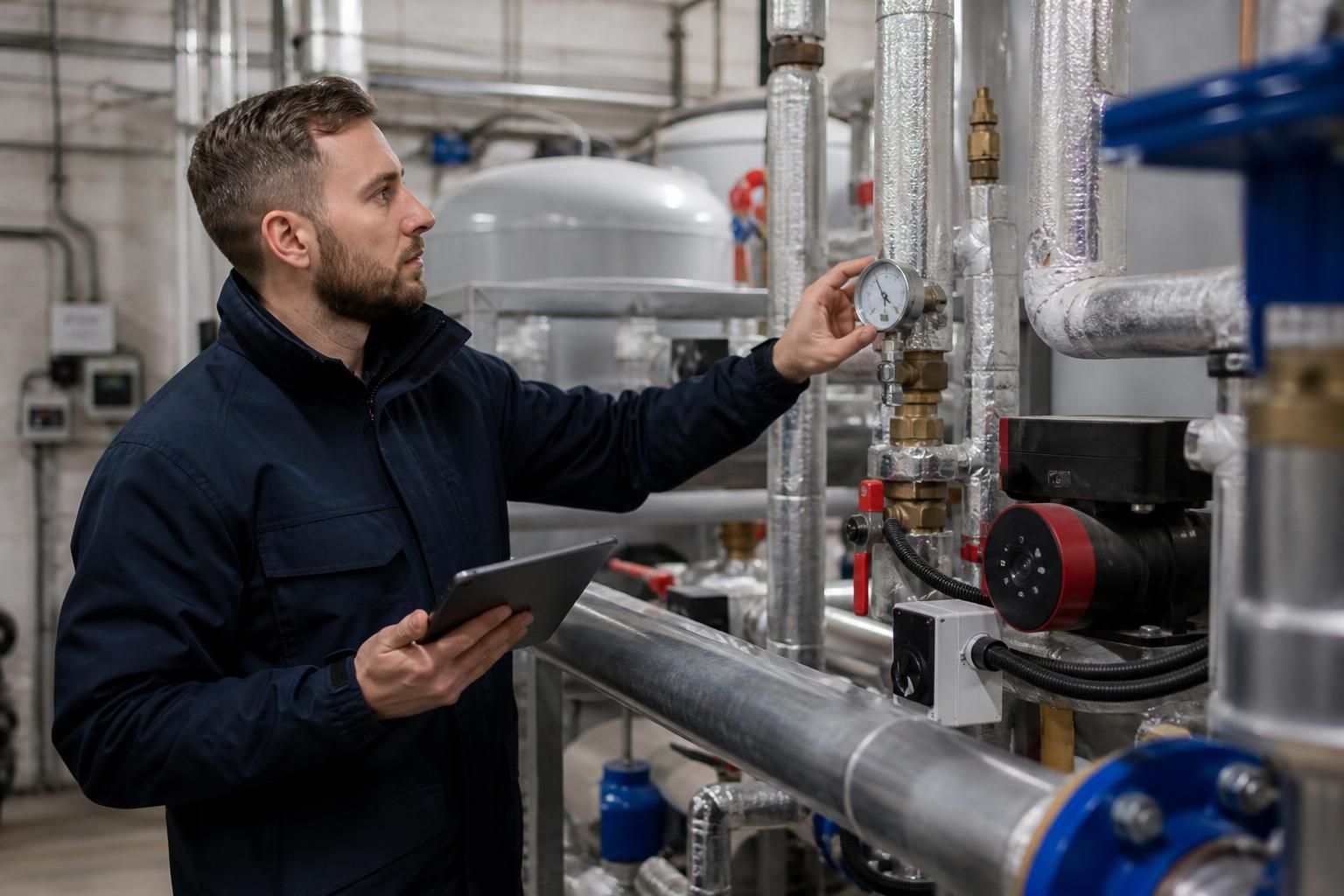
HSG274 adds the technical detail needed to apply the broader duties in ACOP L8. ACOP L8 explains what dutyholders must manage, while HSG274 describes suitable methods for assessing and controlling legionella risks in particular types of water system. Used together, they provide both the management framework and the practical engineering guidance for a defensible control programme.
ACOP L8 sets the overall standard. It places duties on those responsible for premises and water systems to identify and assess legionella risks, appoint competent assistance where necessary, implement suitable control measures and keep appropriate records. It also addresses the management arrangements needed to maintain control, including responsibility, competence, monitoring and review.
HSG274 develops these requirements by explaining how the risks commonly arise in different systems and what control measures may be appropriate. Its guidance is divided into three technical areas:
- evaporative cooling systems, such as cooling towers and evaporative condensers;
- hot and cold water systems, including storage, distribution and outlets; and
- other risk systems, covering equipment and processes that may create exposure to contaminated water droplets or aerosols.
This system-specific structure is important because legionella risk does not arise in exactly the same way in every installation. A domestic hot and cold water system, an evaporative cooling system and a spa pool require different assessments, monitoring arrangements and control measures. HSG274 helps the competent person translate general L8 duties into controls that match the design, use and condition of the system.
It provides practical guidance on control methods. Depending on the system, HSG274 addresses matters such as temperature management, preventing stagnation, removing redundant pipework, maintaining tanks and calorifiers, managing outlets, cleaning and disinfection, sampling, inspection and monitoring. It also discusses the circumstances in which additional investigation or remedial work may be appropriate.
For example, in a hot and cold water system, the guidance can inform decisions about which temperatures to monitor, where monitoring points should be located, how outlets should be managed and how infrequently used parts of the system should be controlled. For evaporative systems, it supports decisions about water treatment, inspection, cleaning, microbiological monitoring and the management of aerosol-producing equipment. The precise measures still need to reflect the actual installation and the findings of its risk assessment.
HSG274 is guidance rather than a separate set of statutory duties. ACOP L8 has a particular legal status because it sets out accepted ways of complying with relevant health and safety law. Following the ACOP is not the only possible route to compliance, but a dutyholder who departs from it may need to demonstrate that an alternative approach provides an equivalent or better level of health and safety control. HSG274 is not a substitute for professional judgement, but it is an important reference when selecting and justifying that approach.
Neither document removes the need for a site-specific legionella risk assessment. HSG274 should not be treated as a universal checklist or as permission to apply identical control limits to every building. The assessment should consider factors including:
- the design and purpose of the water system;
- the condition, age and complexity of the installation;
- areas of low or intermittent use;
- water temperatures and opportunities for stagnation;
- maintenance, cleaning and disinfection arrangements;
- the people who may be exposed; and
- any changes to occupancy, equipment, use or system operation.
The guidance also helps define what evidence should be retained. Records may include monitoring results, inspection findings, cleaning and disinfection certificates, sampling reports, remedial actions, training records and details of any control failures. Keeping this information allows the dutyholder to demonstrate that the written control scheme is being implemented rather than existing only as a document.
Where monitoring shows that control measures are not working, HSG274 can support the investigation and corrective process. This may involve checking the reliability and position of monitoring points, examining dead legs or poorly used outlets, reviewing maintenance activities, carrying out targeted sampling or arranging cleaning and disinfection. Any departure from recommended practice should be recorded with the reason, the alternative control adopted and the evidence used to support it.
In practical terms, ACOP L8 answers the question of what must be managed, while HSG274 helps answer how the risks can be managed in a particular system. A competent assessment should therefore refer to both, alongside the system's design information, operating procedures and inspection history. Blue Fish Water Management can use this framework when carrying out legionella risk assessments, compliance audits, monitoring and remedial planning, helping organisations relate technical findings to their wider L8 responsibilities.

HSG274 is also useful when a water system is altered, extended or brought back into use. Reviewing the relevant guidance during design and change control can identify features that may increase legionella risk before they become established, such as new low-use branches, altered storage arrangements or changes to outlet use. This allows the responsible organisation to consider the control implications of a proposed change, update its risk assessment and revise operating arrangements before the modified system is put into routine service.
Get advice on applying HSG274 to your water system
If you need to establish how HSG274 applies to your premises, Blue Fish Water Management can help interpret the relevant guidance and identify any areas requiring further review. Contact the team to discuss your water system and the appropriate next step.