
Which water systems are covered by ACOP L8?
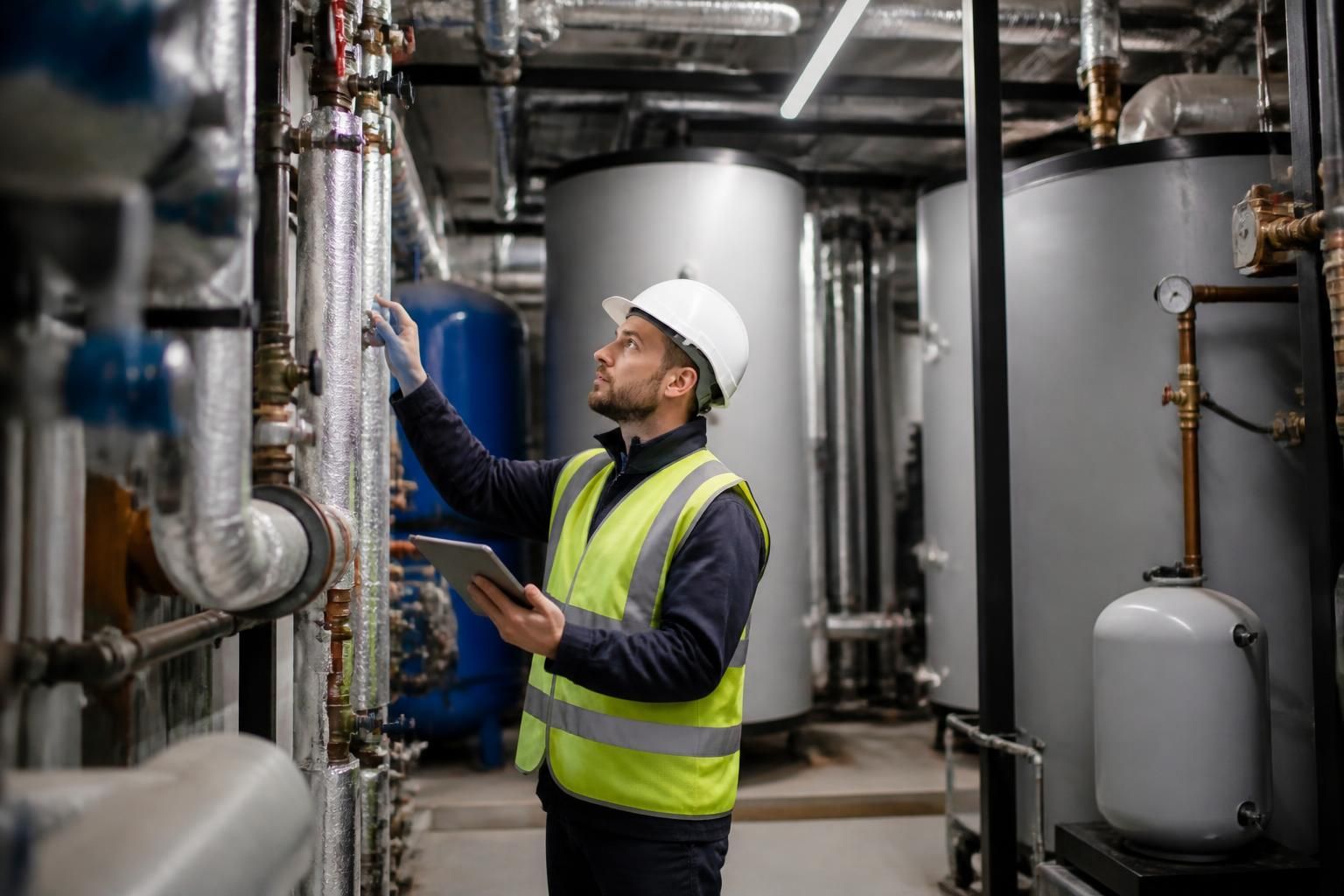
The scope of ACOP L8 is determined by whether a water system at work, or in premises under a dutyholder’s control, could create a foreseeable risk of exposure to Legionella. It is not limited to one type of building or installation. The assessment should consider how water is stored, heated, circulated, used and released into the air.
Relevant systems commonly include:
- Domestic hot and cold water services: storage tanks, calorifiers, hot-water cylinders, distribution pipework, taps, showers and other outlets. Both hot and cold services need consideration where water can stagnate, warm up or become contaminated.
- Cooling systems: cooling towers, evaporative condensers and associated circuits, pumps, dosing equipment and pipework. These systems receive particular attention because they can generate and disperse fine aerosols over an area.
- Water-based leisure facilities: spa baths, hot tubs, whirlpool baths, hydrotherapy pools and similar installations where warm, agitated water can produce aerosols.
- Other aerosol-generating equipment: humidifiers, air washers, spray humidification equipment, misting systems, certain process plant and equipment that uses pressurised or sprayed water.
- Specialist or healthcare-related outlets: dental units, assisted-bathing equipment, emergency showers and other devices where water may remain stagnant or be dispersed during use.
- Alternative and reclaimed water systems: rainwater harvesting, greywater and process-water systems should be considered where they are stored, circulated or used in a way that could expose people to contaminated droplets.
Coverage applies to the complete installation, not simply to the visible outlet. A risk review may therefore need to include tanks, calorifiers, pumps, valves, strainers, flexible hoses, dead legs, redundant branches, thermostatic mixing valves, control devices and return circuits. Equipment that is infrequently used can be particularly relevant because stagnation may allow conditions to deteriorate between uses.
Not every water system presents the same level of risk. A mains-fed drinking-water outlet with regular turnover may require less intensive control than a large stored-water system, while a low-use shower or little-used branch may need closer attention despite being part of a smaller installation. Systems with favourable conditions for bacterial growth, including lukewarm water, storage, poor circulation, sediment or biofilm, require proportionate controls. The potential for aerosol generation and the vulnerability of exposed people are also important.
Some installations are not normally a significant Legionella risk in their ordinary operation. Examples may include sealed heating circuits or systems that neither store water in relevant conditions nor produce aerosols. However, they should not be excluded solely by system name. Design changes, maintenance activities, temporary connections, filling arrangements or faults can alter the risk. A competent person should record the reasoning behind any decision that a system does not require routine control under the site’s legionella arrangements.
The premises covered can include offices, factories, warehouses, hotels, care settings, healthcare premises, schools, leisure facilities, residential accommodation managed as part of a work activity and public or commercial buildings. The duty falls on the person or organisation with responsibility for premises, water systems or maintenance arrangements. Where several parties share control, responsibilities should be allocated clearly rather than assumed.
ACOP L8 is therefore applied through a risk-based assessment rather than a universal checklist. The assessment should identify every relevant water system, describe how it operates, identify people who could be exposed, consider existing precautions and set out any further measures required. It should also account for unusual operating conditions, seasonal use, vacant areas, refurbishment, changes in occupancy and work that may disturb contaminated water or create aerosols.
Typical control measures may include maintaining suitable temperatures, preventing stagnation, removing redundant pipework, flushing infrequently used outlets, cleaning and disinfecting relevant equipment, monitoring key parameters and keeping accurate records. Cooling systems and other higher-risk installations may require additional technical controls, inspection and sampling appropriate to their design.
The supporting HSG274 guidance helps dutyholders apply these principles to different system types. It should be used alongside the site-specific risk assessment, because the correct control regime depends on the installation’s configuration, operating pattern and users rather than on a generic classification alone.
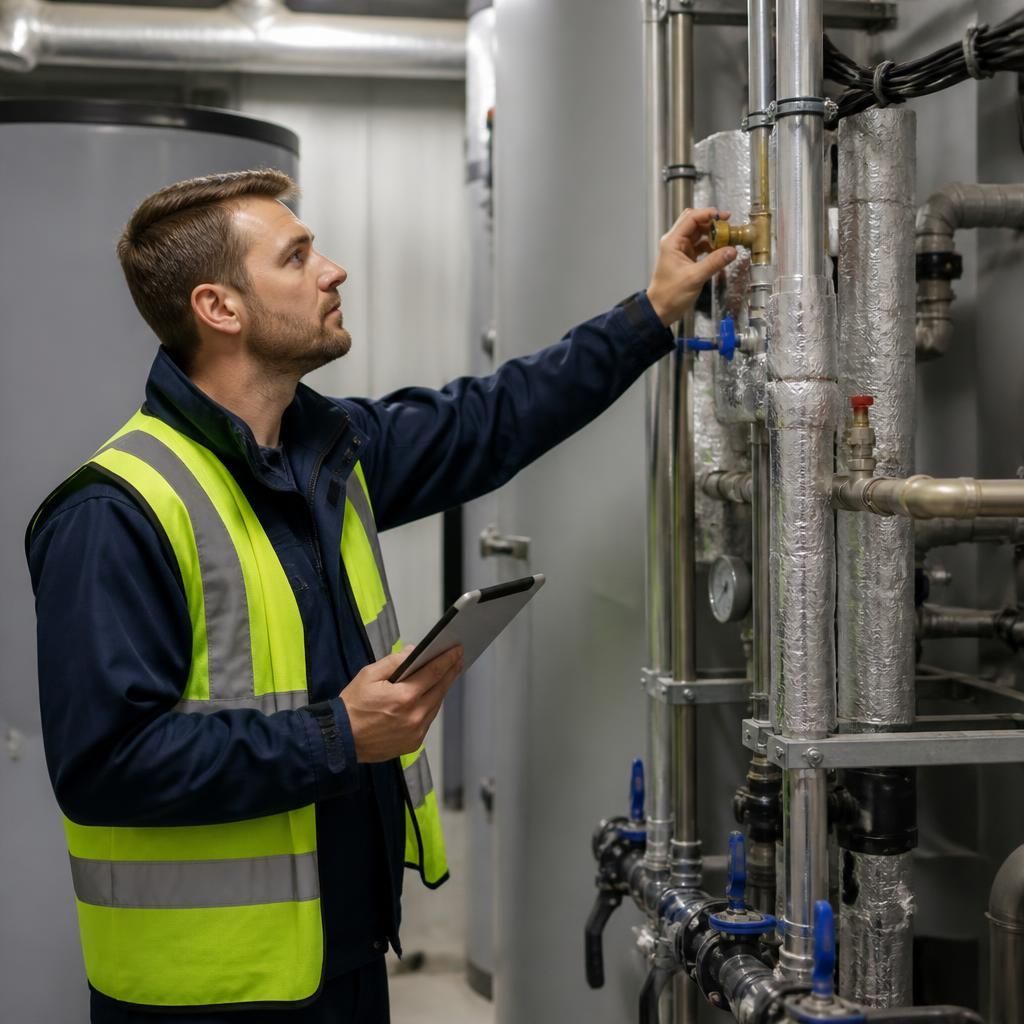
ACOP L8 considers not only the water system itself, but also who could be exposed to it. The relevant population may include employees, contractors, residents, visitors, patients, pupils and members of the public, depending on the premises and how the system is used.
This matters where a system serves people who may be particularly susceptible to infection or less able to recognise and report a problem. Care homes, hospitals, sheltered accommodation and similar settings may therefore require closer consideration than an otherwise comparable installation in a low-occupancy workplace. The assessment should record the groups exposed, how exposure could occur and whether the existing controls are suitable for the people using the premises.
Get Advice on ACOP L8 System Coverage
If you are unsure whether your premises’ water systems fall within ACOP L8, seek a competent review of the installation and its operating conditions. Blue Fish Water Management Ltd can provide practical advice and legionella risk assessment support to help establish the appropriate control arrangements.